As part of the agreement, Blackstone may receive regulatory and commercial milestone payments, plus royalties on net sales.
Like Impella, Vitalyst is a pump that provides temporary mechanical circulatory support. Vitalyst features a magnetically driven impeller, potentially lowering the risk of vascular complications, and a catheter and motor design intended to improve positional stability and reduce hemolysis, or the destruction of red blood cells. Device migration, hemolysis and vascular complications are among the limitations of current mechanical circulatory support devices.
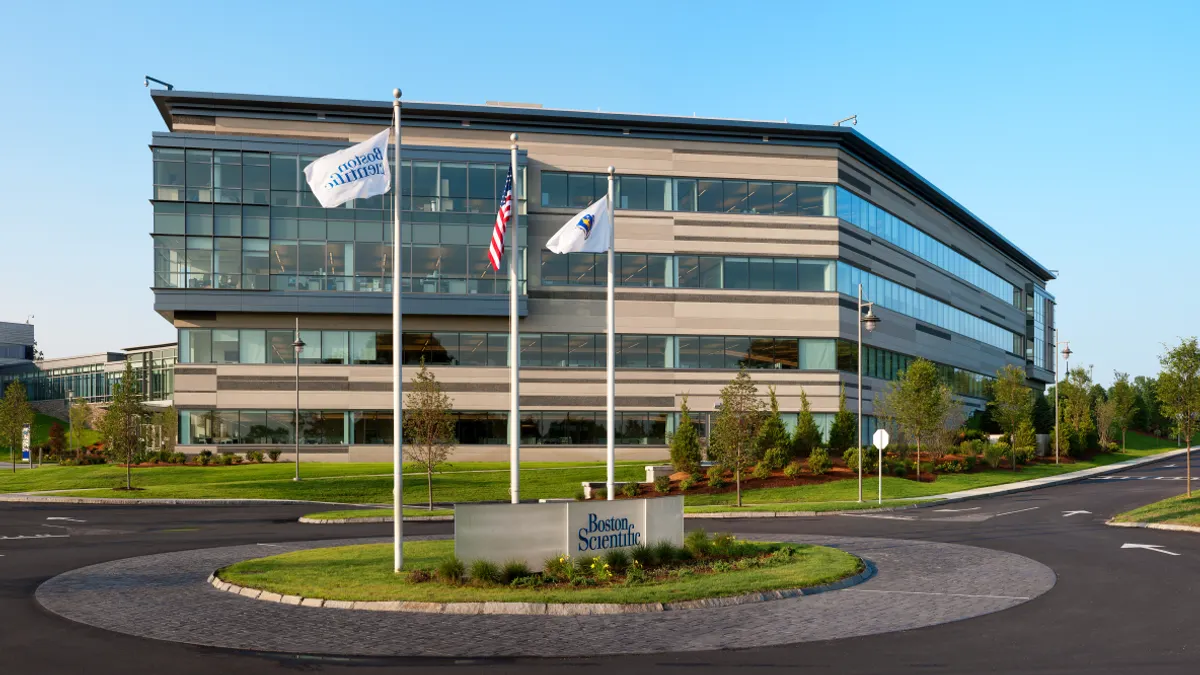
At a Bernstein event in May 2025, Boston Scientific CEO Mike Mahoney called Vitalyst “the largest investment we have in the company.” After taking the device to the cusp of a key study, the company has opted against funding the program without external support.
Blackstone will co-fund development and receive up to 2.5 times the amount it provides via milestone payments, plus royalties. Boston Scientific expects to start making payments to Blackstone in 2030, CFO Jonathan Monson said on a third-quarter earnings call last week.
Until recently, Boston Scientific planned to test Vitalyst in high-risk percutaneous coronary intervention patients. The Food and Drug Administration recently approved a Vitalyst PCI study. However, Boston Scientific shifted its focus to AMI cardiogenic shock in response to “the evolving clinical evidence in this space,” Mahoney said on the earnings call.
The shift in focus followed data from a competitor that “called into question the broad use of mechanical circulatory support for high-risk PCI,” Kenneth Stein, global chief medical officer at Boston Scientific, said on the call.
Source link