This article has been reviewed according to Science X's editorial process and policies. Editors have highlighted the following attributes while ensuring the content's credibility:
The human doctor and the artificial intelligence (AI) tool they are using more and more frequently are not always going to agree.
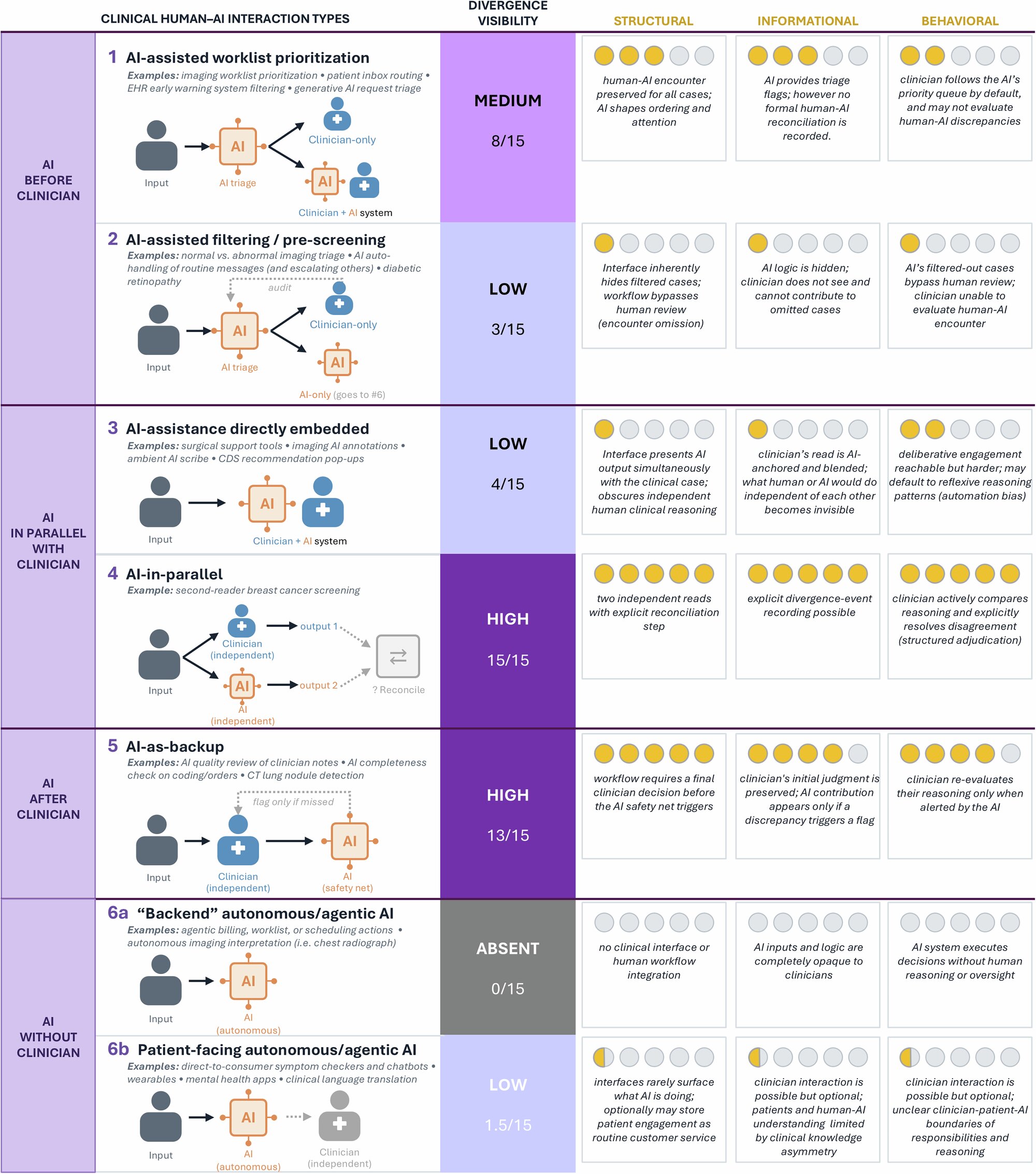
Carefully setting up a process of parallel assessments starting from the very beginning of data collection is the way to make the most of both human and machine when diagnosis and prognosis do not completely align, according to a new paper in the journal npj Digital Medicine.
"Realizing the value of the divergence event in clinical human-AI interaction" assesses how best to reconcile the two "experts." The lead author is Charles E. Binkley, M.D., FACS, HEC-C, the director of AI ethics and quality for Hackensack Meridian Health, as well as professor of surgery and chair of the Faculty Assembly for the Hackensack Meridian School of Medicine.
"Clinicians are told to be the 'human in the loop' but are typically given no method for doing so beyond 'exercising their judgment,'" write the authors. "Efforts to make AI output both more technically explainable and human interpretable have not directly correlated with improved clinical decisions and have sometimes created false confidence in incorrect AI output."
The disagreements should instead be called "divergence events," since there are nuanced differences between what the human and the machine are assessing, according to the authors.
For instance, the physician actually speaking to the patient "brings a dynamic bedside gestalt" from seeing the patient "in person" and speaking to family members.
Source link