This article has been reviewed according to Science X's editorial process and policies. Editors have highlighted the following attributes while ensuring the content's credibility:
The COVID-19 pandemic and its associated measures caused significant stress across all levels of society, negatively impacting physical and mental health. The biological consequences of this stress have not yet been explored. Researchers found impacts at the epigenetic level, especially among adolescents. The study is published in the journal Proceedings of the National Academy of Sciences.
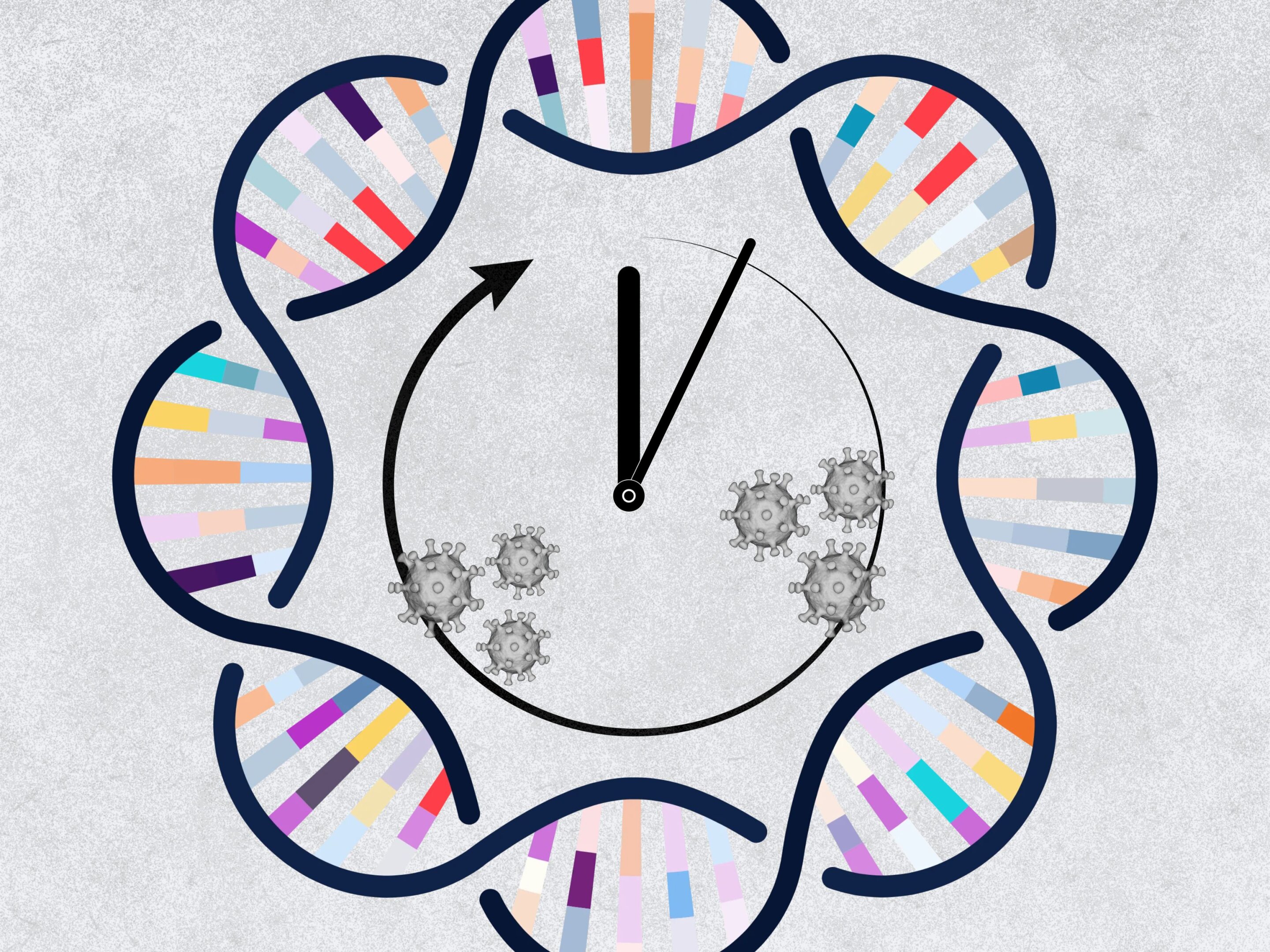
Led by postdoctoral researcher Alicia Schowe at the Max Planck Institute of Psychiatry in Munich, an interdisciplinary collaboration between four German universities (Bielefeld, Bonn, Bremen, Saarland) investigated the biological correlates of pandemic-related stress using epigenetic clocks. These clocks measure age-related changes in DNA methylation, a chemical process along the DNA strand that regulates gene activity, and compare these changes to the pace of change that would be expected for someone's chronological age. An increased pace of DNA methylation change in these epigenetic clocks has been linked to a higher long-term risk of developing diseases such as cancer or type 2 diabetes.
The team used data from the ongoing TwinLife Epigenetic Change Satellite (TECS) project. This project recruited just over 1,000 participants in Germany, including children aged 8 to 10, adolescents aged 14 to 16 and adults aged 20 to 29.
The researchers collected saliva DNA samples from the participants once before the first COVID-19 lockdown in March 2020 and once after the second lockdown, from winter 2021 to spring 2022.
Source link