This article has been reviewed according to Science X's editorial process and policies. Editors have highlighted the following attributes while ensuring the content's credibility:
Researchers at the University of Manchester and Manchester University NHS Foundation Trust have uncovered a hidden defect in the tiny blood vessels of women with preeclampsia, a dangerous and common pregnancy complication that can threaten the lives of both mother and baby.
The study, published in Circulation Research, sheds new light on why blood pressure rises so dramatically in the condition and could point toward entirely new ways of treating it.
Preeclampsia affects between 2% and 8% of pregnancies worldwide and is linked to serious complications including stroke, organ damage, premature birth and stillbirth. At present, there is no cure other than delivering the baby and placenta, often forcing doctors to end pregnancies early to protect the mother.
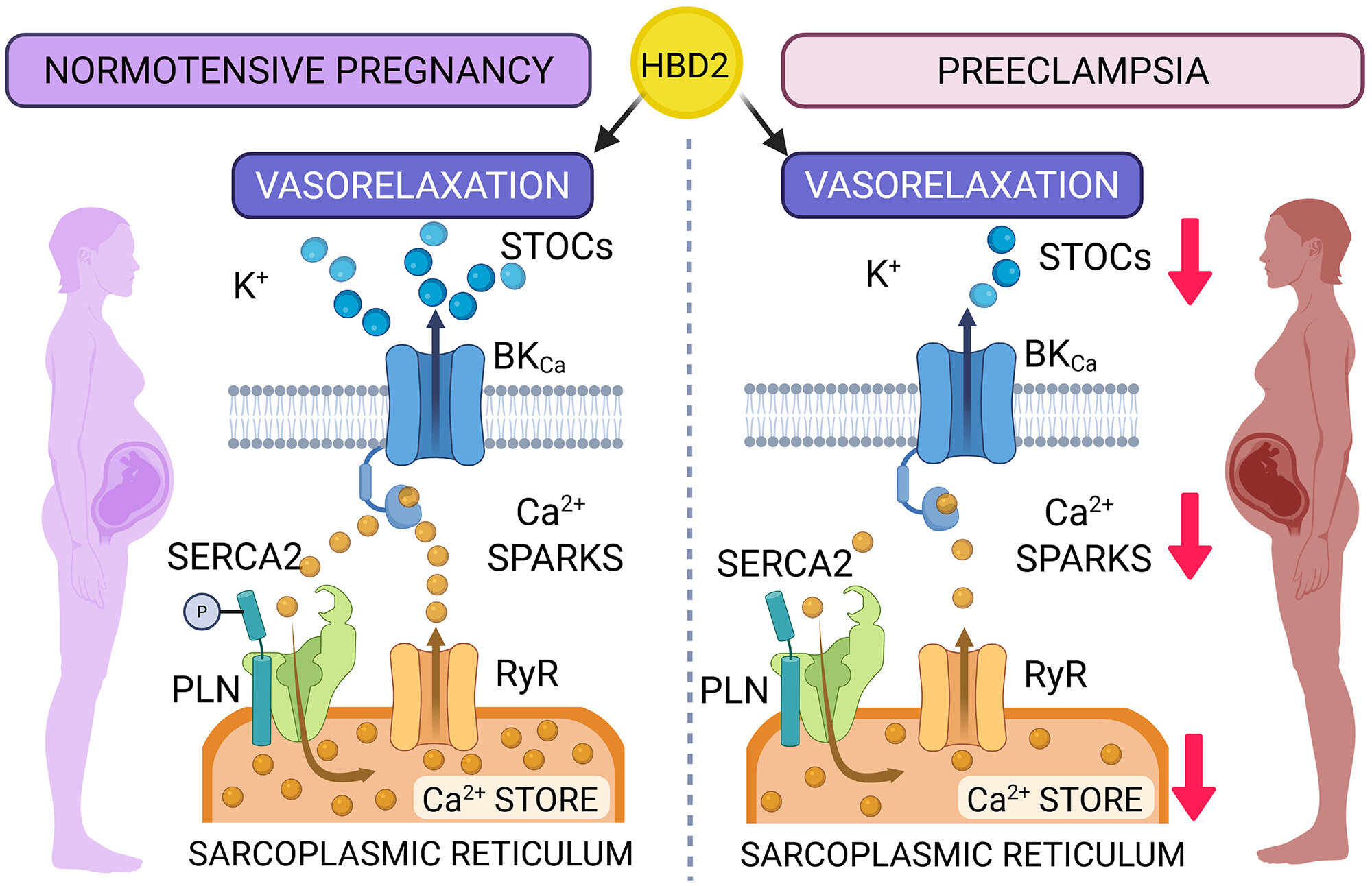
But now the researchers have identified a key failure in the way small arteries regulate blood flow in women with the condition.
The team recruited patients at Saint Mary's Hospital (SMH), part of MFT, and compared tiny arteries from pregnant women with and without preeclampsia. The researchers discovered that a vital natural relaxation mechanism was severely disrupted in those with the disease.
The vessels were taken from the omentum—a fold of fatty tissue inside the abdomen that helps protect and support the abdominal organs—and placed under pressure in a laboratory to study their functioning.
Healthy blood vessels rely on microscopic bursts of calcium, known as "calcium sparks," to tell the muscle in artery walls to relax and prevent excessive constriction.
Source link