This article has been reviewed according to Science X's editorial process and policies. Editors have highlighted the following attributes while ensuring the content's credibility:
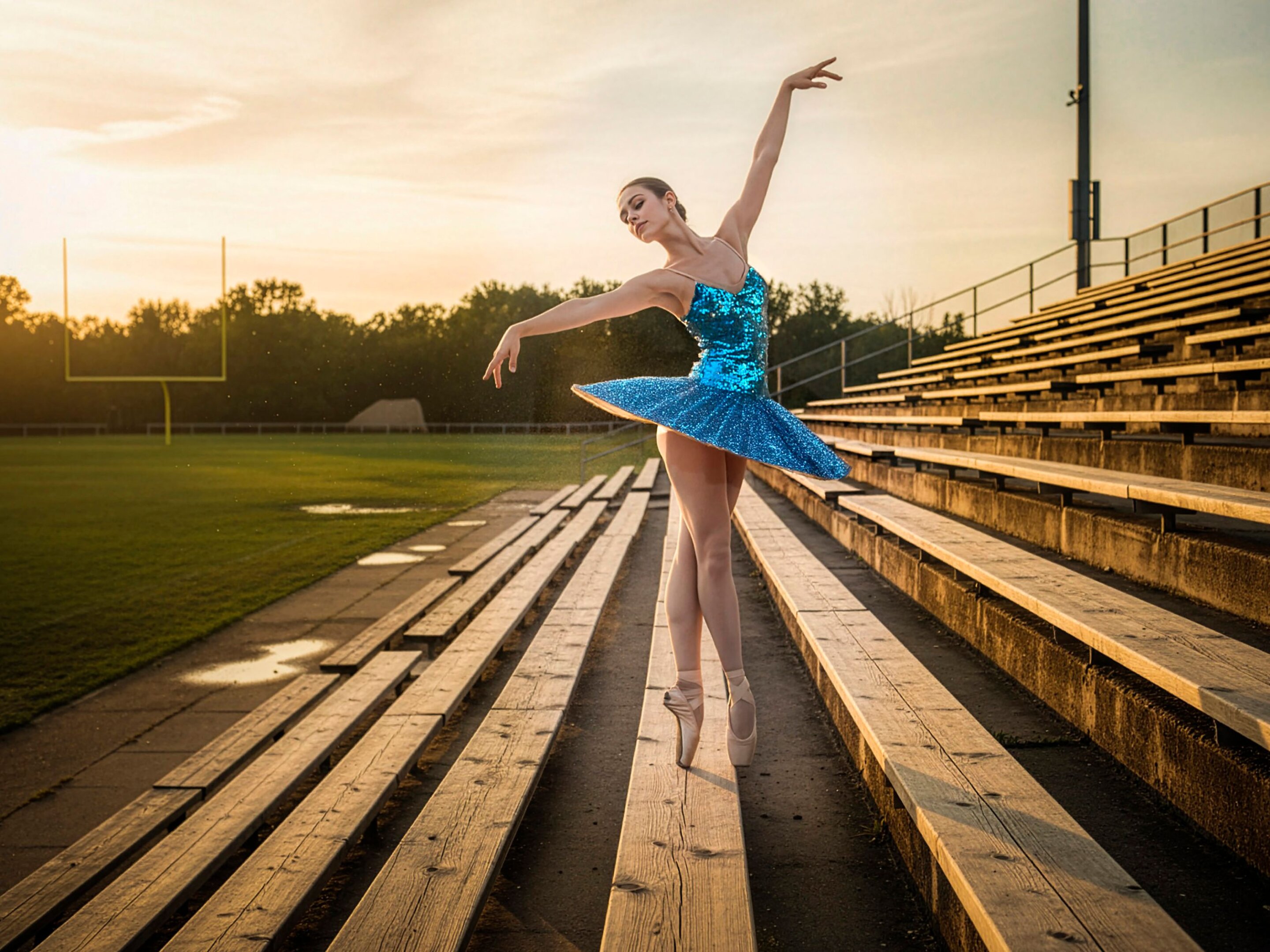
Dance training can influence how we perceive not only movement but also everyday emotional expressions, according to new research from the Centre for Cognition and Neuroscience at City St George's, University of London.
The study, published in the journal Cerebral Cortex, found that dance expertise influences the brain's early visual and somatosensory responses when observing emotional facial expressions.
The findings build on Beatriz Calvo-Merino's previous research, which showed for the first time that motor training, such as dance expertise, can modulate how we perceive actions. This latest study broadens that understanding, suggesting that the effects of dance training extend beyond familiar, dance-specific movements to influence the perception of emotions in other people's faces.
Calvo-Merino, professor of cognitive neuroscience at City St George's, said, "The impact of dance expertise goes beyond movement and taps into social perception mechanisms, such as face processing and emotions. This is fascinating as it provides direct evidence for the impact of the arts on social cognition."
To investigate the relationship between dance expertise and emotion processing, the researchers recruited 26 professional or trainee ballet dancers from dance schools across London, alongside 26 people without dance experience.
The team, formed by Dr. Vasiliki Meletaki, Bettina Forster and Calvo-Merino, recorded participants' brain activity using specialized equipment as they completed a task involving the identification of emotions and whether faces were perceived as male or female.
Source link