This article has been reviewed according to Science X's editorial process and policies. Editors have highlighted the following attributes while ensuring the content's credibility:
Posttraumatic stress disorder (PTSD) is a mental health condition that can develop after someone experiences one or more traumatic events. It is characterized by intrusive memories, nightmares, avoidance of triggering stimuli or situations, mood changes, heightened arousal and increased physical reactivity.
There are now various gold-standard trauma-focused therapeutic approaches and medications that can treat PTSD. However, not all individuals diagnosed with PTSD have access to available treatment options or find them beneficial, and many therapists are not trained in evidence-based treatments.
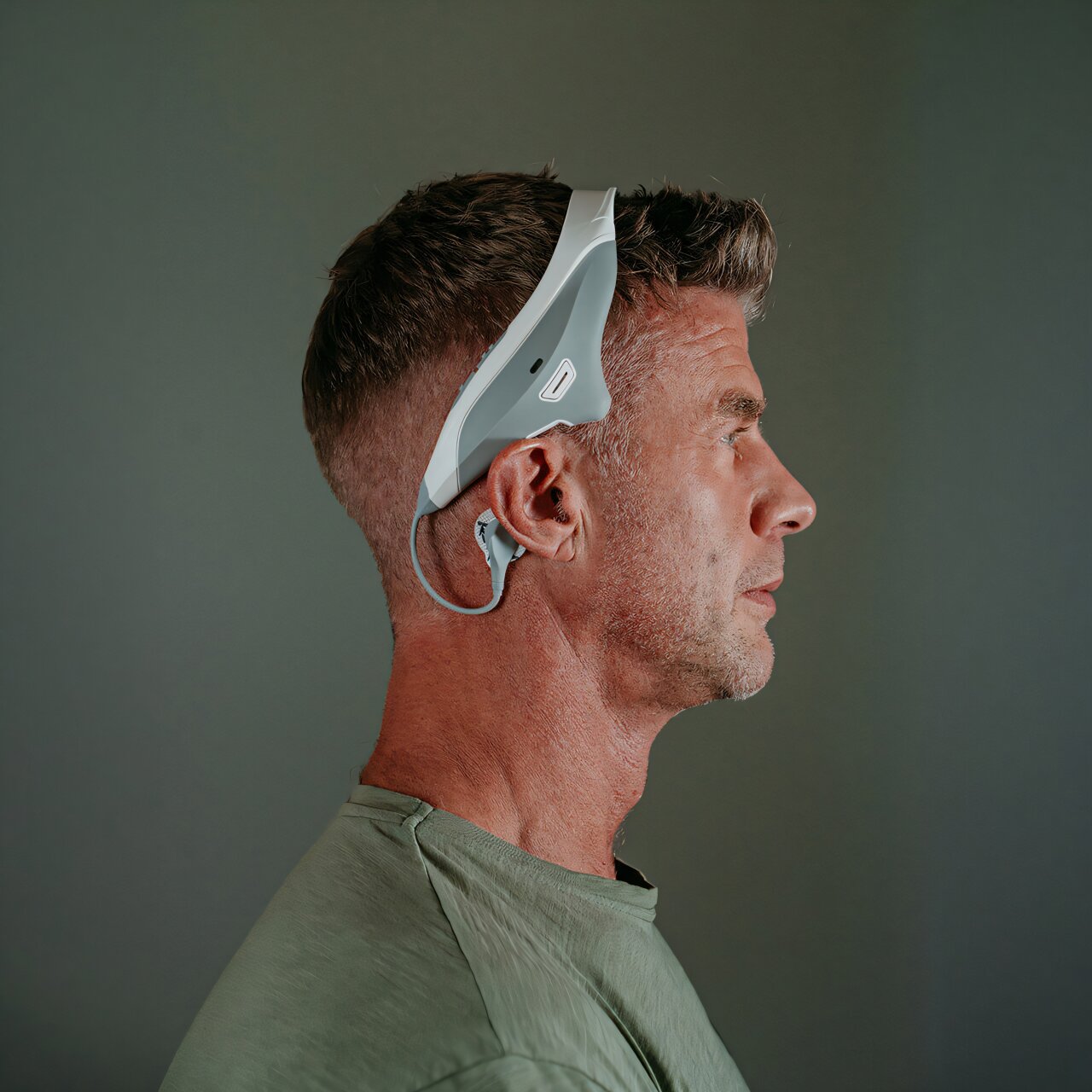
Peter Colvonen, Ph.D., a researcher at the University of California San Diego (UCSD), in collaboration with Neurovalens, recently tested the potential of an emerging intervention called electrical vestibular system stimulation (VSS) for reducing the severity of PTSD symptoms. Their findings, published in Nature Mental Health, suggest that this intervention reduces the overall severity of PTSD symptoms while also easing insomnia and generalized anxiety and improving quality of life.
"This started as a collaboration between me at UCSD and Dr. Jason McKeown, CEO of Neurovalens," Peter J. Colvonen, first author of the paper, told Medical Xpress. "McKeown's work has always been about researching low-risk, noninvasive options for chronic conditions, including PTSD.
Source link