This article has been reviewed according to Science X's editorial process and policies. Editors have highlighted the following attributes while ensuring the content's credibility:
Getting concussed is usually obvious: there's dizziness, headache and confusion. The symptoms appear after a blow to the head or body and temporarily disrupt brain function.
But clinical neuropsychologist Louis De Beaumont, a professor in the Department of Surgery at Université de Montréal and researcher at the Hôpital du Sacré-Cœur de Montréal research center, has found that's not always the case.
A few years ago, he showed that a head impact of a certain force can cause physiological and neurochemical changes without immediately producing recognizable symptoms.
A blow to the head, he revealed, can disrupt cerebral homeostasis, the brain's ability to maintain the internal balance it needs to function properly.
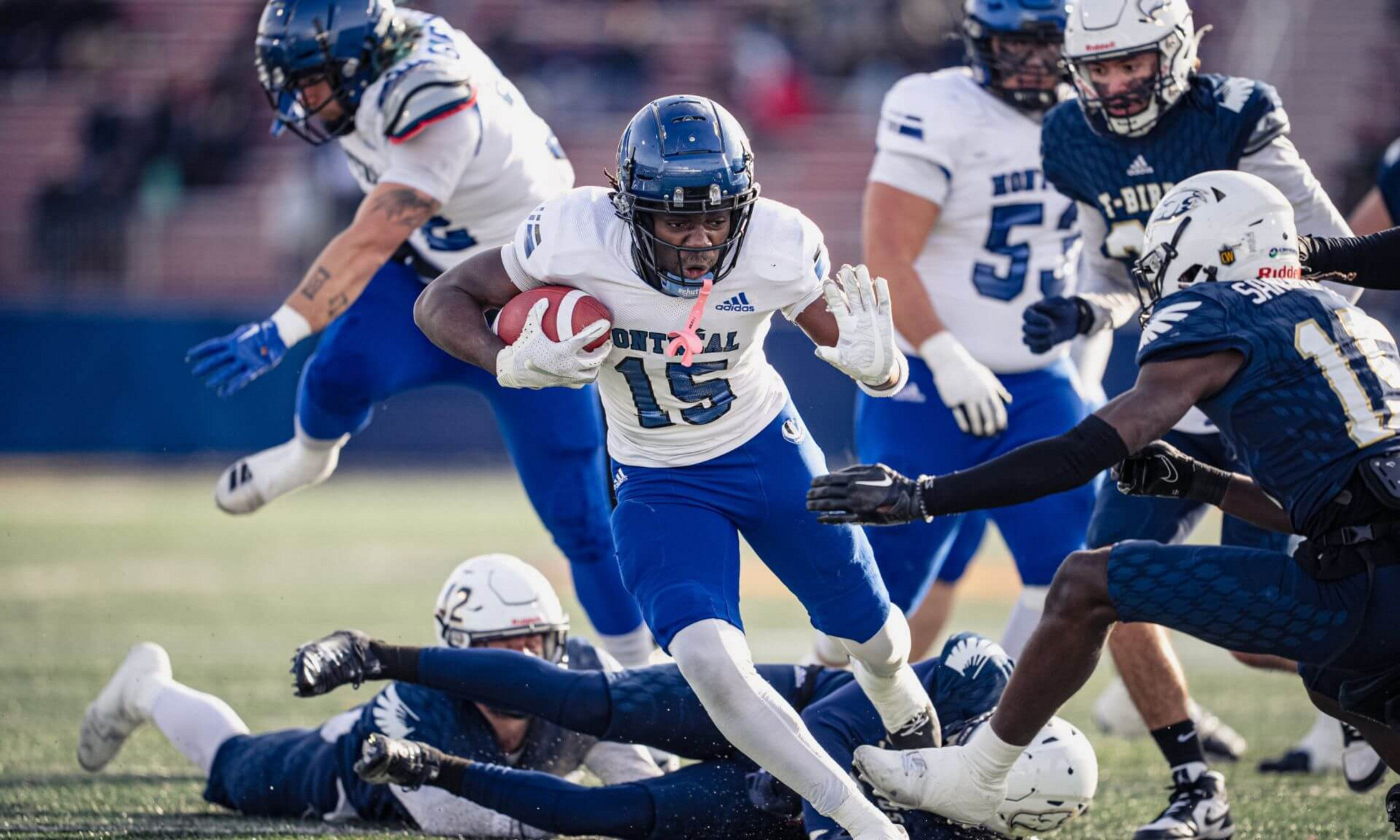
Now, to probe the issue and protect student-athletes from harm, De Beaumont is leading a research project right where impacts might occur: at football games played at UdeM's CEPSUM sports complex.
De Beaumont has found that a 40 g impact—40 times the force of gravity—can be associated with measurable changes in brain physiology, even without concussion symptoms.
(The 40 g figure is only a research benchmark, not a diagnostic threshold.)
De Beaumont and his team are working with UdeM's Carabins football team and their medical staff, as well as other teams in the Réseau du sport étudiant du Québec, to support prevention and steadily improve student-athletes' health.
Since the start of the 2026 season, every Carabins football player has been wearing a Catapult-brand sensor vest that measures variables such as heart rate, running speed, acceleration and movement.
Source link