This article has been reviewed according to Science X's editorial process and policies. Editors have highlighted the following attributes while ensuring the content's credibility:
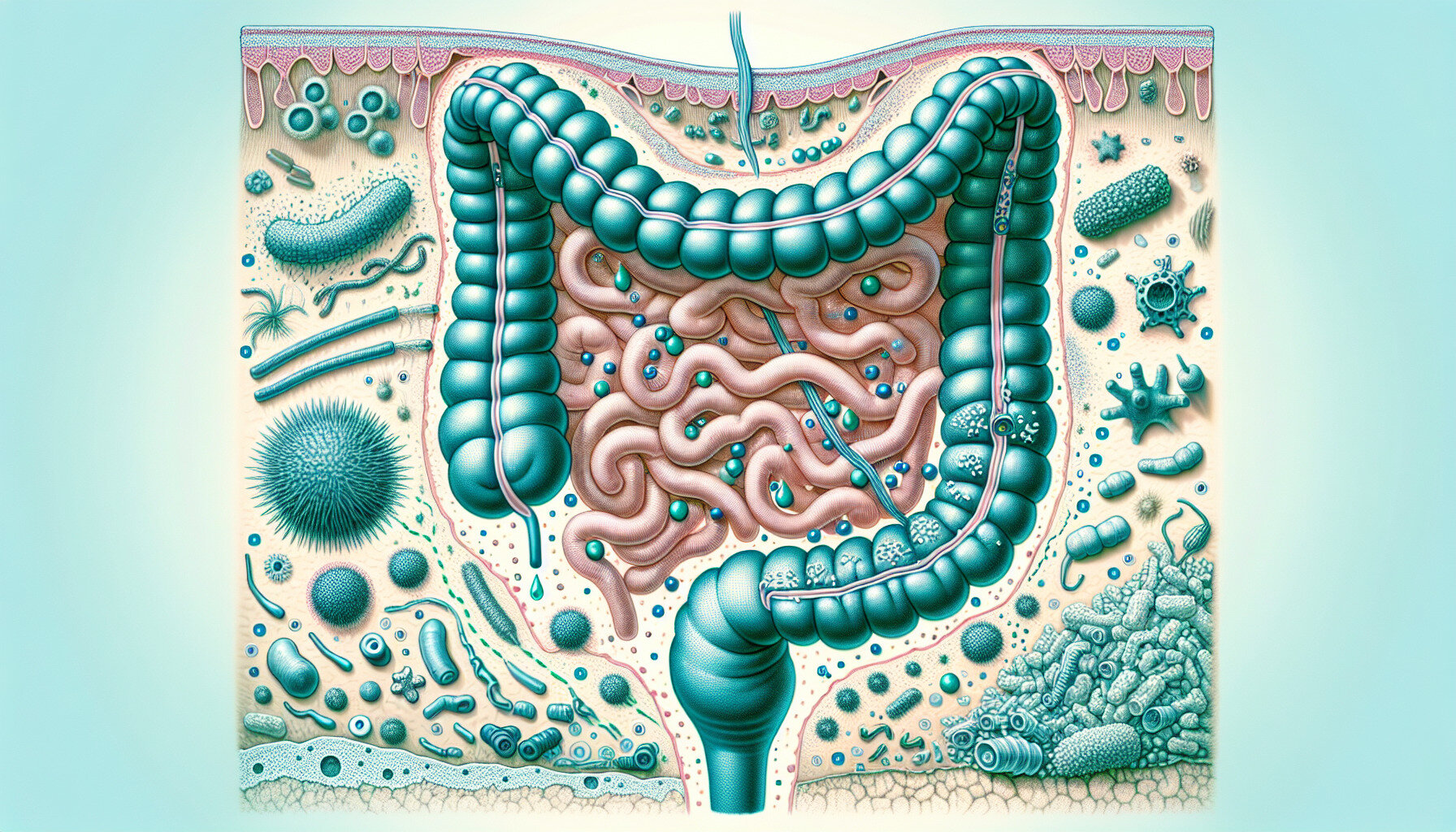
University of Missouri researchers are using artificial intelligence to uncover hidden clues among the trillions of bacteria living in the human gut, including changes that could one day help scientists detect diseases earlier. The Mizzou team—which brings together expertise in medicine, data science and engineering—developed a new machine-learning tool capable of finding biological signals that conventional methods miss. Their paper is published in the journal mSystems.
The tool, called Metric Learning for Statistical Inference, or MeLSI, cuts through the complexity of microbiome data to identify the microbes driving key biological changes. That insight matters because researchers increasingly believe microbiome changes can begin months or even years before symptoms appear.
"We're starting to see that small changes in the gut microbiome may occur long before people begin to show symptoms of neurological diseases such as Alzheimer's," said Ai-Ling Lin, a professor of biological sciences in Mizzou's College of Arts and Science, professor of radiology in the School of Medicine and a NextGen Precision Health investigator. "If we can identify those changes earlier, we could find ways to mitigate or even reverse them."
Traditional analytical methods can reveal broad differences between healthy and diseased microbial communities. MeLSI goes a step further by identifying the specific microbes responsible for those changes, giving researchers a clearer picture of what's changing within the microbiome.
"Standard approaches are like using a generic ruler to measure everything," said Nathan Bresette, a doctoral student in Mizzou's School of Medicine and lead author of the study.
Source link