This article has been reviewed according to Science X's editorial process and policies. Editors have highlighted the following attributes while ensuring the content's credibility:
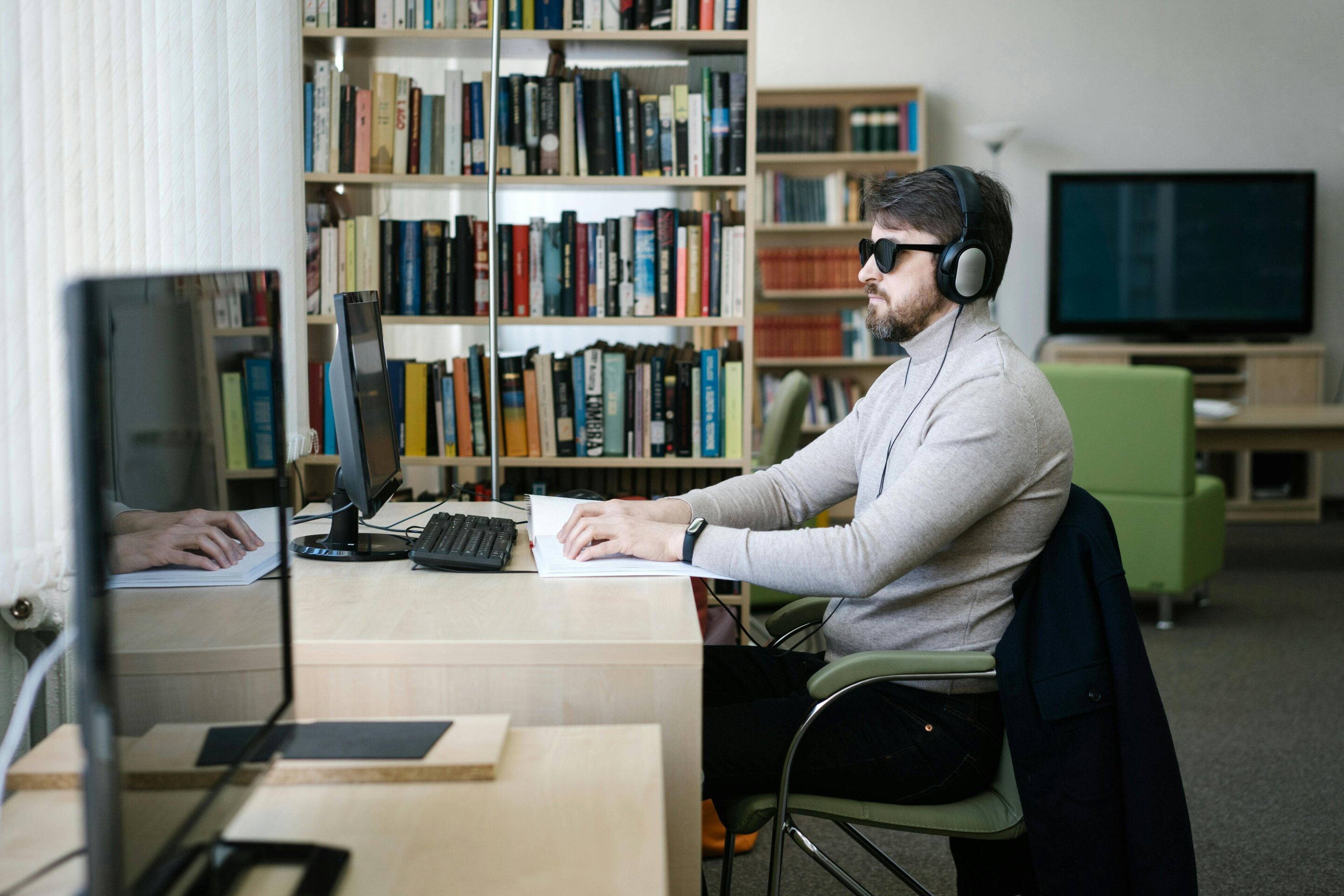
An international study of almost 1,000 people living with sight loss, led by University College London (UCL) researchers, found that nearly one in five reported receiving or encountering eye treatments they believed to be "bogus."
The study, published in JAMA Ophthalmology, raises concerns in the eye health community about how patients navigate an increasingly complex environment of health information and commercial treatment claims.
The study team, supported by NIHR Biomedical Research Center: Moorfields, surveyed 955 adults with diagnosed eye conditions in the U.K. and U.S. to gauge how often they came across treatments they perceived as lacking sufficient scientific evidence or regulatory credibility, where they encountered them and what influenced their decisions to accept or reject them.
The survey found that 19.1% of participants reported encountering treatments they believed to be bogus. Most chose not to proceed, but about one in four underwent treatment.
Nearly 58% of participants reported seeing online advertising for these treatments. Some, however, first heard about a treatment during an appointment with an eye care professional. Those participants were significantly more likely to undergo treatment than those who encountered online advertising and marketing.
The study was led by professor Mariya Moosajee and Dr. Lee Jones. Jones, a postdoctoral research fellow at the UCL Institute of Ophthalmology and the NIHR Clinical Research Facility, Moorfields Eye Hospital, said, "Our results highlight the importance of clear and evidence-based communication between clinicians and patients as new therapies emerge and online marketing continues to expand across the world.
Source link