This article has been reviewed according to Science X's editorial process and policies. Editors have highlighted the following attributes while ensuring the content's credibility:
People receiving AI-supported screening for diabetic retinopathy, a leading cause of blindness globally, were almost twice as likely to attend specialist follow-up appointments as those receiving standard screening, according to new research from the London School of Hygiene & Tropical Medicine (LSHTM).
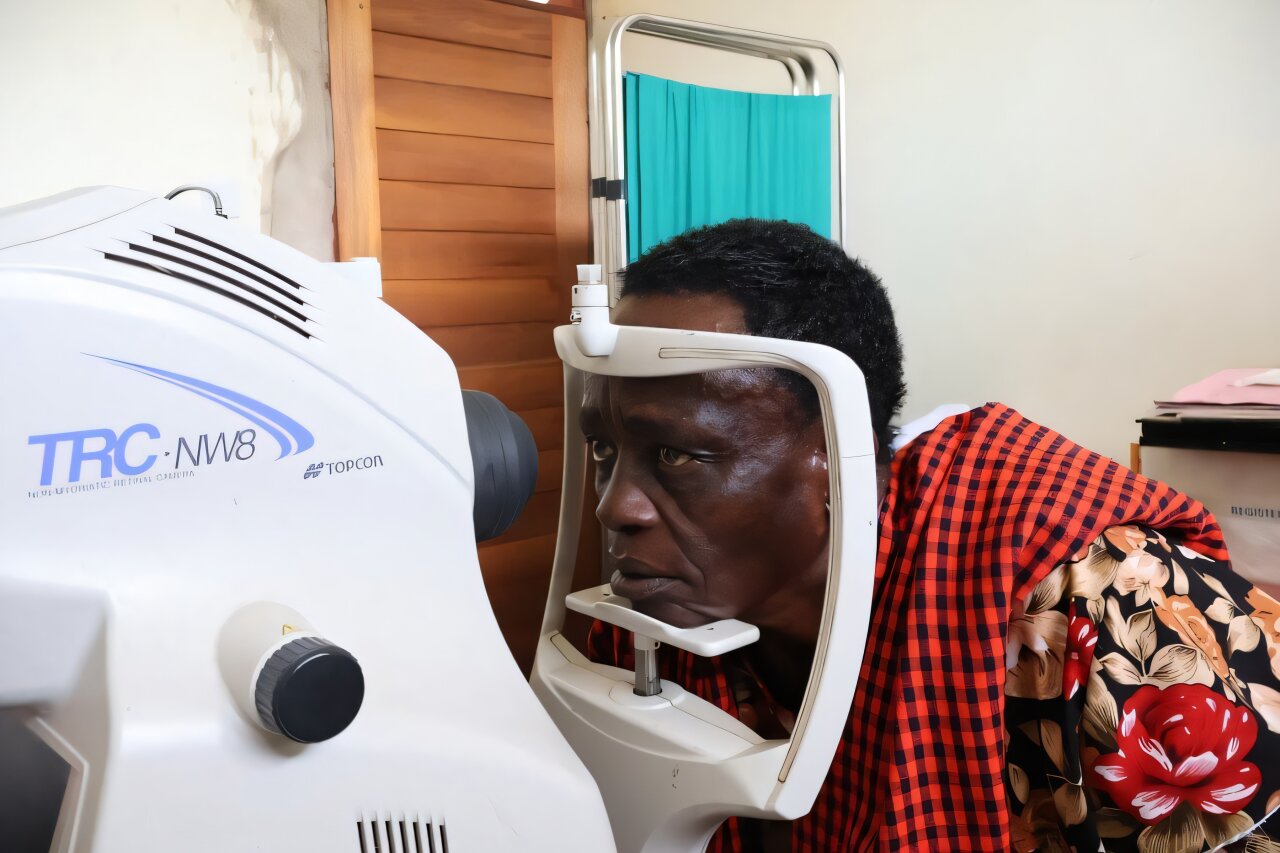
In a trial of 2,378 people attending a diabetic eye screening program across 24 hospitals in Tanzania, half of the participants received AI-supported screening, while the other half followed the standard screening pathway.
Of those who received AI-supported screening and had a level of diabetic retinopathy requiring referral, 35.9% attended a specialist clinic within eight weeks, compared with 18.2% of those who received standard screening. Those who attended specialist care after AI screening did so sooner, an average of 10.9 days after screening compared with 36.9 days for those receiving standard screening.
The findings, published in The Lancet Global Health, suggest integrating AI into screening programs could give health care workers more time to provide face-to-face support to patients, particularly in low-resource settings, for conditions where early intervention and treatment are crucial.
The difference may be partially explained by how patients received their results. In the AI-supported pathway, patients were provided with an immediate result, allowing for face-to-face counseling from health care workers. In the standard pathway, retinal images were assessed by a health care worker at a nearby hospital, and results and counseling were given weeks later over the phone.
Source link