This article has been reviewed according to Science X's editorial process and policies. Editors have highlighted the following attributes while ensuring the content's credibility:
A preclinical study by researchers at UT Southwestern Medical Center has discovered how a protein called ZBTB44 helps prevent excessive immune activity that can cause inflammation in the colon, the main section of the large intestine. The findings, published in Nature Immunology, may help explain how immune responses go awry in a range of chronic inflammatory and autoimmune diseases.
"Our study identifies ZBTB44 as a previously unrecognized molecular brake that restrains harmful immune responses in the intestine, revealing a potential new pathway for understanding and treating inflammatory bowel disease (IBD)," said corresponding author Venuprasad Poojary, Ph.D., associate professor of internal medicine and immunology and a member of the Division of Digestive and Liver Diseases at UT Southwestern.
Poojary led the research with first author Mahesh Kathania, Ph.D., instructor of internal medicine in the Division of Digestive and Liver Diseases, and Desh Raj, Ph.D., a postdoctoral researcher in the Poojary Lab.
IBD, which includes Crohn's disease and ulcerative colitis, affects an estimated 3 million Americans. One contributor to this inflammation is interferon-gamma (IFN-γ), a protein released by immune cells to coordinate the body's defense against infection. When produced in excess, it can worsen inflammation and damage the intestinal lining.
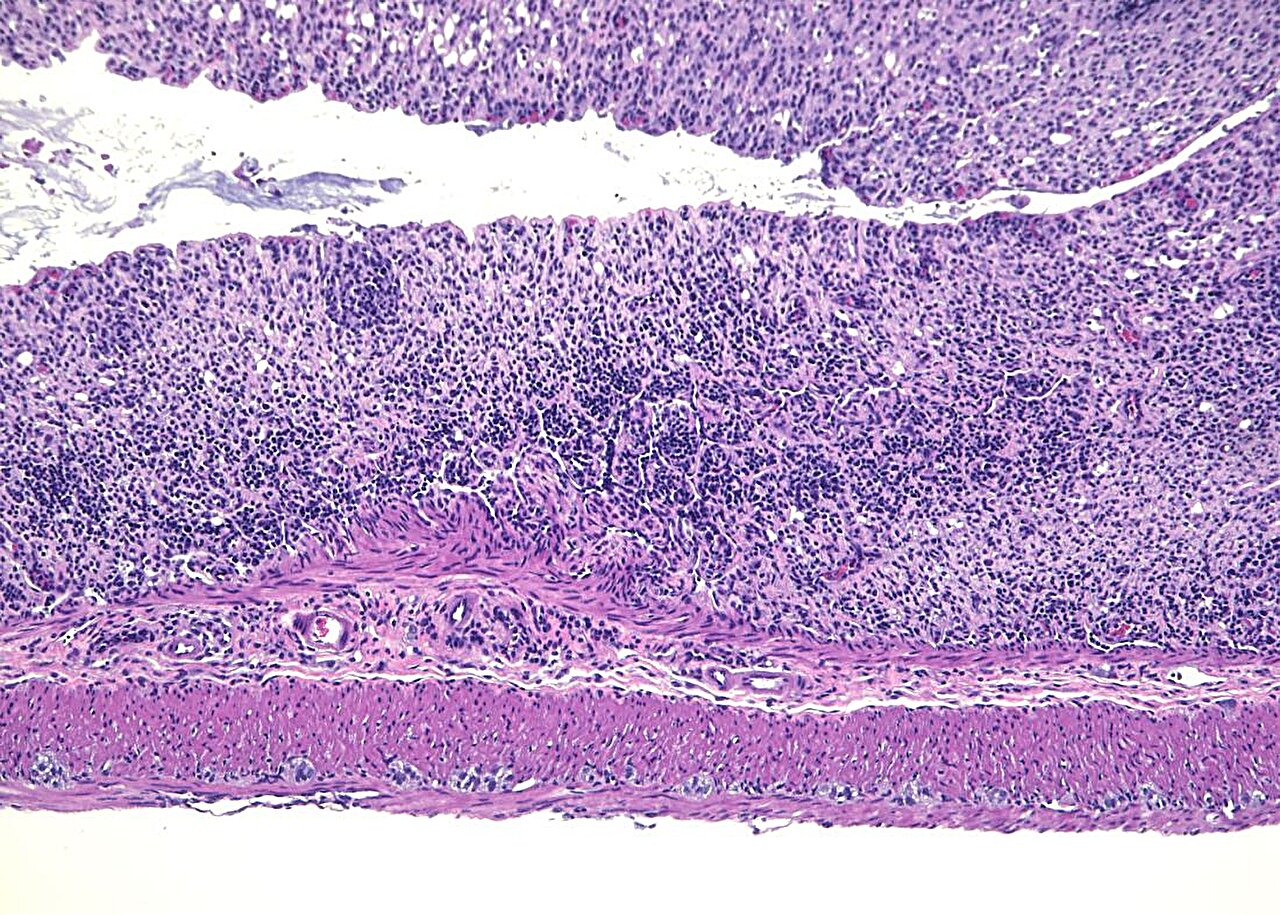
To learn what normally keeps IFN-γ in check, Poojary, Kathania, Raj and their colleagues investigated ZBTB44's role in controlling gene activity. Mice unable to produce ZBTB44 developed inflammation of the colon without an external trigger and experienced more severe disease in a model of colon injury.
Source link