This article has been reviewed according to Science X's editorial process and policies. Editors have highlighted the following attributes while ensuring the content's credibility:
Recent advances in cancer biology have shown that a tumor is not a uniform mass. It consists of many different cancer cells and is embedded in an environment of immune cells, connective tissue and blood vessels. This variety is a significant factor in determining whether a tumor spreads and how well a therapy works. While single-cell approaches are considered pioneering instruments in cancer research, their translation into clinical practice has been limited to date, primarily due to a lack of large patient data sets with comprehensive clinical histories.
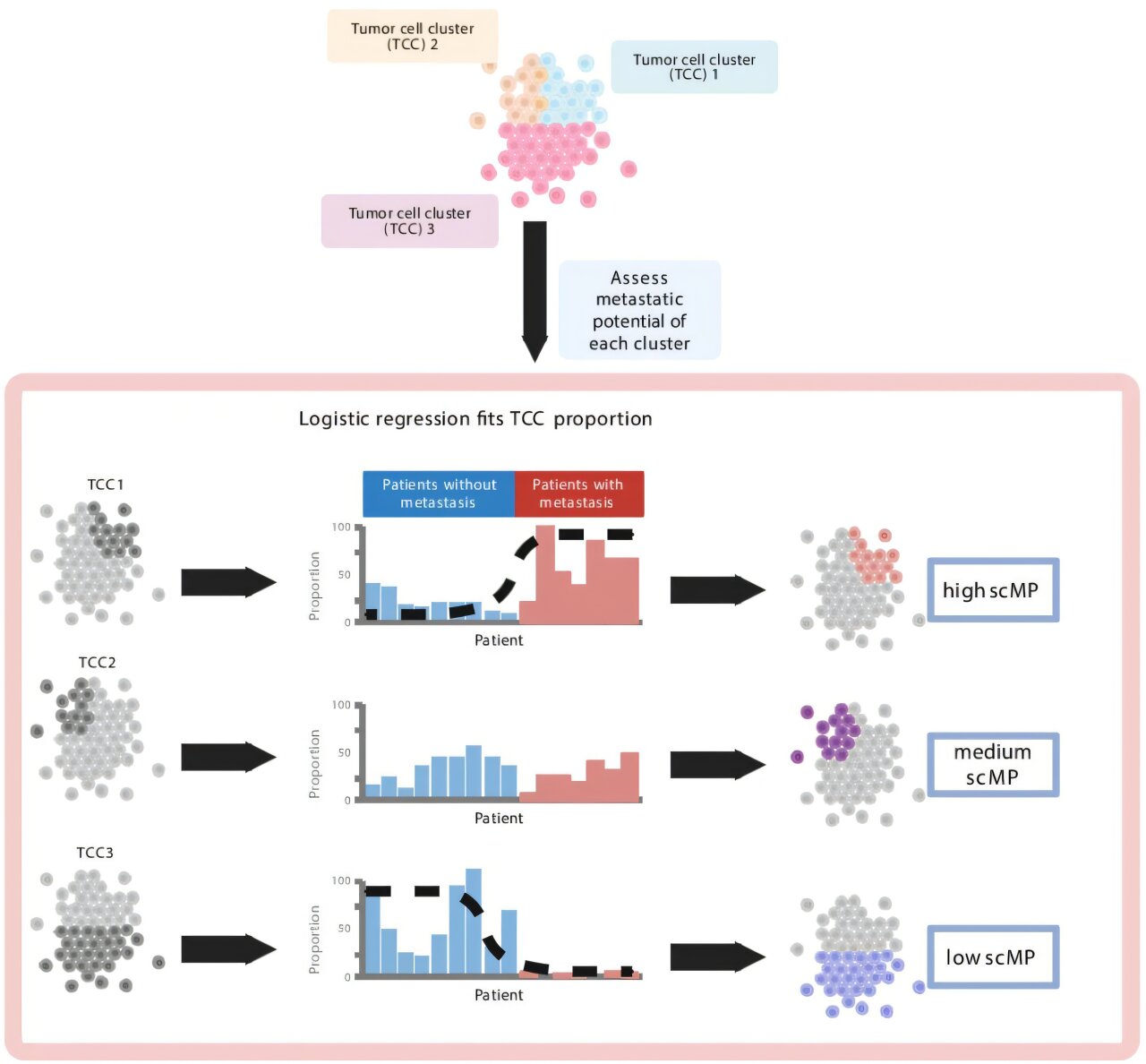
Researchers from LMU Munich, Charité University Hospital Berlin and the Berlin Institute for the Foundations of Learning and Data (BIFOLD) at the Technical University of Berlin have now created a comprehensive single-cell atlas for lung cancer. This atlas was then linked to the clinical outcomes of patients using AI.
With their model, the researchers were able not only to identify tumor cell types that particularly contribute to the development of metastases but also to predict interactions between tumor cells and the cells of the surrounding microenvironment that are closely connected to disease outcome. The study has now been published in the journal Nature Cancer.
One of the world's leading causes of cancer-related deaths, lung cancer is markedly heterogeneous. Even within a tumor, cancer cells differ considerably in their aggressiveness. The conventional classification according to tumor size and lymph node involvement does not adequately capture this variety.
Source link