This article has been reviewed according to Science X's editorial process and policies. Editors have highlighted the following attributes while ensuring the content's credibility:
A Southampton student who experienced firsthand the devastating impact of malaria while growing up in Cameroon has invented a novel mosquito-repelling gadget.
Ulrich Mefenya Tanetsing, who had malaria himself as a child, has created an AI-powered device that detects and repels mosquitoes using sound.
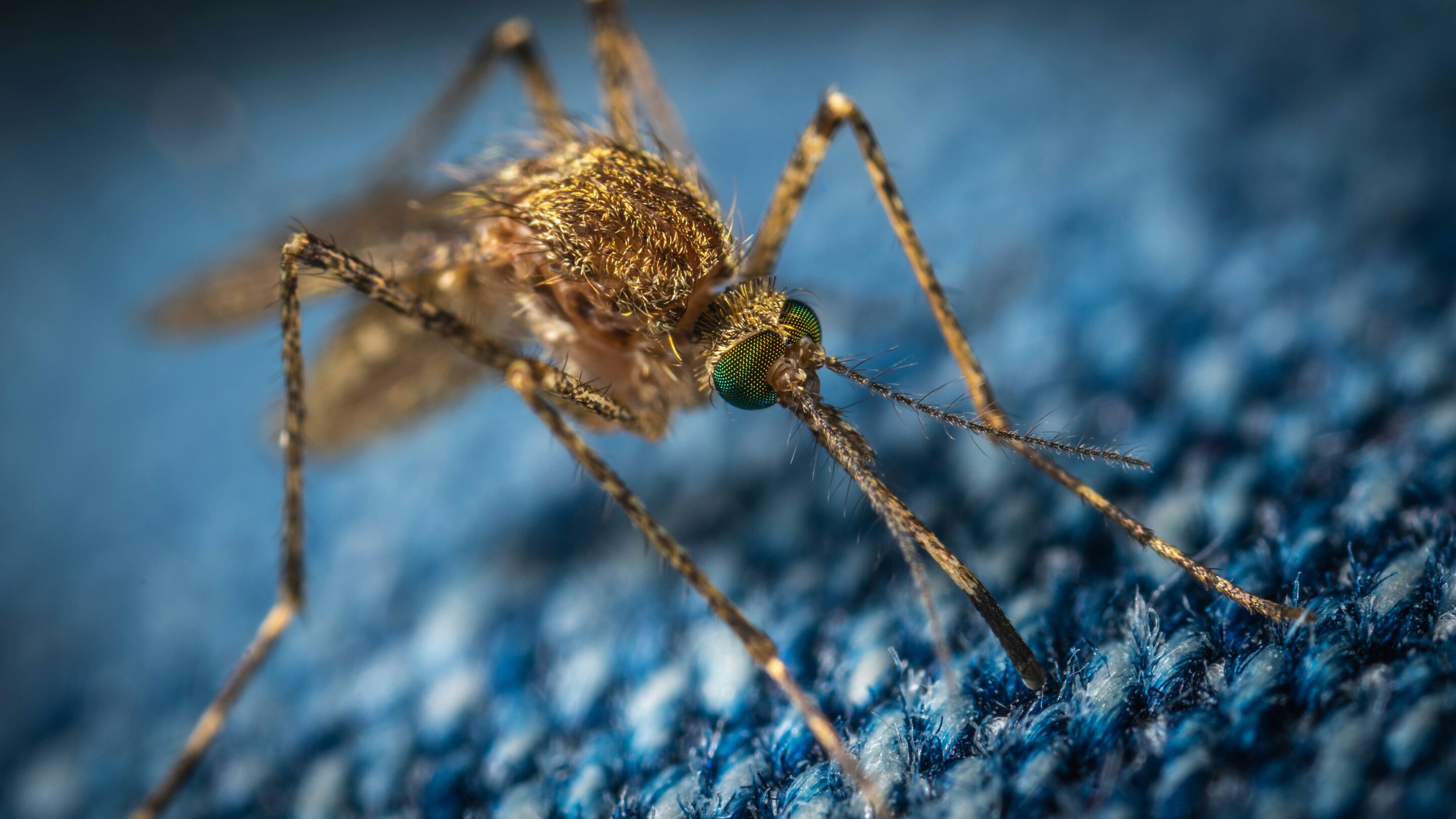
His invention, called ISARS (Intelligent Species-Specific Acoustic Repulsion System), uses the sound of a mosquito's wingbeat to identify species that are most likely to transmit malaria. It uses targeted sound to disrupt the mosquito's navigation, with the frequency continuously adapting rather than relying on a single, repeated tone.
The device does not need any chemicals, internet connection or complex infrastructure, and it is small and low-cost. It emits a subtle sound not loud enough to disturb people's sleep, potentially making it suitable for use in homes in remote communities.
Tanetsing, 23 and a master's student in biomedical engineering at the University of Southampton, has a personal motivation behind the idea.
"Growing up in Cameroon, I saw countless people suffer from and die from malaria, and I experienced it myself," he said. "That personal connection stayed with me."
He came up with the idea after watching a documentary about submarines using acoustic technology to steer whales away from their path.
"It struck me that mosquitoes, like whales, communicate and navigate using sound, so I wondered whether a similar approach could work against them," he said.
Source link