Your wall outlet may handle the load, but that doesn't mean the extension cord will.
Extension cords are amazing at making temporary solutions permanent. You connect a laptop charger because the outlet is in an inconvenient location and you hide the cord behind your desk and six months later it's as if it's part of the furniture.
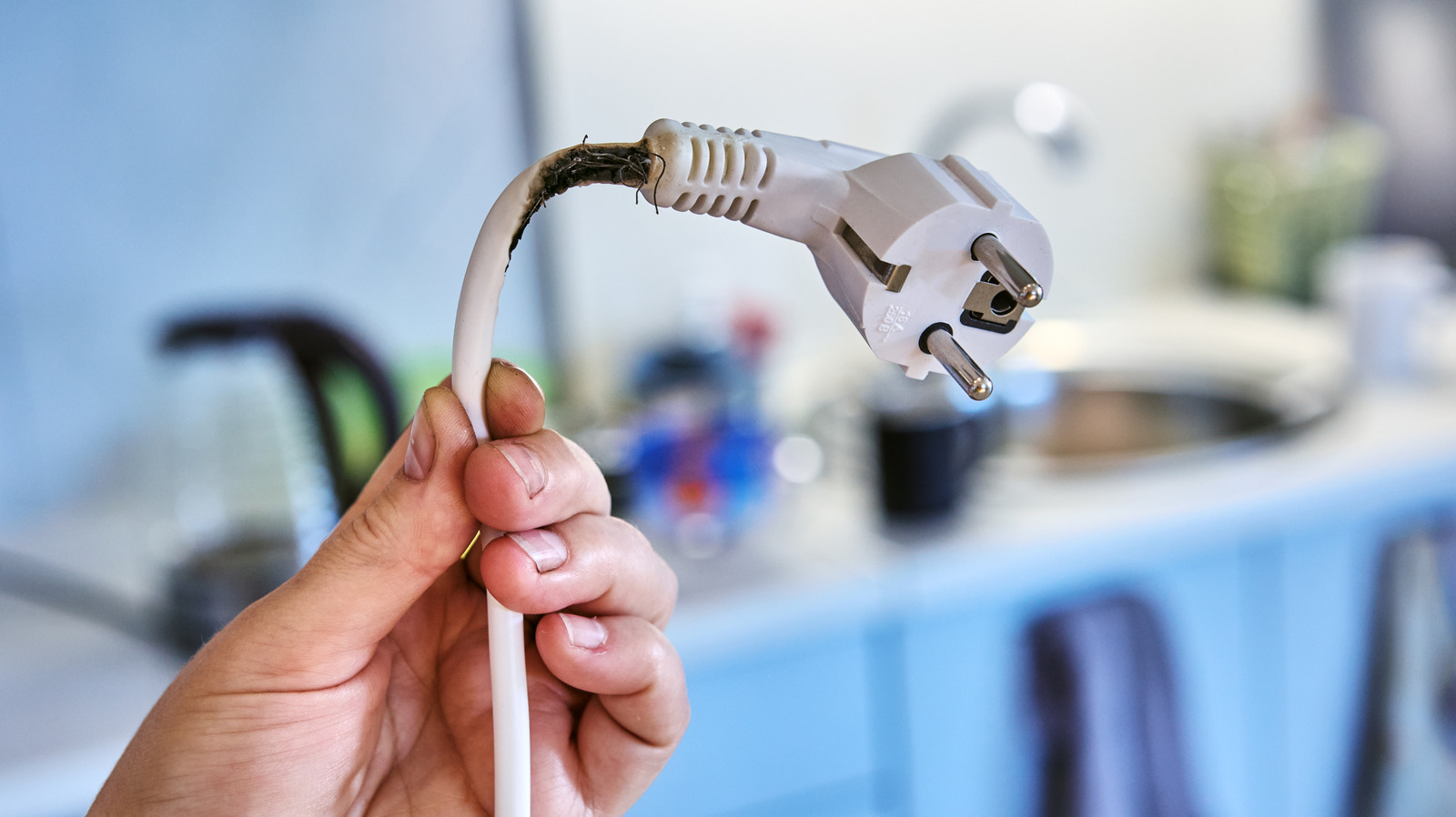
That's where the trouble begins. Extension cords are not permanent wiring additions and can become damaged over time if used continuously, according to the Electrical Safety Foundation International (ESFI). When you're done, unplugging one is a good opportunity to observe cracked insulation, loose connections or a plug that is getting hotter than you would prefer.
To be clear, an empty extension cord doesn't inevitably start cooking itself simply because its plug is still in the wall. The question is, what happens when that cord becomes a part of your daily routine? It can be trapped behind furniture, damaged (especially in the event of lightning) or simply asked to power something much more demanding than the phone charger it was originally being used for.
The National Electrical Code (NEC) has a pretty clear definition of the difference. 12 , flexible cords and cord sets should not replace a structure's fixed wiring. It also prohibits running them through holes in walls, floors and ceilings, through doorways or windows, or anywhere they are likely to be physically damaged. The specific version and amendments of the NEC that are in effect may differ from location to location.
Source link