This article has been reviewed according to Science X's editorial process and policies. Editors have highlighted the following attributes while ensuring the content's credibility:
Urbanization and biodiversity loss have reduced human contact with the diverse microbiomes found in natural environments. Exposure to environmental microbes supports the normal development and regulation of the immune system. This reduction in exposure is considered a contributing factor to the rising prevalence of allergies, asthma, type 1 diabetes and other immune-mediated diseases.
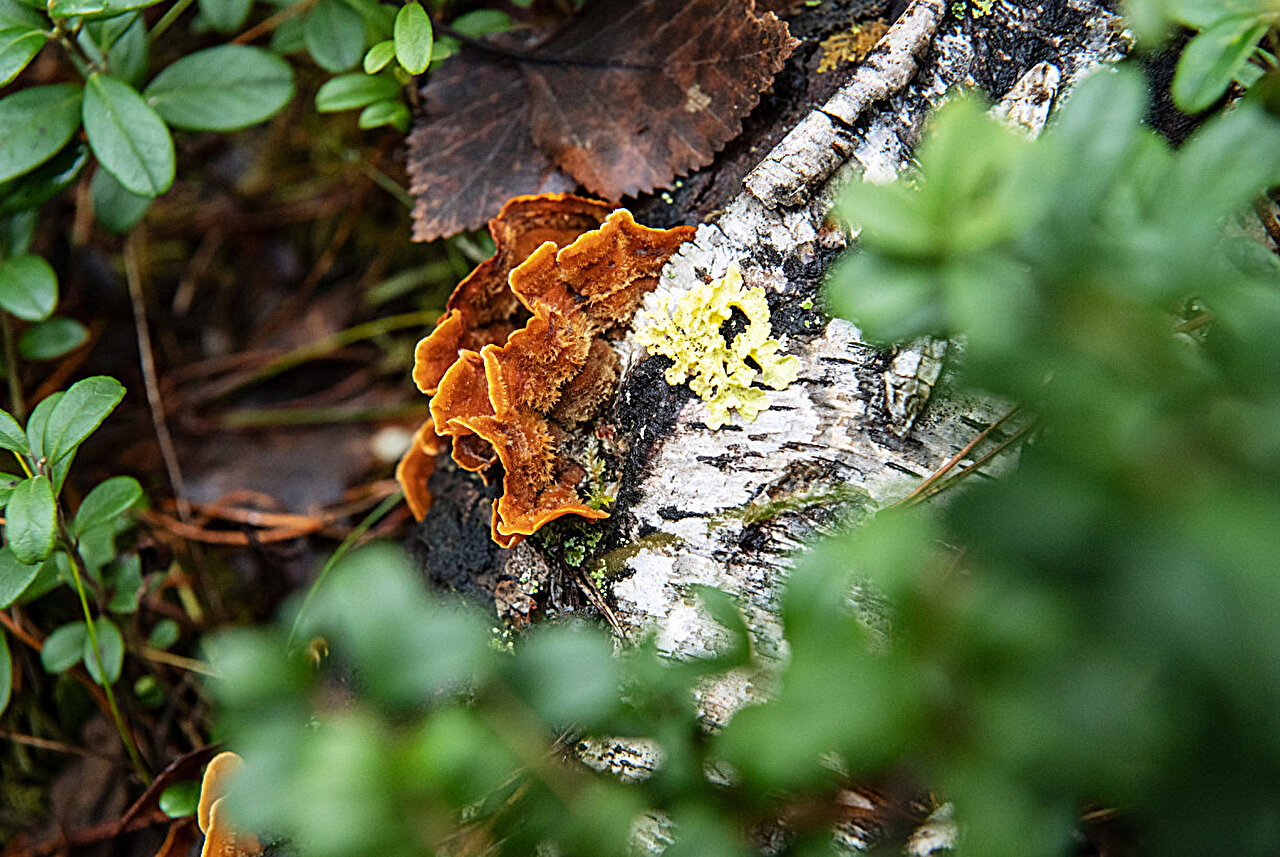
According to a joint study by Tampere University, Benefa Oy and the Natural Resources Institute Finland (Luke), rewilding home yards can diversify residents' skin and oral microbiota and may be linked to the body's inflammatory response. The study also revealed that the amount of deadwood in the neighborhood was linked to the composition and metabolic pathways of the human microbiome.
"This newly published study conducted in urban yards is the first to show that the effects of yard rewilding and gardening practices can extend from one's own home garden all the way to the human microbiome and the functioning of the immune system. What is also unique is that the amount of decaying deadwood in the neighborhood was associated with the human microbiome and its metabolic pathways," says lead researcher Aki Sinkkonen from the University of Eastern Finland.
The study was published in the journal Microbiome . The research included the yards of 36 detached houses. Of these, 21 yards were modified to be more natural by introducing diverse vegetation, deadwood, wood chips, microbially rich growing media and leaf composters.
Source link