This article has been reviewed according to Science X's editorial process and policies. Editors have highlighted the following attributes while ensuring the content's credibility:
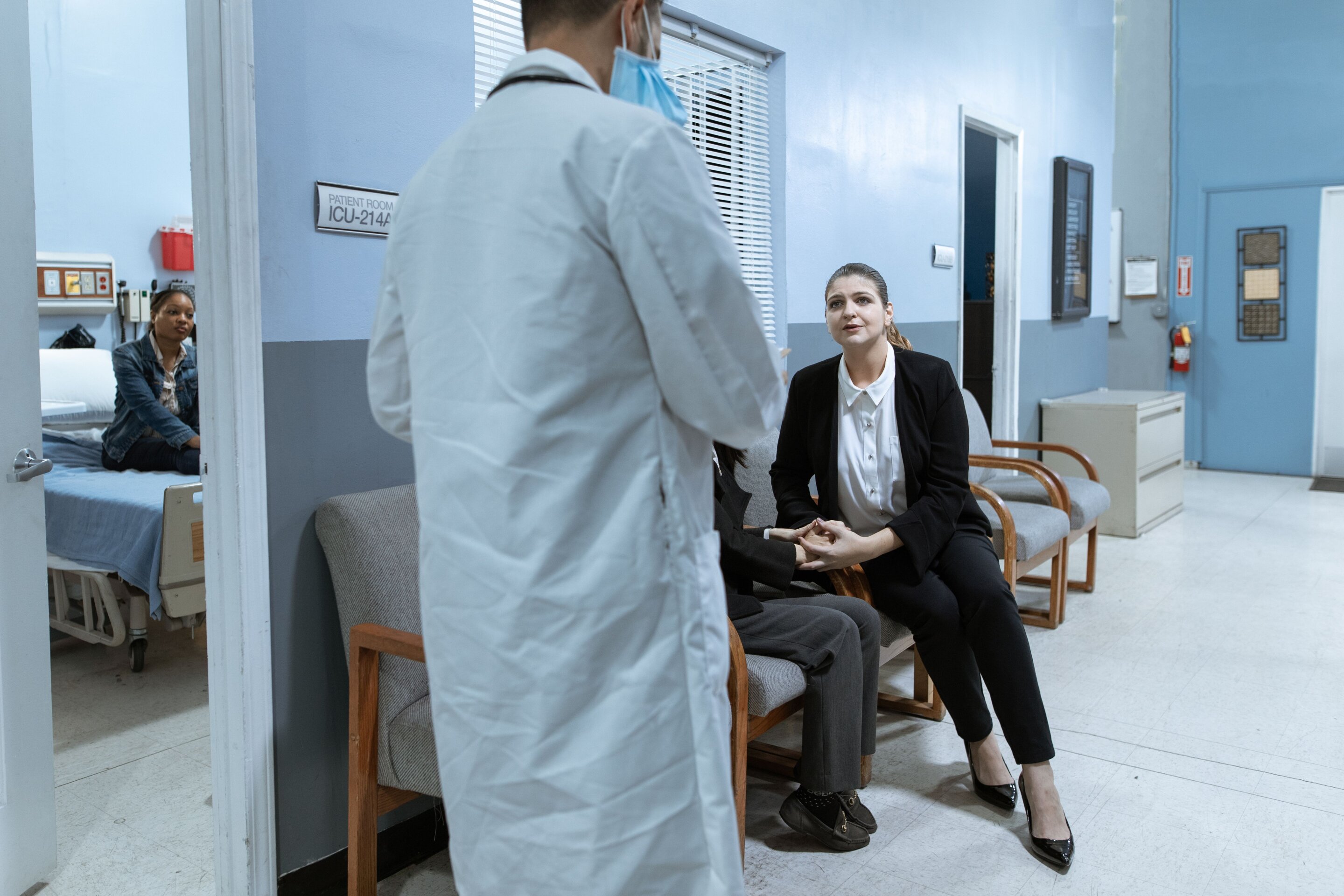
Getting the right diagnosis isn't always easy. Some illnesses develop slowly, some have vague symptoms and many can be mistaken for something else.
Actress Christina Applegate's story about being misdiagnosed with multiple sclerosis (MS) reminds us that even doctors can struggle to find the right answer. Misdiagnosis can happen to anyone, with any condition.
A misdiagnosis means your doctor didn't get it right the first time—maybe the diagnosis was missed, incorrect or took too long. It happens more often than you might think, especially with tricky conditions that share symptoms.
It's important to keep these numbers in perspective. With more than 1 billion health care visits in the United States each year, the risk for serious harm from a misdiagnosis at any single visit is less than 0.1%. The researchers behind these estimates emphasize that patients shouldn't panic or lose trust in their health care providers.
Most diagnostic errors involve common conditions, not rare ones. These include infections, heart and blood vessel disease and cancer. Some conditions are more likely to cause serious harm from misdiagnosis: stroke, sepsis, pneumonia, blood clots (venous thromboembolism) and lung cancer.
Cancers are among the diagnoses most often missed or delayed, especially colorectal, lung, breast, prostate and bladder cancer. Heart attack, stroke, sepsis, pulmonary embolism and brain bleeding are also on this list.
In primary care, the conditions missed most often were pneumonia and worsening heart failure.
Source link