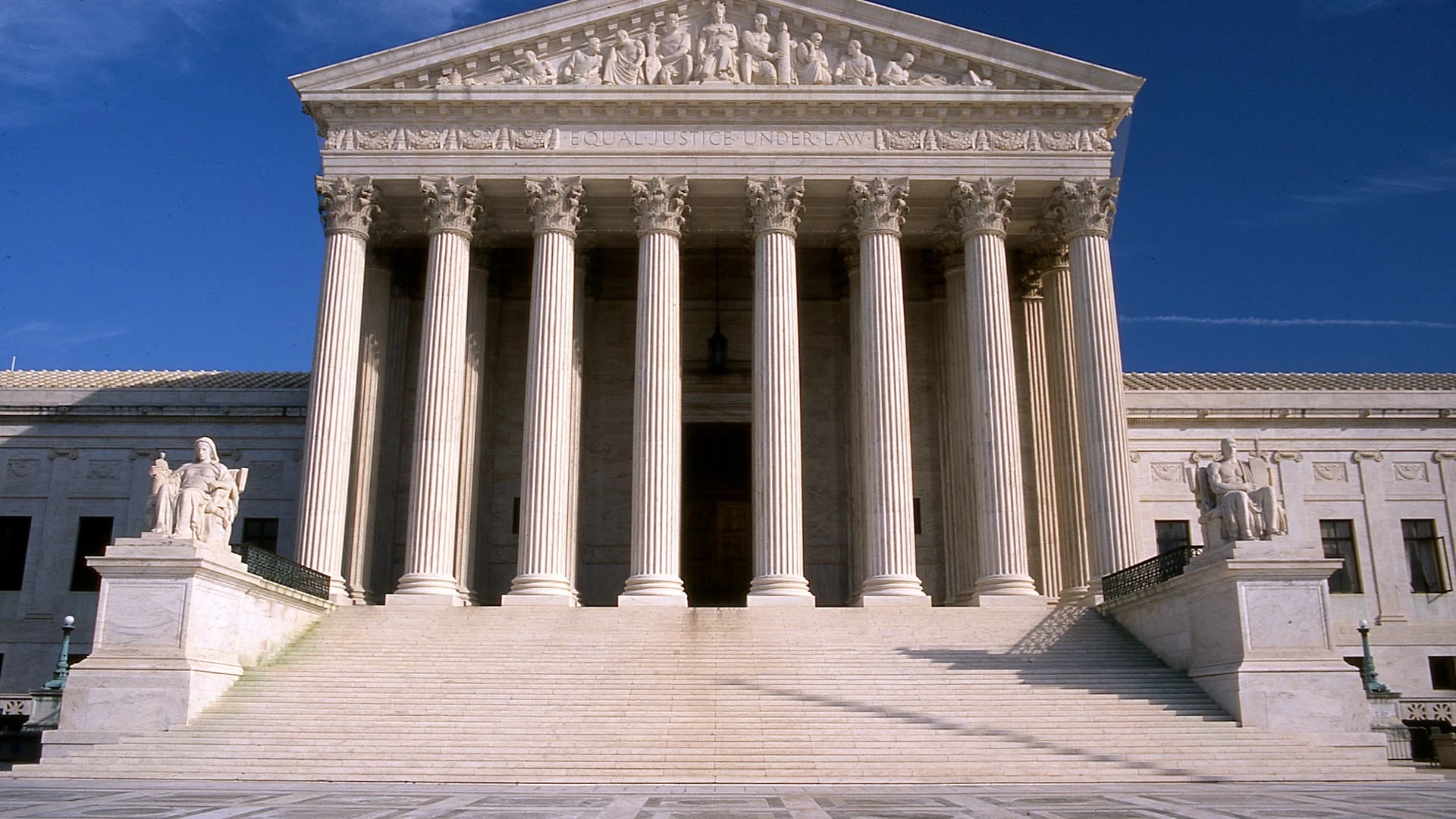
If sports betting and prediction markets look like different queues for the same match, the Supreme Court may decide which rulebook applies. The American Gaming Association has urged the justices to review a ruling that blocks New Jersey from enforcing its gaming laws against Kalshi’s sports event contracts.
That matters to esports fans because it is a fight over the boundary between betting products and federally regulated markets, not just a dispute over Kalshi’s labels. The case concerns sports event contracts and sports betting; its outcome could still influence the wider betting environment that competitive gaming audiences follow.
The core question is whether registration with the Commodity Futures Trading Commission (CFTC), the federal regulator of derivatives markets, can put sports-linked contracts beyond state gambling laws. New Jersey argues the Supreme Court should decide whether federal law displaced states’ authority. The answer could affect prediction markets, licensed sportsbooks, consumers, and state and tribal regulators.
New Jersey’s petition challenges a Third Circuit ruling in Kalshi’s favor. That decision prevents the state from applying its gaming laws to the company’s sports event contracts. The legal dispute turns on how the Dodd-Frank Wall Street Reform and Consumer Protection Act interacts with state authority over sports betting offered through CFTC-registered markets.
The AGA’s argument is that contracts based on sporting outcomes function as sports betting, whatever the product is called. It says they do not provide equivalent customer protections or contribute tax revenue to states in the way licensed sportsbooks do. The association also warns that the Third Circuit ruling could let prediction markets offer sports betting nationally without meeting state and tribal licensing and compliance requirements.
Source link