
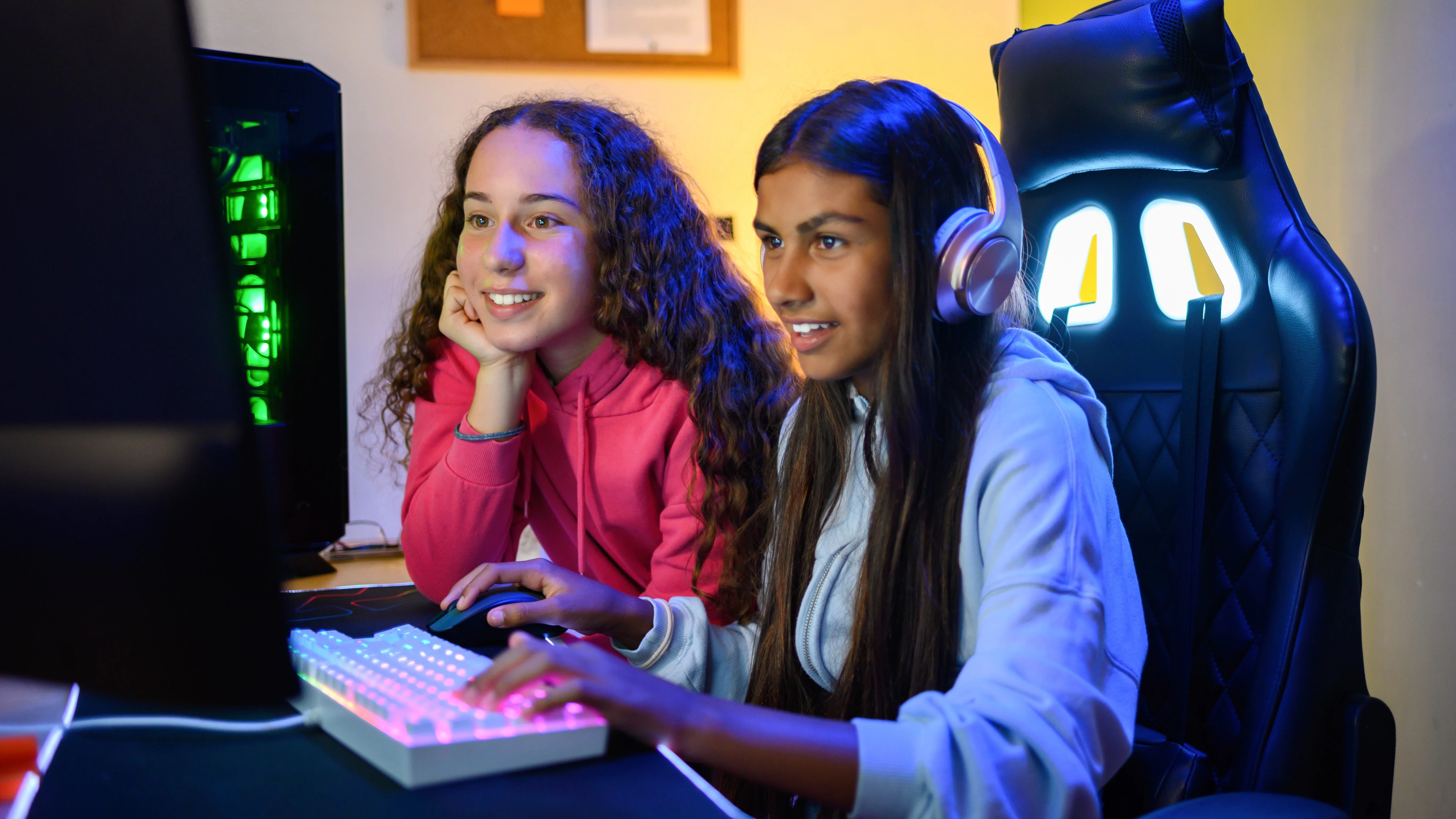
Video games have become an easy target in conversations about young people's mental health, often without much understanding of the positive role they can play. Parents cite them as the cause of anxiety, isolation, and poor sleep. Researchers, meanwhile, keep finding that the picture is far from black and white. Games can be a lifeline for socially anxious kids, a coping tool for those with ADHD, a rare space where isolated teens feel competent and connected.
As the charity director for Safe In Our World, the mental health charity for the people who make games and the people who play them, I can see that contradiction for what it is. I've noticed that the loudest narrative is usually the least useful one.
California is home to more game studios than almost anywhere else in the world. Millions of families in the state of California have a controller or a keyboard in the house, and millions of kids are spending part of their day inside a game world. Treating that entire experience as one undifferentiated mass of "screen time" doesn't help a single one of them.
The truth is more complicated, and more hopeful, than the panic suggests. Some games and online spaces do genuinely contribute to isolation, anxiety or unhealthy habits, especially when kids play without guidance or without anyone paying attention to how they're doing. That's real, and it deserves real attention. But other games do something very different. They give kids a place to problem-solve with friends, to lead a team, to fail and try again without real-world stakes, and to feel like they belong.
Source link

![Hideo Kojima reviews Zach Cregger's Resident Evil: "It reminded me how I felt when I played the first [game]"](https://images.themorningpulse.fyi/uploads/2026/10/rss-mv542ljq-ne5uur-media.jpg)