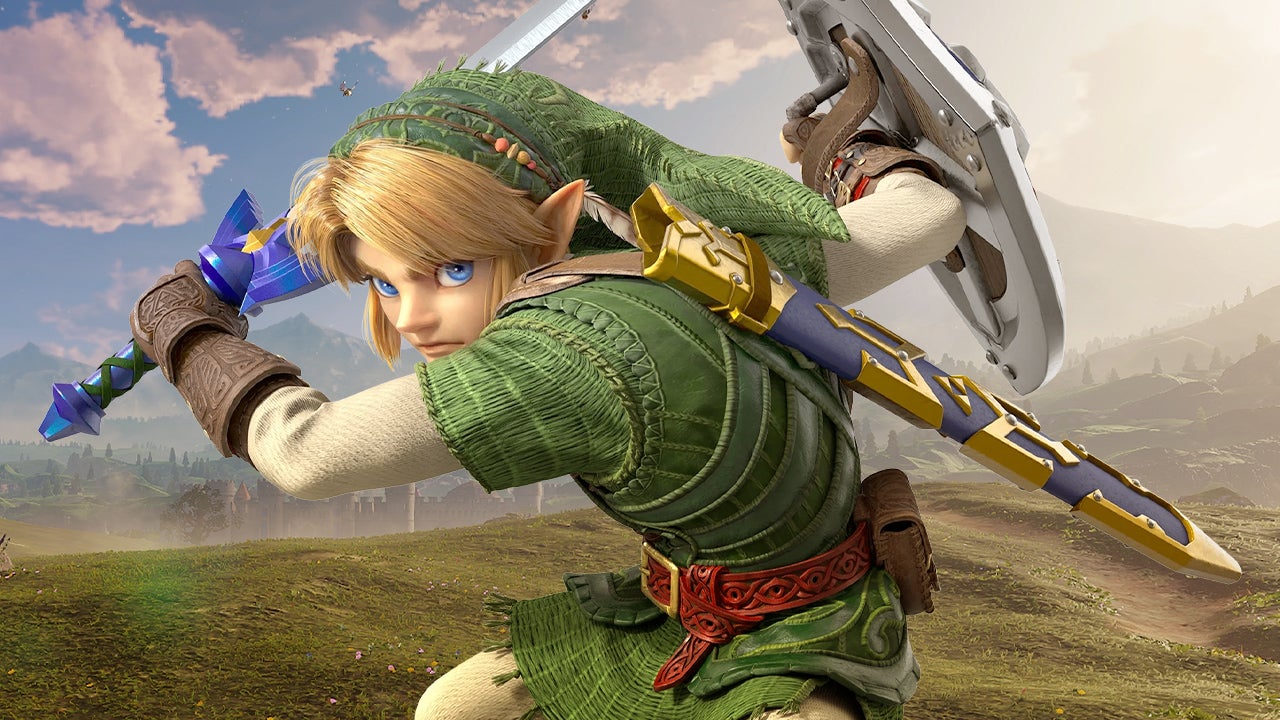
Two eras intertwine in The Legend of Zelda: Ocarina of Time, and Nintendo skillfully commands them both. Link’s journey through the ages melds the world and dungeon design of classic Zeldas with the movement and presentation of its more recent games. This is not an exact one-to-one remake of the Nintendo 64 original, nor is it a complete reimagining. It’s a modern interpretation that adds depth to what was already there through its rich art style and expanded dialogue. Whether you're a returning fan approaching this as a remake of a longtime favorite or a newcomer viewing it with fresh eyes as a standalone adventure, Ocarina of Time is exceptional. I spent 30 hours obsessing over every inch of this beautiful realization of Hyrule – and when I reached the credits, I started over again to find even more of its best-kept secrets.
Link’s quest to stop the evil Ganondorf and save Hyrule proves how much value there still is in the traditional Zelda formula. That means exploring the world to find the next dungeon, unlocking a key item within that helps you solve puzzles and defeat its boss, and then using that tool to uncover new areas. There are also tons of secrets, side quests, and gold spiders to find off the main path. This more linear structure offers a different type of satisfaction than modern Zelda’s open-world adventures, and its signature time travel mechanic – which has you swap back and forth between child and adult versions of Link to progress, complete with a familiar but radically changed world for each – remains interesting to this day.
Source link