
As generative AI becomes more embedded in game development and marketing, studios are having to think more carefully about what happens to their intellectual property throughout any creative process.
For mobile games working with established franchises and licensed brands, that means considering not just what AI can produce, but also what information teams put into these tools and whether the resulting work can still be protected.
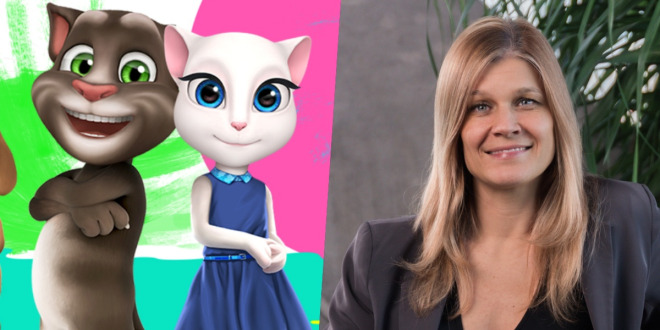
Outfit7, the studio behind the Talking Tom franchise, is among the companies navigating that shift. We spoke with Tina Stockbauer Zagorac, VP of legal at Outfit7, about the copyright, confidentiality and ownership risks that come with bringing AI further into game development.
The introduction of AI changes some of the assumptions that companies have historically been able to make about ownership.
When a developer writes code, or an artist creates a character as part of their work for a company, there is usually a clear chain of ownership. AI-assisted creation can make that process less straightforward, particularly when the extent of human contribution varies.
“From a games lawyer’s perspective, the absolute biggest shift, as AI becomes part of the everyday workflow, is that intellectual property protection is no longer automatic; it must be actively secured, managed and documented,” Zagorac says.
She notes that companies therefore need to treat IP protection as an active part of AI adoption rather than something that can be assumed after the fact.
“In the past, if your team wrote code or designed a character, you automatically owned the copyright.
Source link