Video is now one of the main ways tech companies explain products, share news, and earn trust. Artificial intelligence has made it faster to plan, edit, and repurpose that content. Yet speed alone does not make a video good.
This article looks at what AI tools do well, where they fall short, and how brands can combine them with experienced crews. The goal is better video, delivered faster, without losing the human touch that viewers notice.
Product launches, investor updates, customer stories, and internal town halls all rely on video. Teams need more versions, more formats, and faster turnarounds than ever before.
That pressure explains why so many marketing and communications teams are testing AI tools. These tools promise to cut hours from routine tasks and free up budget for better ideas.
AI is strong at repetitive work. It can transcribe interviews, generate captions, and flag the best moments in long recordings. These tasks once took editors hours.
It also helps with translation, audio cleanup, and rough first cuts. Teams can review a draft quickly and spend their time on creative decisions instead of manual chores.
Writing assistants are useful for outlines and alternate headlines. They give writers a starting point, though the final message still needs a human voice.
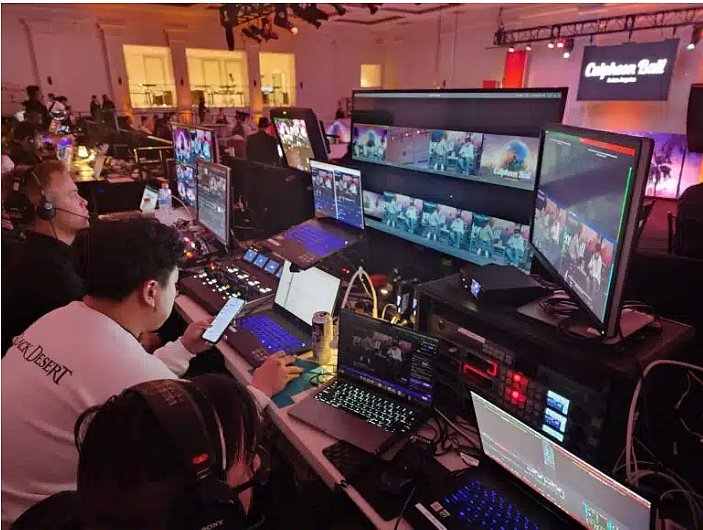
AI cannot replace a skilled crew on set. It does not light an executive so they look confident, or capture clean audio in a noisy ballroom. Those results come from experience and good equipment.
Trust is another issue. Viewers are getting better at spotting synthetic content, and a video that feels artificial can hurt a brand.
Source link