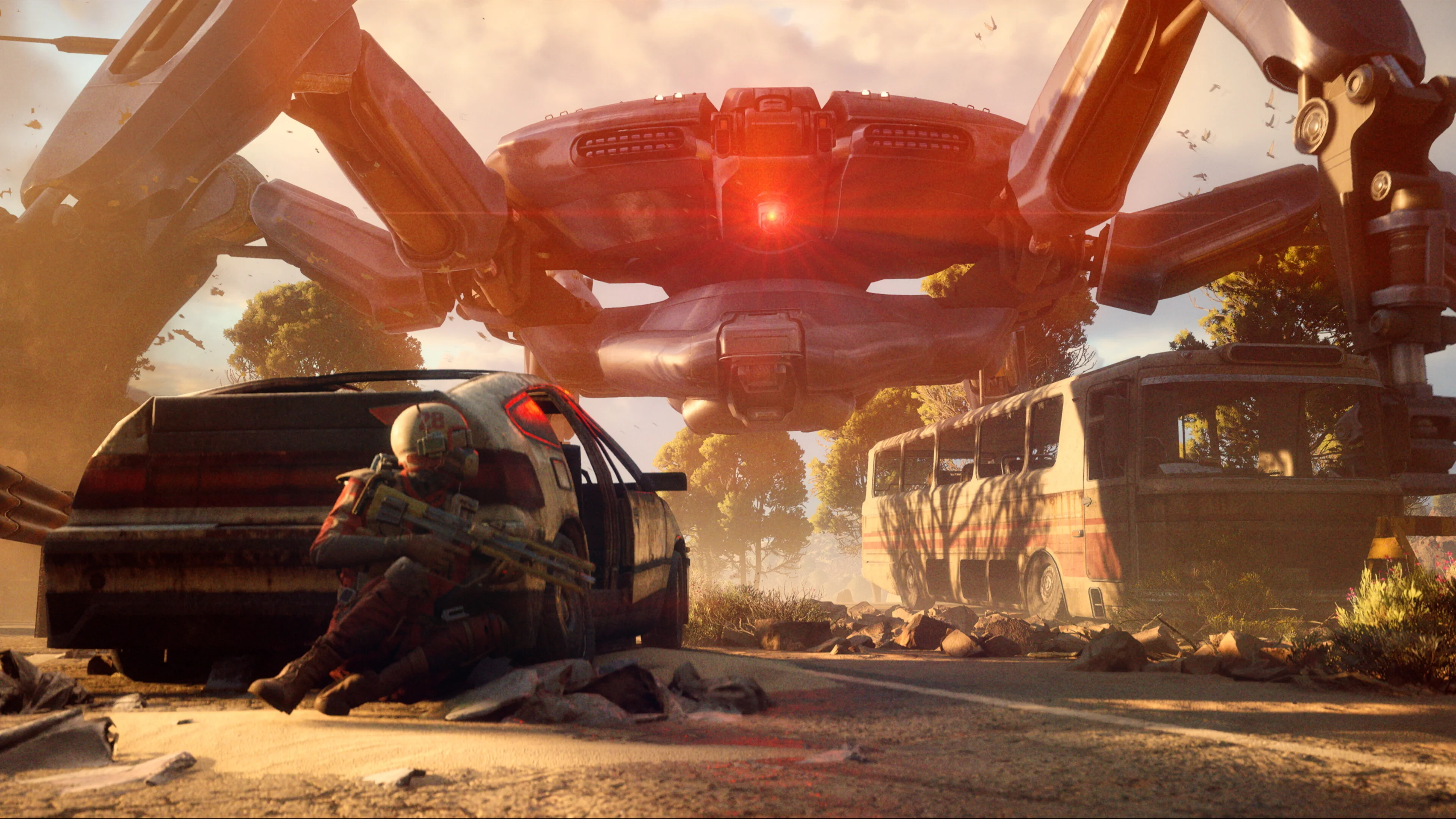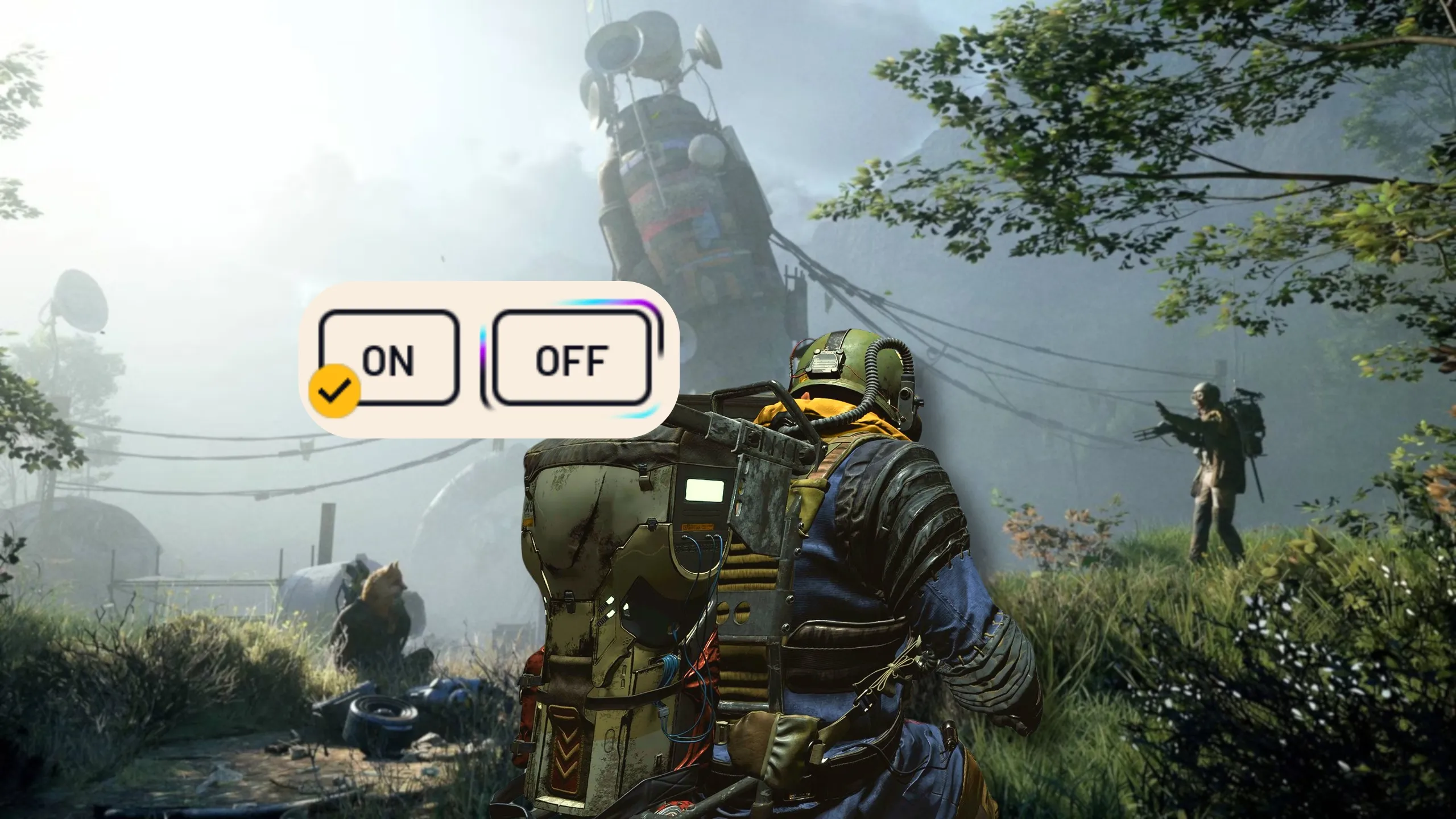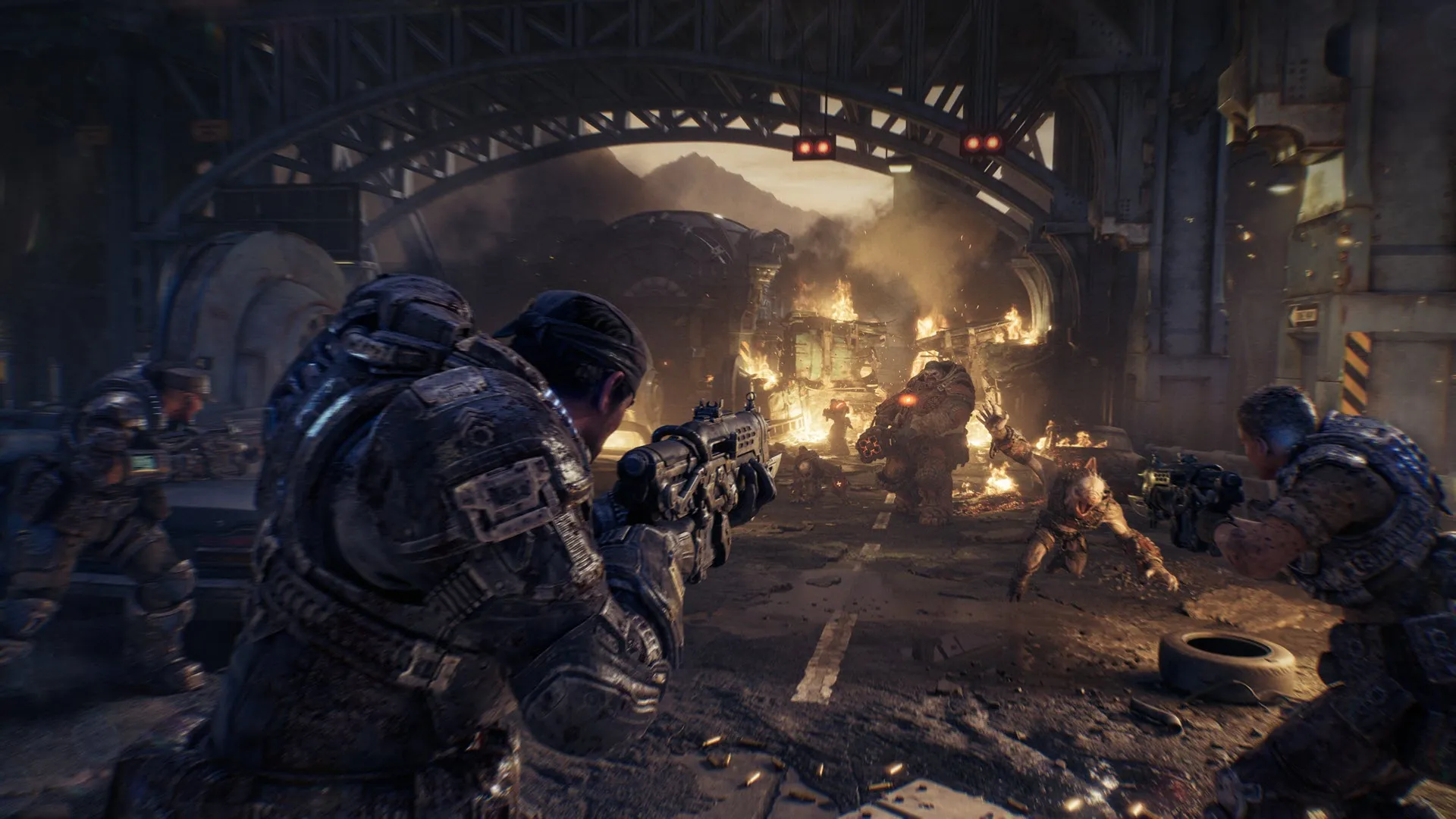
What if the graphics we have today isn’t the most efficient or powerful? Is it possible that graphics processing units (GPUs) need a new kind of rendering infrastructure?
Gacriva Technologies has been asking those questions, and the company thinks that it has stumbled onto something very interesting.
The company is a small game studio based in Baia Mare, a city on a river surrounded by mountains in Romania. Cristian Gajda, CEO of Gacriva Technologies, told me about how the company is working on a new kind of rendering tech that could yield higher visual fidelity in games with hardware that isn’t as bulky or costly as the top of the line graphics today.
Gajda started Gacriva Studio in 2019 as a game studio making original indie games. The team made a few games, but they weren’t hits.
“We started to work on a more ambitious project,” Gajda said in an exclusive interview with GamesBeat.
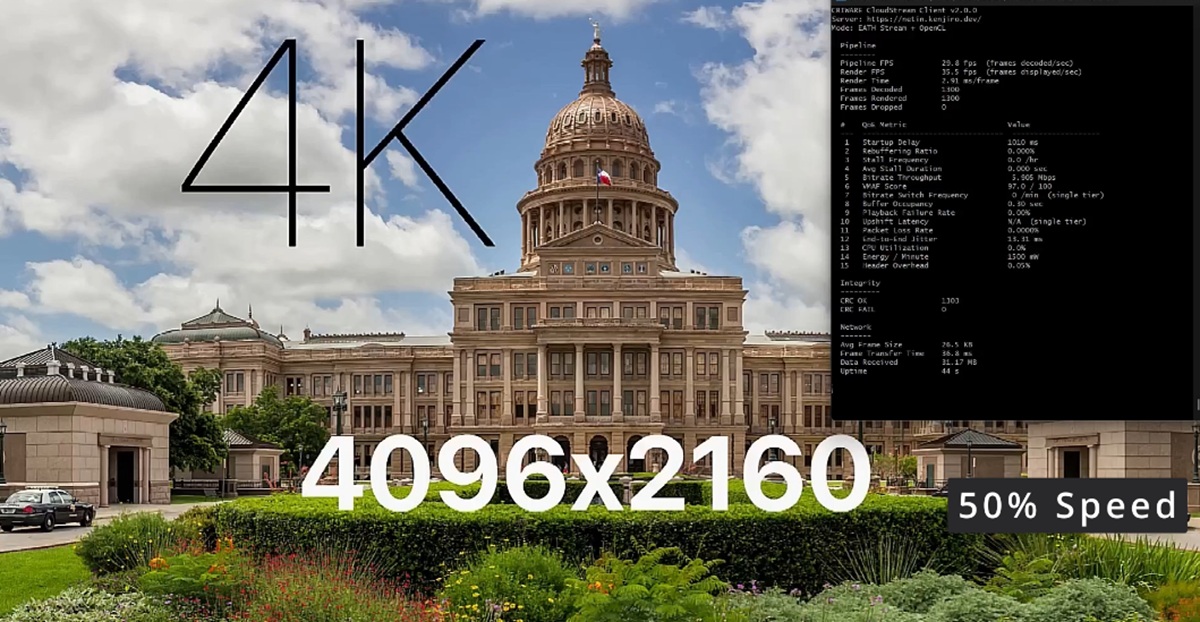
Gajda said that Earth Renderer is a next-generation rendering technology built around what the company calls “hopfions,” a new mathematical representation designed to replace conventional pixels and polygon meshes.
Instead of constructing scenes from millions of triangles and processing every pixel independently like today’s graphics cards, Earth Renderer represents visual information through continuous mathematical structures. This enables highly detailed 3D objects and extreme zoom without visible pixelation. It also enables real-time lighting and shadows without traditional triangle-based calculations, and large-scale collision processing at exceptional speeds.
Earth Renderer is not an AI-generated graphics system. It is a fundamentally different rendering architecture intended to reduce computational complexity, bandwidth requirements and data size while enabling new approaches to real-time graphics, Gajda said.
Source link