On Tuesday, tens of millions of Americans voted in midterm elections to deliver a sweep of generational Democratic victories in federal and state races, reflecting a leftward electoral shift that's being interpreted as a nationwide rejection of Trumpism.
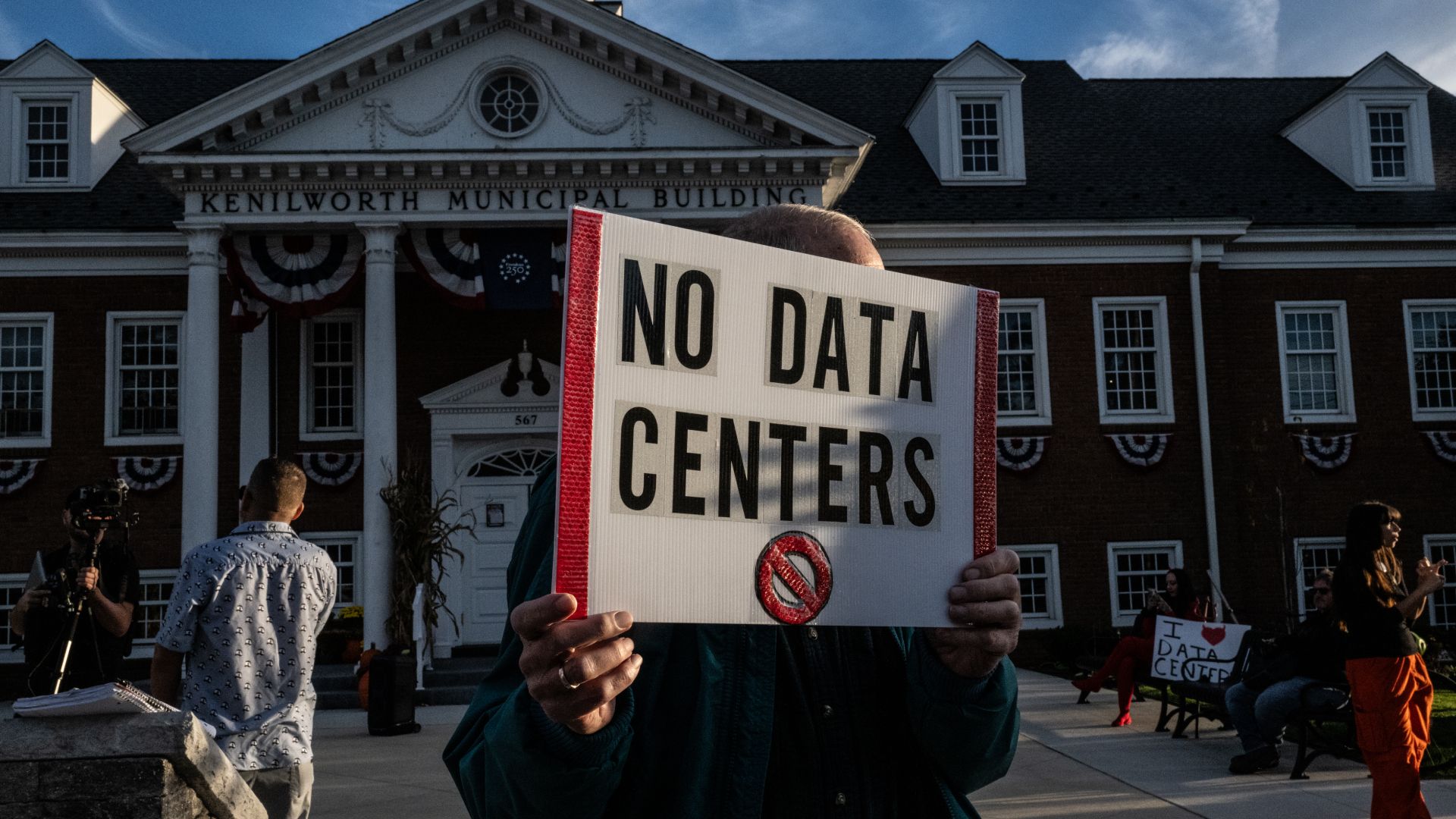
But even as Republican candidates and incumbents suffered defeats in what had traditionally been considered some of the party's most entrenched strongholds, the midterms also issued a stinging rebuke to another major source of voter frustration: Data centers. At nearly every opportunity, Americans voted in favor of local ballot measures to halt, slow, or stymie the pace of data center construction in their communities.
As tracked by Data Centers on the Ballot, across the 47 local midterm elections in the American cities and townships that featured ballot measures on data center construction, voters favored restrictions on the rate of data center expansion in 38 of the 39 completed counts. Of the eight races that remain open, voters supporting additional data center restrictions are leading in all six of the races with only partial reporting. For the two remaining races, no results have yet been posted.
At time of writing, only one ballot measure that would have introduced data center restrictions failed: In Harwood, North Dakota, voters refused an amendment to the city charter that would have required Harwood to commission an independent review before approving new data center construction or expansion.
Aside from that one exception, it's not hard to suss out why so many of those measures have passed. NBC exit polls show that 56% of yesterday's midterm voters considered AI data centers either "crucial" or "a major factor" in their choice of Congress person, with data center opponents driven by concerns of environmental toll, energy costs, noise pollution, and—one must imagine—the upward-spiraling cost of RAM.
Source link