Has every strip for the last 37 years been set in a cat's delusions?
In 2012, Randall Munroe introduced the concept of "today's lucky 10,000" in his webcomic xkcd. He posits that any widely-known fact or idea spreads at a rate of roughly 10,000 people per day. There's really no such thing as something that "everyone knows." If someone you know isn’t familiar with something that you think is obvious, that’s not a failure of theirs. It just means they’re one of the people who get to learn about it today.
If you pay attention to online pop culture, especially on social media and microblogging platforms, you can often see some version of Munroe's lucky 10,000 theory in real time, as new audiences constantly rediscover old material.
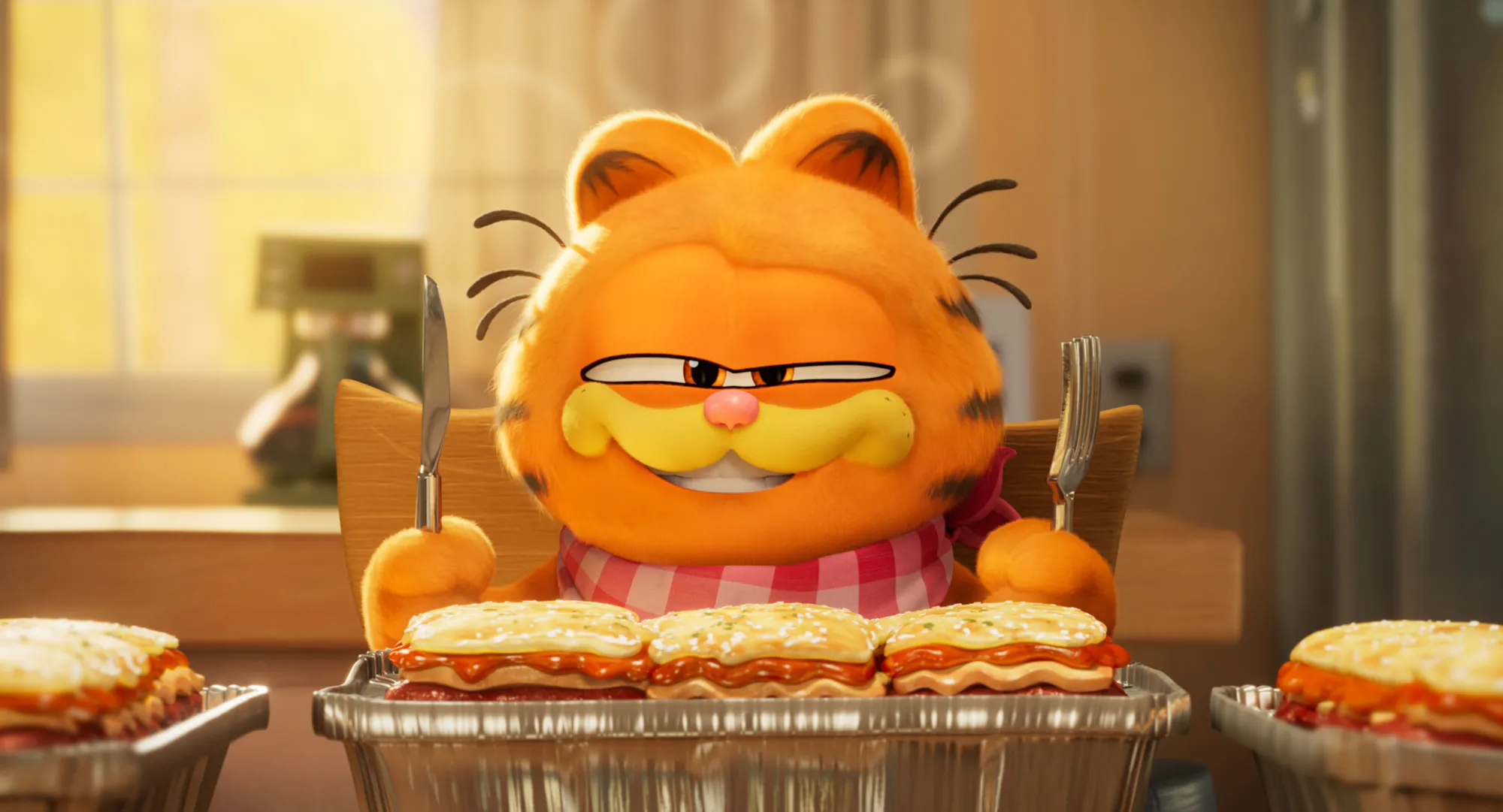
One of the best examples of this recycling process comes from, of all places, Jim Davis's Garfield. 99% of the time, Garfield is a simple gag-a-day comic that relies on a handful of go-to punchlines: an orange cat that eats too much, a stupid dog, and their weird owner. It’s a strip that deliberately revels in the mundane, with jokes about coffee, laziness, and gluttony. Then there's that remaining 1%.
" A useful example is the 1984 graphic novel anthology His 9 Lives , which includes a prose detective story, a science fiction parody, a chase sequence, and a weirdly effective horror short. There’s also the animated special Garfield in the Rough , which ends with an actual fight scene between Garfield and a wild panther.
Source link