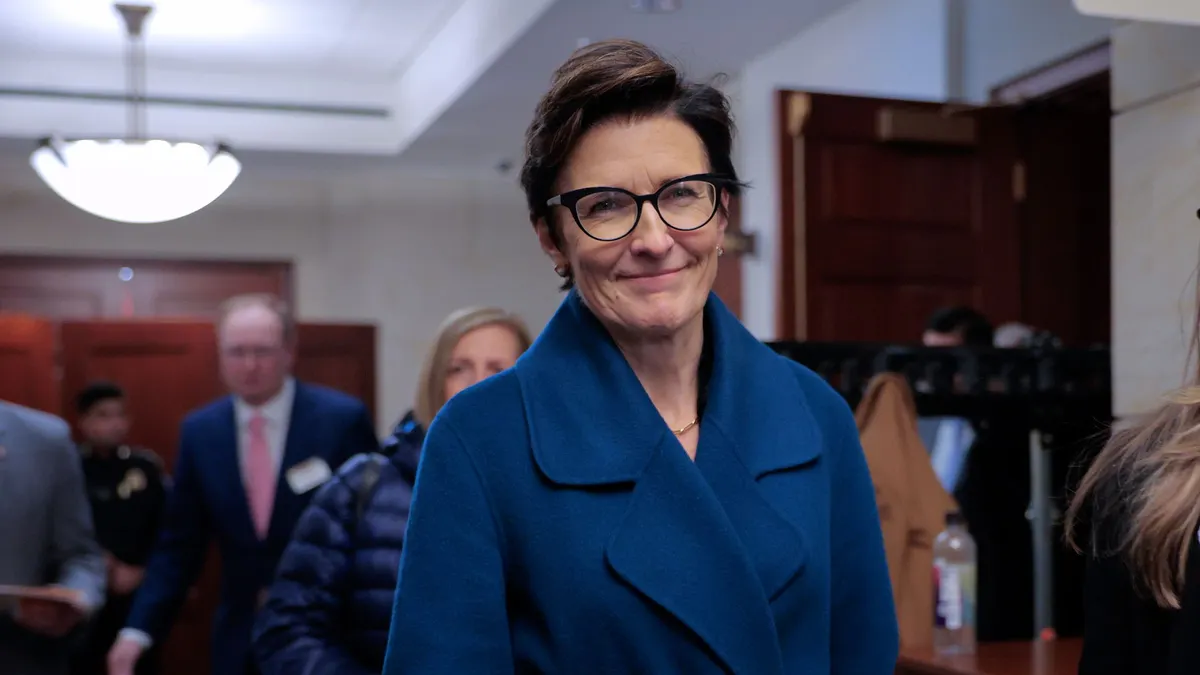
Citi’s Jane Fraser touted faster product launches and reduced vendor spend, while Goldman’s David Solomon urged “rigorous testing” of AI, and “clear human accountability.”
Executives at leading banks are weighing the risks of agentic artificial intelligence as concerns over the technology’s swift development spread.
JPMorgan Chase CEO Jamie Dimon said during a third-quarter earnings call Tuesday the bank is not “against agents or for agents,” pointing to adoption of the technology both for employees and customers.
He said, however, the bank is not ignoring security concerns “because you don’t want rogue agents — and there could be thousands of them.”
As the bank works to build tools to protect customers, it will not allow all outside agents into the JPMorgan Chase environment, Dimon told investors.
“We’re not going to allow just any outside agent to come inside the company because that’s just too risky,” Dimon said.
While protecting customers in the agentic era is top of mind for JPMorgan Chase, the bank is also focused on minimizing lock-in by staying model-agnostic as a strategy to manage AI costs.
Dimon pointed to model routing tools that send queries to the quickest, cheapest models.
“You don’t need the most expensive thing for every query you have and very often people just see the one they’re comfortable with,” he said.
Other banks reporting earnings this week are also assessing the risks of AI agents, outlining the benefits they’re seeing and identifying strategies for managing costs.
At Wells Fargo, CEO Charlie Scharf said the bank is excited for the opportunities AI presents to both the company and customers, but is also “taking a disciplined approach to managing risk.”
Source link