Proposed UPI charges may push street vendors towards cash, finds ISB study
Nearly 70% of surveyed vendors make supplier payments exceeding Rs 2,000 at a time, placing these transactions above the proposed MDR threshold. While eligible small vendors are exempt from MDR on their own receipts, payments they make to suppliers could attract charges if the suppliers fall within the categories covered by the framework.
Between 45% and 53% of vendors across city tiers said they could reduce UPI acceptance if the proposed charges are introduced. While 67% of surveyed vendors accept UPI, only 52% are aware of the proposed MDR framework, with many unclear about its applicability. Around 10.4% of vendors said suppliers had demanded additional charges for UPI payments even before the proposed framework was implemented. ISB has recommended pilot implementation and an independent assessment of UPI operating costs to gauge the impact on supplier pricing, consumer costs and cash usage.
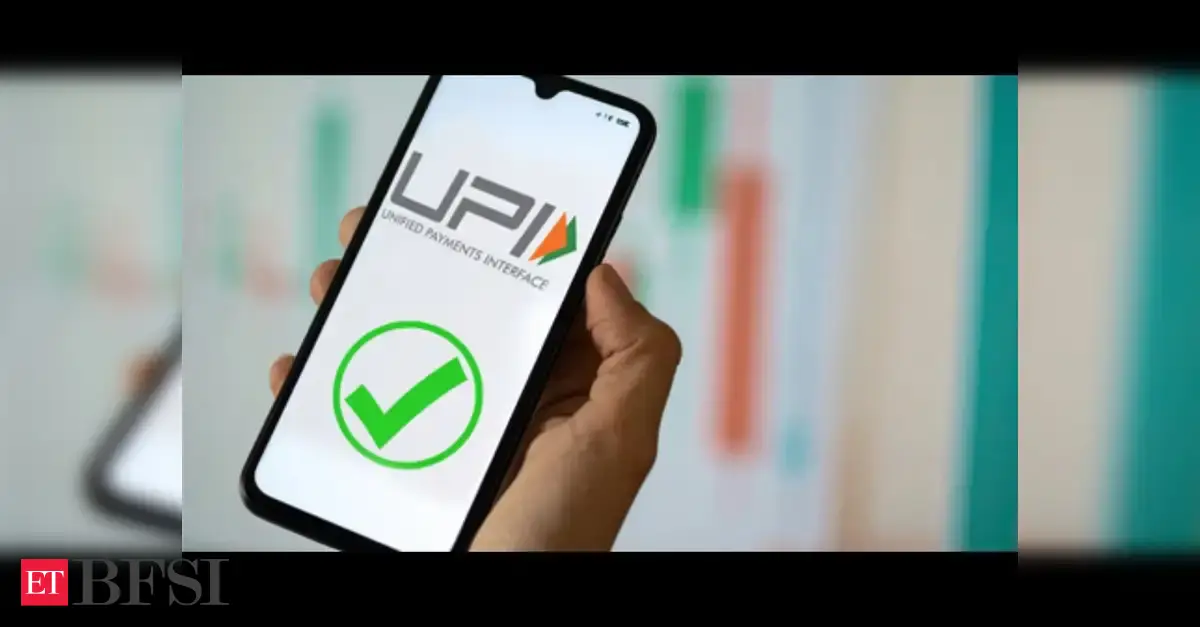
Nearly half of street vendors could reduce UPI acceptance if merchant discount rate (MDR) charges are introduced, highlighting the potential impact of transaction fees beyond large merchants, according to a survey by the Indian School of Business (ISB). While eligible small vendors may remain exempt from charges on their own receipts, nearly 70% make payments exceeding Rs 2,000 to suppliers, exposing them to potential indirect procurement costs if suppliers pass on the charges. A study by the Centre for Analytical Finance (CAF) at ISB, based on a survey of 722 street vendors across 14 States and Union Territories and 64 urban local bodies, found that 45-53% of respondents across city tiers would reduce UPI acceptance if the proposed MDR framework were implemented.
Source link