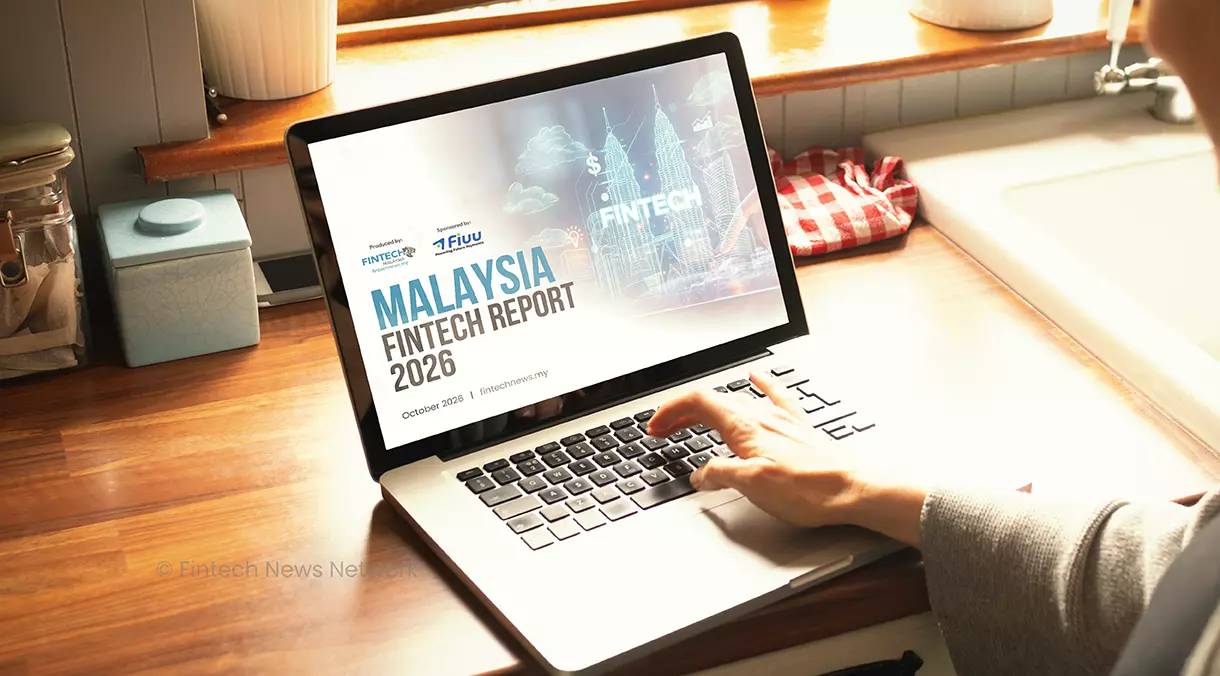
Malaysia’s fintech sector is growing, but the more revealing story is what people are beginning to use it for, according to the latest Malaysia Fintech Report 2026.
For one, Malaysians made 18.4 billion e-payment transactions in 2025. Paying digitally is now routine, and the next phase goes well beyond payments.
Banks are testing tokenised deposits for cross-border payments and securities settlement. An open finance pilot involving seven banks and the Employees Provident Fund is exploring what happens when providers can see a person’s full financial picture, with consent from the consumer.
For certain players in the industry, growth comes at a cost. Four of Malaysia’s five digital banks reported wider losses in their latest financial year, even as they expanded their offerings.
The Malaysia Fintech Report 2026 maps these shifts and more, showing clarity on where the market is heading to next.
BNPL is increasingly being used for smaller, everyday purchases in Malaysia. Active account holders reached 7.5 million by 2025, more than double the 3.4 million recorded two years earlier, according to the Consumer Credit Commission.
In the second half of 2025 alone, Malaysians made 140.4 million BNPL transactions worth RM12 billion. Transaction volume rose 36.8% from the preceding six months, while value increased 29%.
The average transaction was RM85, with spending spanning food and dining, retail purchases, transportation and services. Consumers aged 30 and below accounted for around 40% of both transaction volume and value.
Despite having 16 providers, including four Shariah-compliant players, the market remained concentrated towards SPayLater , Atome , TikTok , and Grab PayLater .
Source link