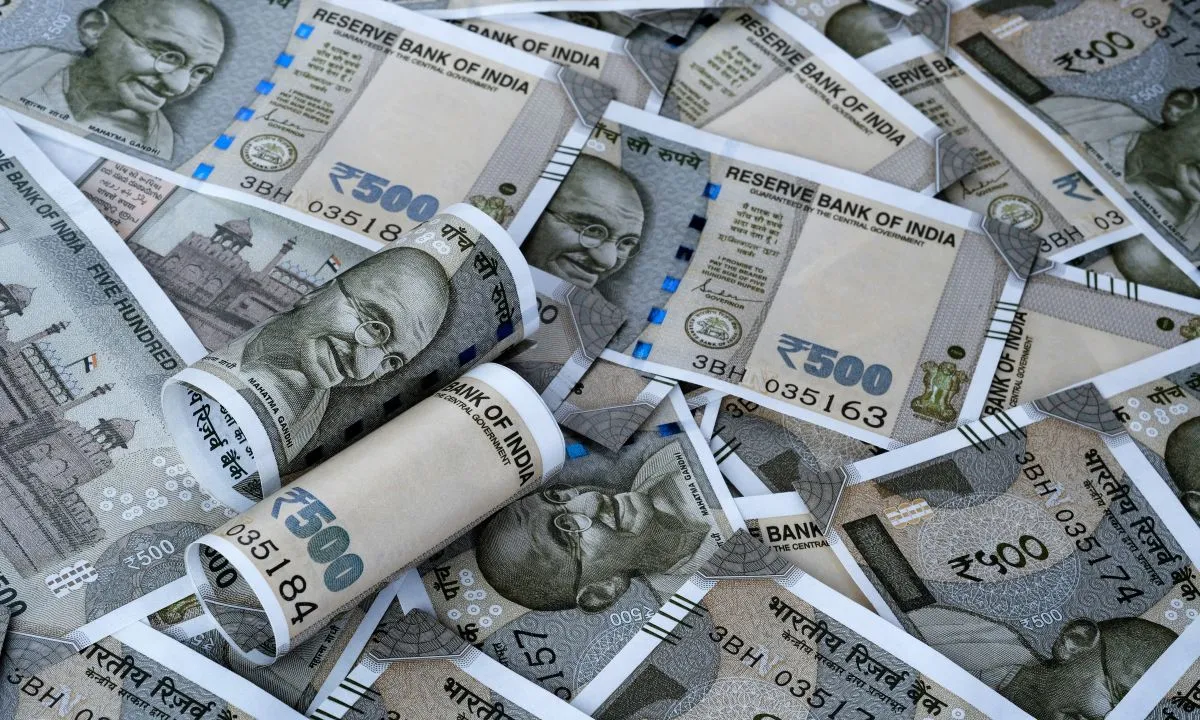
Indian consumers are reportedly increasing their cash usage ahead of new fees on the country’s popular digital payment system.
Complete the form to unlock this article and enjoy unlimited free access to all PYMNTS content — no additional logins required.
Beginning next month, the United Payments Interface (UPI) system will apply a small fee on all transactions greater than 2,000 rupees, or around $21.
But as the Financial Times (FT) reported Sunday (Oct. 18), that change isn’t sitting well with Indian businesses. The report cited a survey from polling agency Local Circles showing that 83% of merchants were not willing to bear the additional costs.
The report said this fee could be a blow to the 10-year-old UPI, one of the world’s most widely used digital payments systems.
As FT noted, the launch of UPI coincided with a government effort to take large denomination bills out of circulation. However, use of physical currency has remained popular, with around 2.3 times as much cash in circulation now than 10 years ago.
Please add us to your preferred sources list so our news, data and interviews show up in your feed. Thanks!
“Currency in circulation continues to grow at double-digit rates even as cash’s share of individual transactions declines, thanks to growing digital payment adoption,” Reserve Bank of India (RBI) Deputy Governor Shirish Chandra Murmu told FT, referring to this dynamic as the “cash paradox.”
Meanwhile, uptake of UPI has also soared as a way to pay vendors, cover groceries or restaurant bills, and make money transfers.
Source link