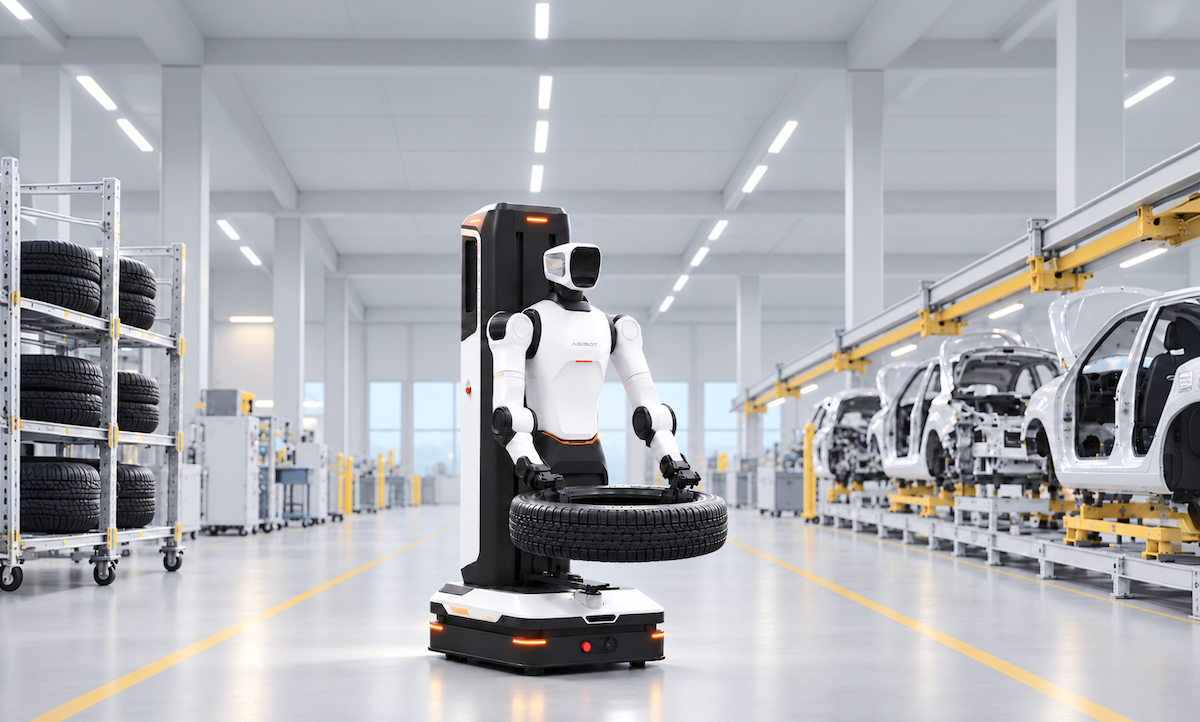
AGIBOT introduced Worken on Oct. 29 as “effective intelligent work hours,” calculated as active robots times autonomous working hours times an output efficiency ratio measured against a task benchmark.
Agility Robotics and Figure AI publish operating data such as totes moved and factory shifts worked, but the figures cannot be compared with one another or turned into a return.
Only 5% to 10% of large U.S. enterprises report a full payback on AI spending, PYMNTS Intelligence found, the same gap between output and return that Worken leaves open for robots.
The robotics industry has measured progress by machines shipped, tasks demonstrated and hours logged. China’s AGIBOT is proposing a different benchmark: how much useful work the machines deliver. The humanoid maker introduced Worken at its AGIBOT Innovation Day on Oct. 29, a metric it defines as “effective intelligent work hours,” calculated by multiplying the number of active robots by their autonomous working hours and an output efficiency ratio that compares completed work with a benchmark for the task.
Complete the form to unlock this article and enjoy unlimited free access to all PYMNTS content — no additional logins required.
The proposal addresses a gap that widens as robots move from demonstrations into warehouses. Vendors can report rising deployments without showing how much productive work those deployments produce.
Three inputs make up the score, according to AGIBOT. The first counts only robots performing tasks in live environments, not units built or sitting in inventory. The second counts hours the robot works without a person stepping in.
Source link