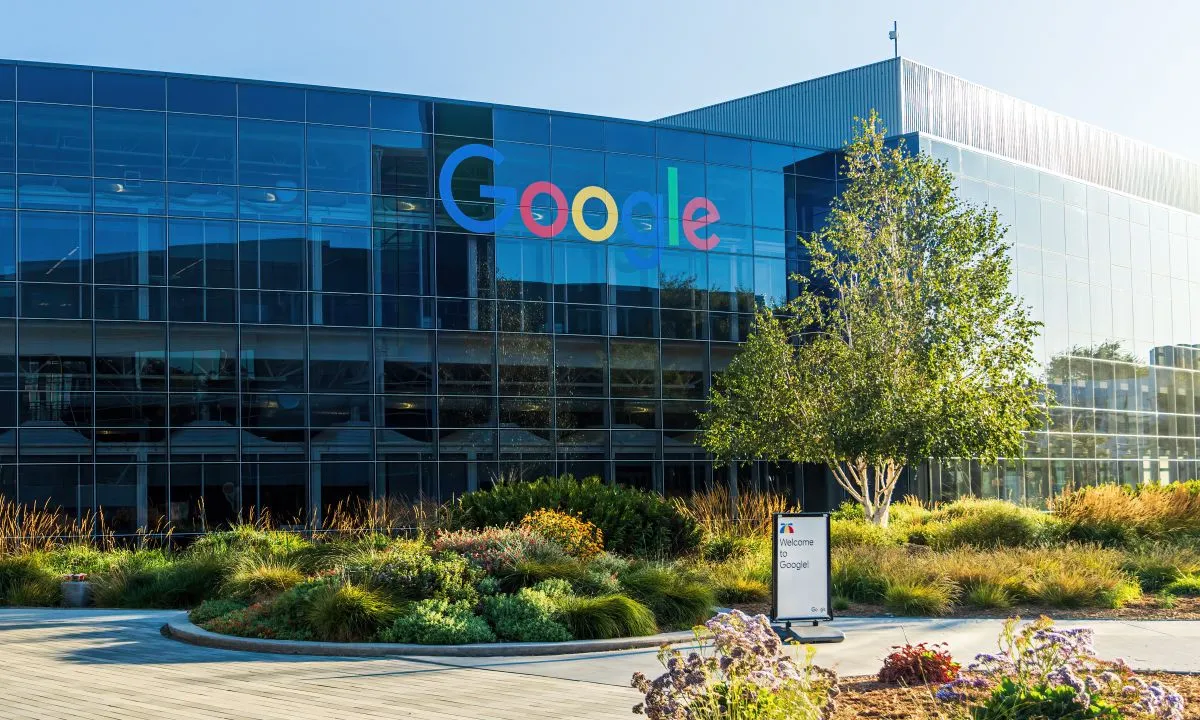
Alphabet’s third-quarter results put a familiar fear back in focus: Big Tech’s artificial intelligence spending could outrun the earnings and cash needed to justify it. Google’s parent spent $51.4 billion on capital investments and reported negative free cash flow of $9.1 billion. But beyond the spending bubble concerns, executives outlined a development that could prove more consequential for AI’s future: Agents that help people make purchases and complete tasks across Google’s products.
Complete the form to unlock this article and enjoy unlimited free access to all PYMNTS content — no additional logins required.
On Wednesday’s (Oct. 28) earnings call, CEO Sundar Pichai described plans to bring capabilities developed for enterprise customers to consumers, starting with the Gemini app’s billion users. Booking reservations, filling out forms and scheduling appointments are among the tasks Google wants AI to handle.
“Agents will operate as a unifying layer across our products,” Pichai said, describing an expansion into Chrome, Android and Workspace alongside Search and Gemini.
During the analyst Q&A, Pichai said reaching that scale requires more than capable AI models. Google needs versions that work efficiently, respond quickly and operate securely around the clock. It started with enterprise customers because their requirements for security and oversight are particularly demanding.
“Later this year, we will bring that same experience to consumers, obviously starting with 1 billion users in our Gemini app,” he said.
For retailers and payments companies, the practical foundation is the Universal Commerce Protocol, a common framework supporting checkout across Google. Chief Business Officer Philipp Schindler said it enables direct checkout for hundreds of thousands of brands, including Chewy, Nike and Tapestry.
Source link