

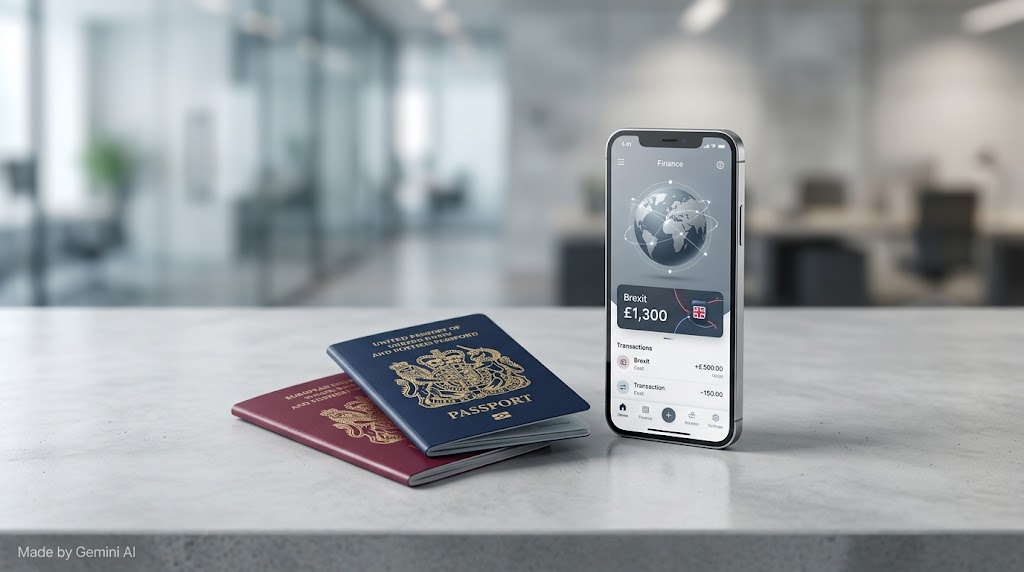
Passporting did not emerge overnight. Its foundations run through the Treaty of Rome in 1957, which established freedom of establishment and capital movement, through the First and Second Banking Directives of 1977 and 1989, and culminated in the launch of the EU Single Market on 1 January 1993. The Second Banking Directive introduced the decisive mechanism: a single home-state licence with home-state supervision, meaning a firm regulated by the FCA in London could notify other member-state regulators of its intention to serve their markets without requiring a separate authorisation from each. That notification was a courtesy, not a permission request.
The Single Market transformed London into the default gateway for global firms seeking pan-European reach. US banks, Australian lenders and Asian financial institutions all anchored European operations in the UK, partly because of deep capital markets and a mature legal framework, and partly because a single FCA licence covered 450 million EU consumers alongside the domestic UK population of roughly 70 million.
Brexit severed that arrangement. UK-regulated fintechs suddenly faced the task of obtaining fresh licences in EU jurisdictions simply to continue serving customers they already had. The commentary describes the process as consuming management time that should have gone into product development, replacing supplier meetings with regulatory road trips to Luxembourg, Malta and the Netherlands.
The structural consequence is a permanently higher cost base. Firms operating across both markets now run two compliance functions, two sets of executive teams, two audit cycles and two regulatory reporting streams. The author’s assessment is direct: no matter how well a fintech subsequently performs, it would always have been more viable in the pre-Brexit passporting environment.
Source link