At a closed-door roundtable at the GFTN Insights Forum during the Singapore Fintech Festival 2025, one participant, who runs a banking operations platform, described the challenge of human fatigue. The team had put AI agents to work on suspicious activity reports, with a human in the loop reviewing each submission before it went to the regulator.
Working together, the AI and its human reviewers cut processing time from six hours to five minutes. But things started to change shortly after. The participant shared,
“We got to a point where our operators were not reviewing submissions properly because they were so convinced of the reliability of the agentic output. We now have to deliberately insert mistakes so that reviewers stay sharp.”
It’s easy to see how something like this can happen. When AI becomes that fast and good, the human check starts to feel like a formality, and people are lulled into trusting its decisions.
Institutions are still working out how to govern that trust. Until they do, it will be a struggle to move AI agents beyond the pilot, and the numbers bear this out:
According to KPMG, 99% of companies plan to put agents into production, yet only 11% have done so.
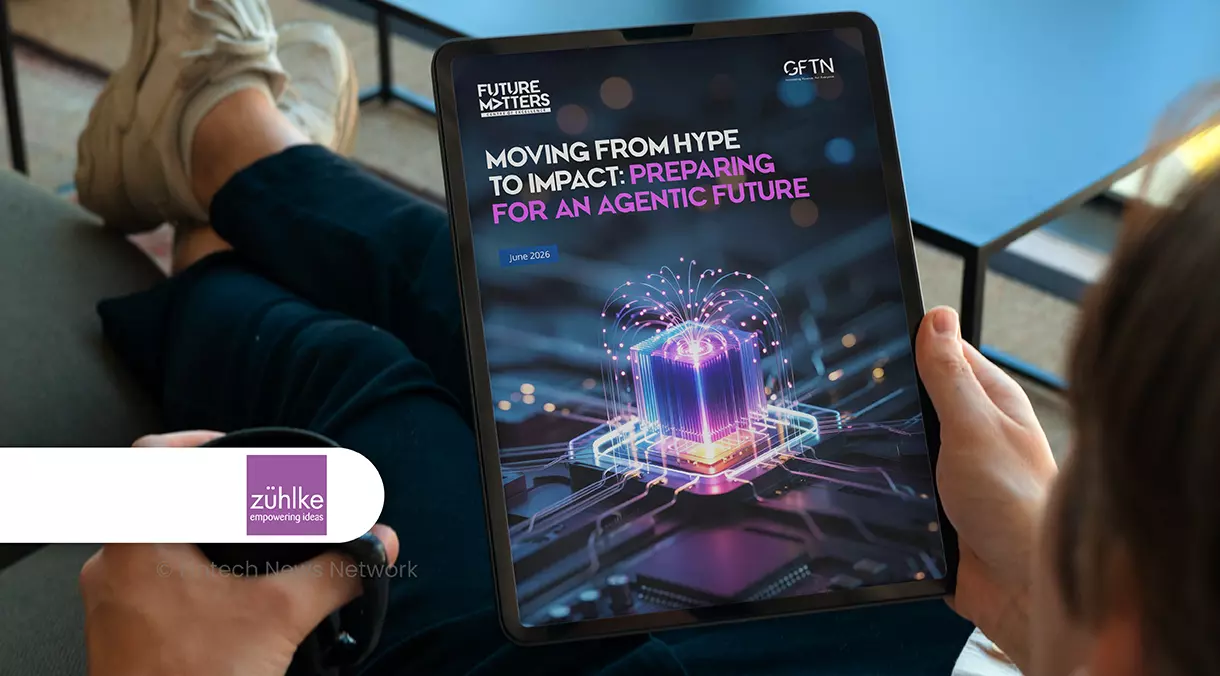
The GFTN report, produced in partnership with Zühlke, “Moving from Hype to Impact: Preparing for an Agentic Future,” distilled timely insights from the roundtable on scaling agentic AI, which included senior leaders of global banks, regulators, and technology firms as participants.
Source link