
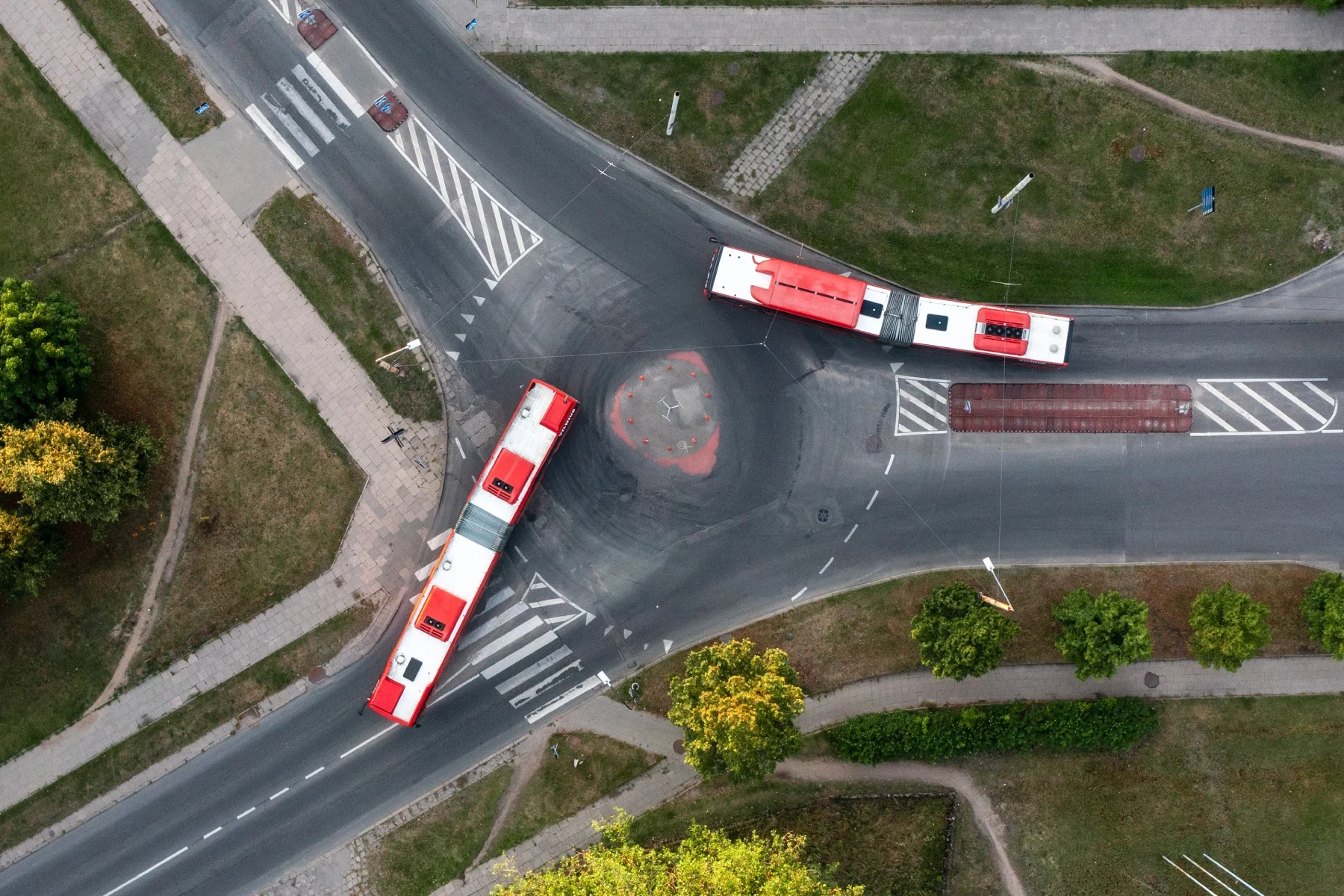
VVT, the public transport operator for Vilnius, continues to electrify its fleet. Thanks to €110 million from the CEB and EIB, the city can introduce 161 emission-free buses and the requisite charging infrastructure.
Vilnius, the capital of Lithuania, has set itself the goal of becoming climate-neutral by 2030. To achieve this, public transport operator Vilniaus Viešasis Transportas (VVT) is continuously expanding its electric fleet. The order for the procurement of 145 electric buses was awarded as early as 2025, backed by €55 million in EU funding for the purchase of a total of 275 e-buses.
Now, a loan of €110 million is giving further momentum for the expansion of public transport in Vilnius. The European Investment Bank (EIB) and the Council of Europe Development Bank (CEB) are each contributing €55 million euros to the financing package, which will be used for the procurement of an additional 161 new electric and hydrogen buses, as well as the expansion of the associated charging infrastructure.
According to the EIB, this will create one of the largest zero-emission bus fleets in the Baltic region in the 600,000-inhabitant city. The project is scheduled for completion by the end of 2027. VVT plans to build 145 new charging stations and modernise existing depots. Older diesel and liquefied petroleum gas vehicles are to be phased out. The deployment of the new buses is intended not only to reduce smog and noise in Vilnius but also to improve comfort for passengers.
“Vilnius demonstrates how European cities can translate their climate goals into tangible improvements for their citizens,” comments EIB Vice-President Karl Nehammer.
Source link