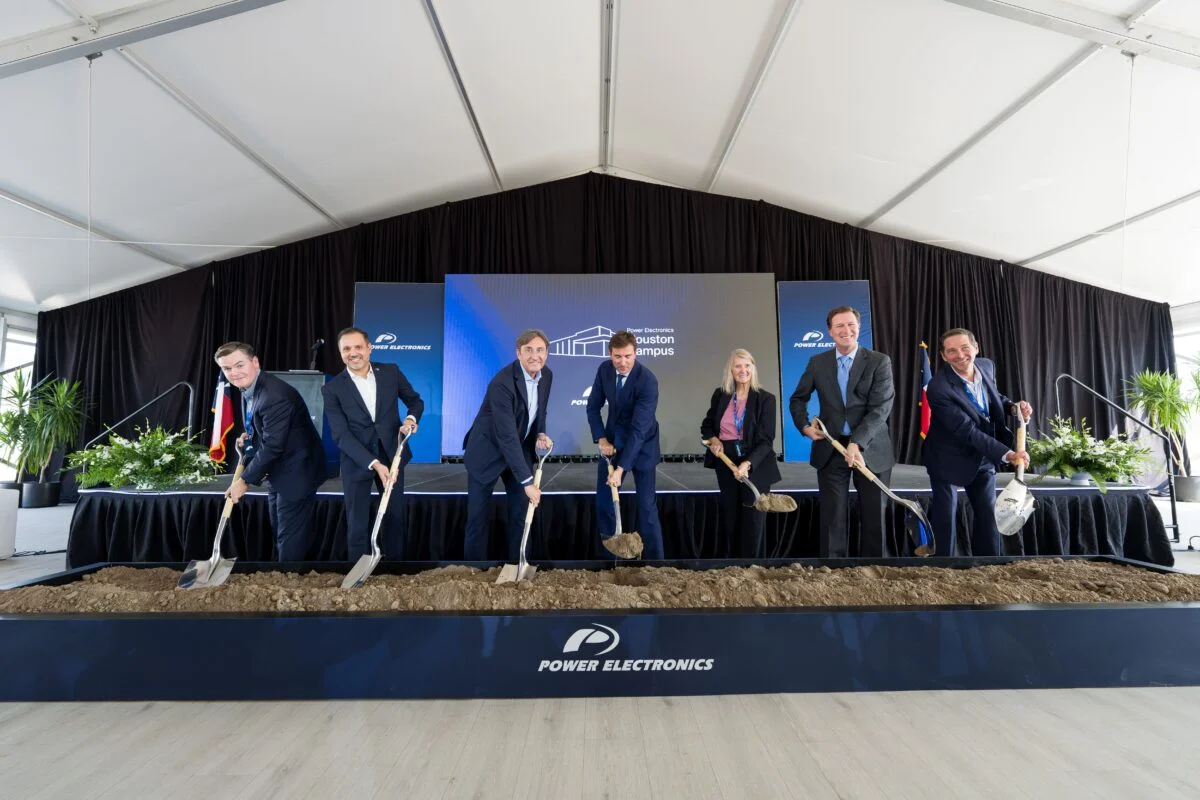
The Spanish company said the Houston campus will become its most automated inverter production site to date and claimed it represents long-term investment in US industry, skilled employment, technological innovation, and energy infrastructure.
The new campus will bring Power Electronics’ total annual production capacity worldwide to 105GW.
The announcement comes amid growing demand for power electronics from both the energy and, increasingly, data centre markets, coupled with a growing appetite for a US-based domestic content supply chain.
Earlier this month, the sale of US-headquartered power electronics manufacturer EPC Power Corp to manufacturing group Flex was agreed by owners Goldman Sachs Alternatives and Cleanhill Partners, in a deal worth US$4.4 billion.
The transaction brings to an end Goldman Sachs Alternatives and Cleanhill Partners’ four-year ownership of the inverter manufacturer. During that time, other power electronics companies have also been the target of M&A activity within the battery energy storage system (BESS) industry, perhaps most notably US system integrator Powin and then subsequently Hitachi Energy’s purchase of Eks Energy after Powin went out of business.
In the solar sector, ABB recently re-entered the power electronics market with the acquisition of Gamesa Electric and its line of solar PV and battery inverters in 2025, followed by the launch of a product portfolio based on Gamesa Electric IP a year later.
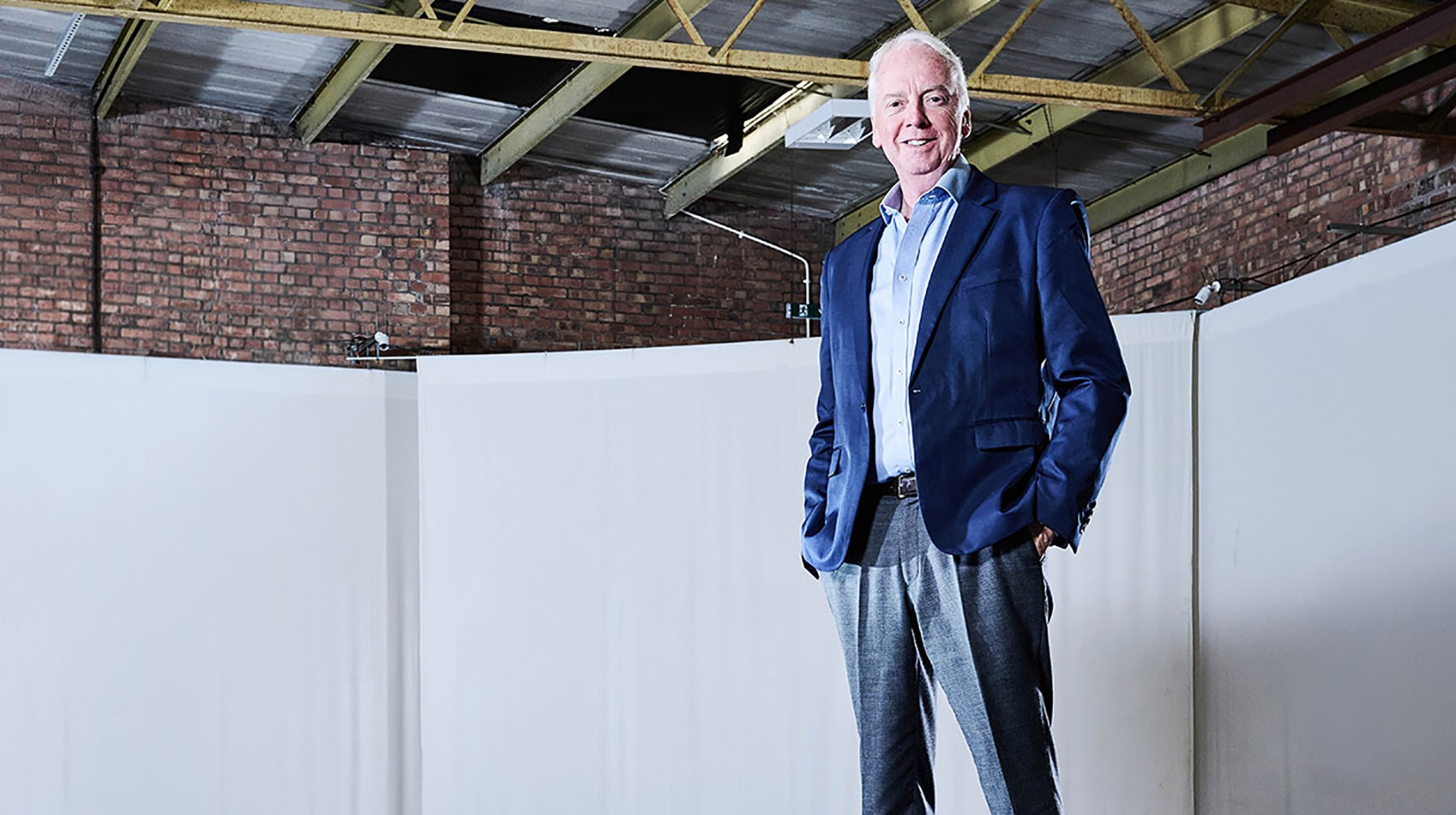
Limited access to technologies that can expand and enhance the grid was identified by Drew Baglino, founder and CEO of Heron Power, as a bottleneck to meeting rising electricity demand.
The former Tesla senior VP of powertrain and energy engineering hopes his new power electronics startup will be able to produce up to 40GW of its Heron Link integrated power conversion solution annually from a factory in Morgan Hill, California, by late 2027.
Source link