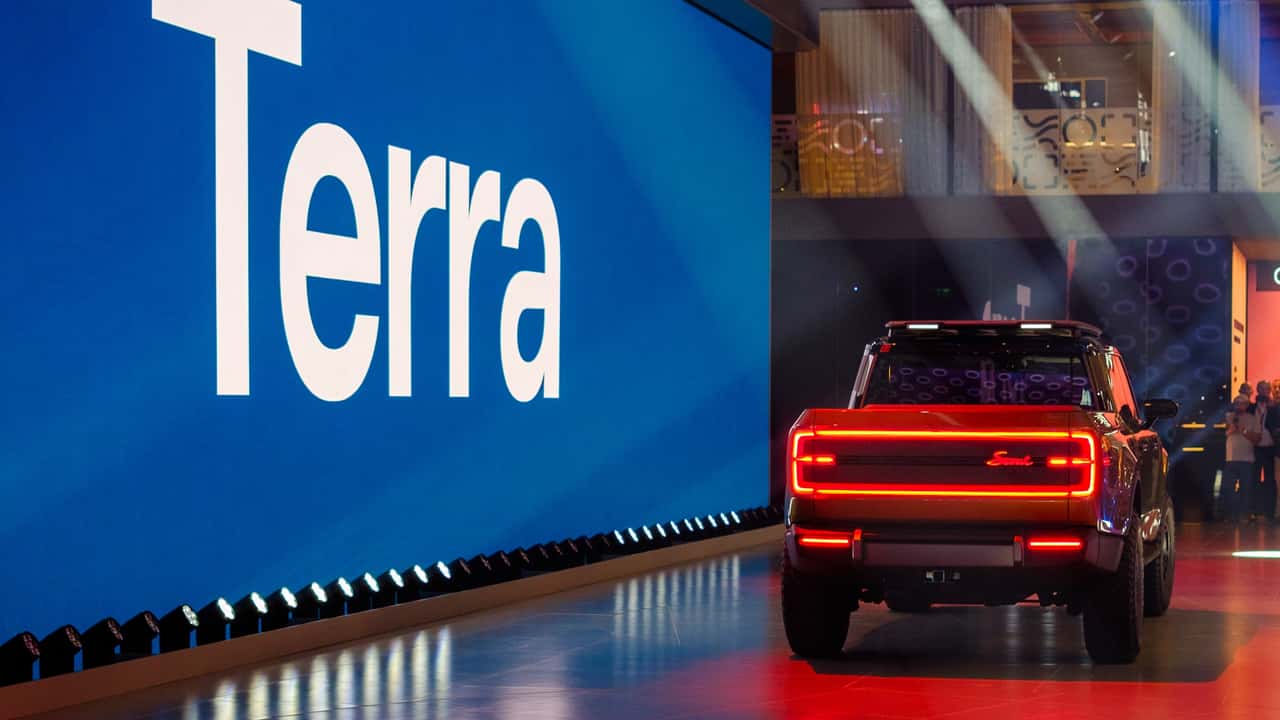
Scout's new South Carolina factory has started producing vehicles, the company announced Thursday. They're not production cars, and they're not for sale, but it's a big step on the company's path to market.
The factory is now building validation vehicles that will be used for further development. That means they'll be undergoing real-world testing and refinement, and be used to iterate the production process and final vehicle design.
The company has about a year to learn those lessons before it is supposed to start producing final, sellable models. It has said that production of sellable vehicles will begin next year, with first deliveries set for 2028. In a world where so many EVs have been delayed or canceled, too, the company is publicly signaling its intent to deliver.
That doesn't mean it's been an easy road. The company's "Harvester" extended-range electric vehicles (EREVs) have proven far more popular among pre-orderers than the company expected, with the vast majority of reservation holders skipping the purely electric option. That's why the range-extended Traveler SUV will launch first, followed by the Terra pickup and pure-electric models. Like most automakers, the company seems to have overestimated demand for the pure electric models when it was initially announced.
The entire segment has largely been creamed. The two most popular all-electric truck models—the Ford F-150 Lightning and Tesla Cybertruck —have both been canceled as of last week . Buyers have proven unwilling to pay a large premium for purely electric trucks. That's why Ram killed its all-electric truck program in favor of an upcoming EREV truck , why the next Lightning will get a range extender , and why Scout is focusing on the Harvester models.
Source link