
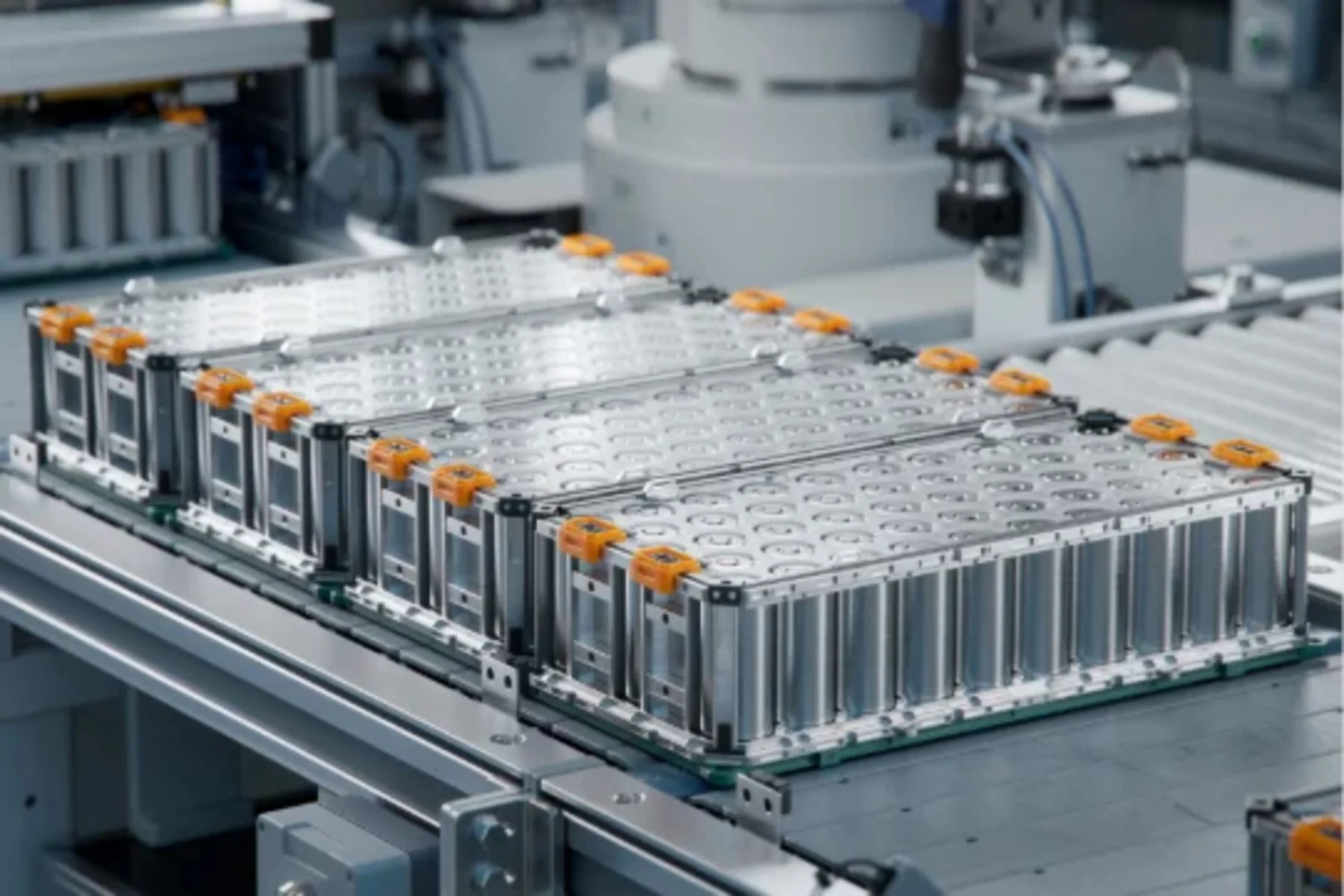
Researchers at Rice University in the US have developed a process that can produce synthetic graphite for fast-charging lithium-ion batteries in just 0.2 seconds. At the same time, the process could significantly reduce the synthetic graphite production energy usage and production costs of the anode material.
A battery’s charging speed is limited by how quickly lithium ions can be inserted between the carbon layers of graphite. The conventional method of producing synthetic graphite requires a high energy input. A research team led by chemistry professor James Tour at Rice University in Houston has now developed a process that aims to address both challenges. The scientists have published their findings in the journal Advanced Materials.
The starting material is petroleum coke, a relatively inexpensive, carbon-rich byproduct of petroleum processing, to which the researchers add a small amount of a nickel compound. The mixture is then heated to around 2,500 degrees Celsius using a short electrical pulse. Within 0.2 seconds, this produces graphite with a highly ordered carbon structure and few structural defects.
“The nickel acts almost like a temporary construction worker, helping the carbon atoms organise themselves into a highly ordered, layered graphite structure,” explains Haojie Zhu, the study’s first author. Normally, producing graphite requires prolonged heating at extremely high temperatures.
The choice of temperature is also critical: if the temperature is too high, a large portion of the nickel is lost, while at lower temperatures, a less ordered graphite structure forms. 34 nanometres. This allows lithium ions to be inserted more easily during charging.
Source link