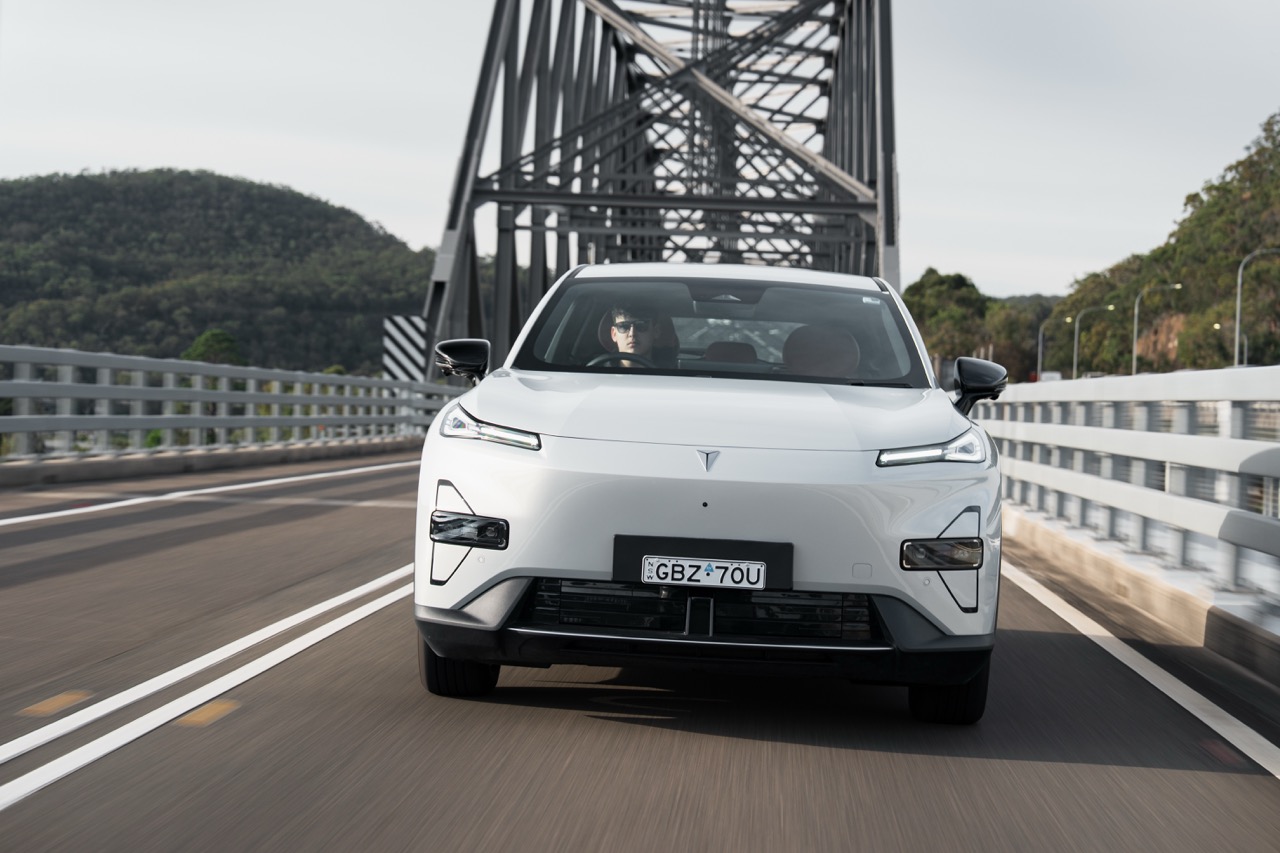
The Chinese automotive giant behind the Aion brand of electric vehicle sold in Australia has a sweeping ambition that spans the globe, with one major exception: North America.
The large graphic screens in the headquarters of Guangzhou Automobile Group Co, or GAC, in the south of Guangdong province display sales outlets across Europe, Africa and including Australia and New Zealand.
The state-owned but listed automaker had a design office in Los Angeles to go with their outputs in Milan, Italy and Shanghai, but that has gone now too. Tariffs imposed by the Trump administration, with fresh threats issued this week, mean the Chinese carmaker is targeting more welcoming markets in the near term.
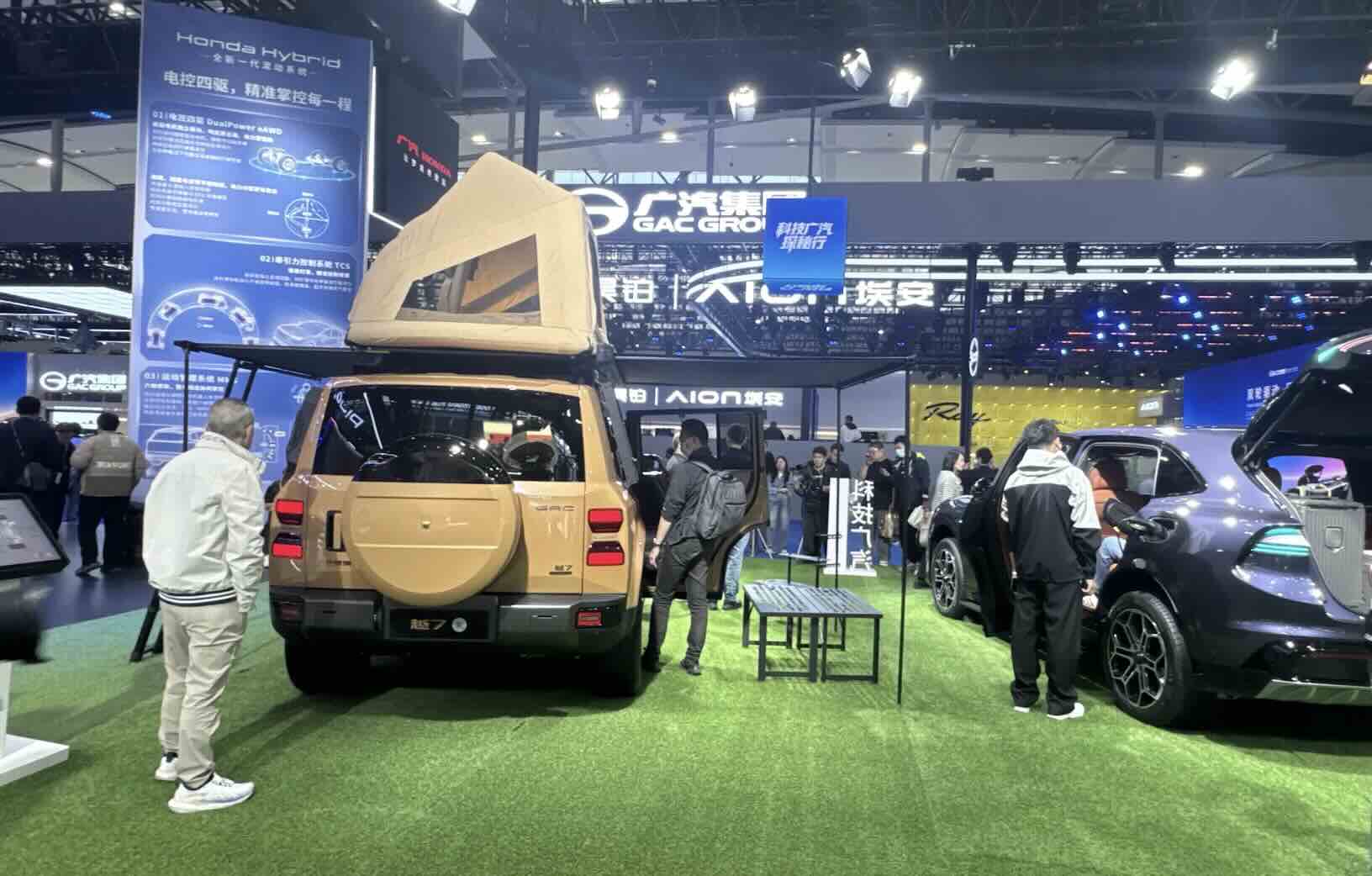
The Driven will write more about GAC’s ambitions in Australia next week when an embargo lifts. We are here in Guangzhou, a modern capital of about 19 million people as a GAC guest to attend the city’s annual auto show.
The exhibition, counting more than 700 ‘new energy vehicles’, mostly EVs or PHEVs, rivals the autoshows in Beijing and Shanghai. With China the world’s largest automaker and increasingly an auto export powerhouse, these events are watched – and braced for – by competitors everywhere.
In GAC’s case, four decades of partnerships with foreign carmakers, starting with France’s Peugeot, have driven a steady innovation path. Ongoing joint ventures with Honda and Toyota have provided the manufacturing quality knowhow that is being exported to markets abroad, taking sales from their Japanese partners.
Visiting GAC’s HQ and their automotive technology museum not far from the Shenzhen-Hong Kong border reveals few signs of that Honda and Toyota cooperation, save for a couple of models, tucked away from the main showroom and a couple of panels.
Source link