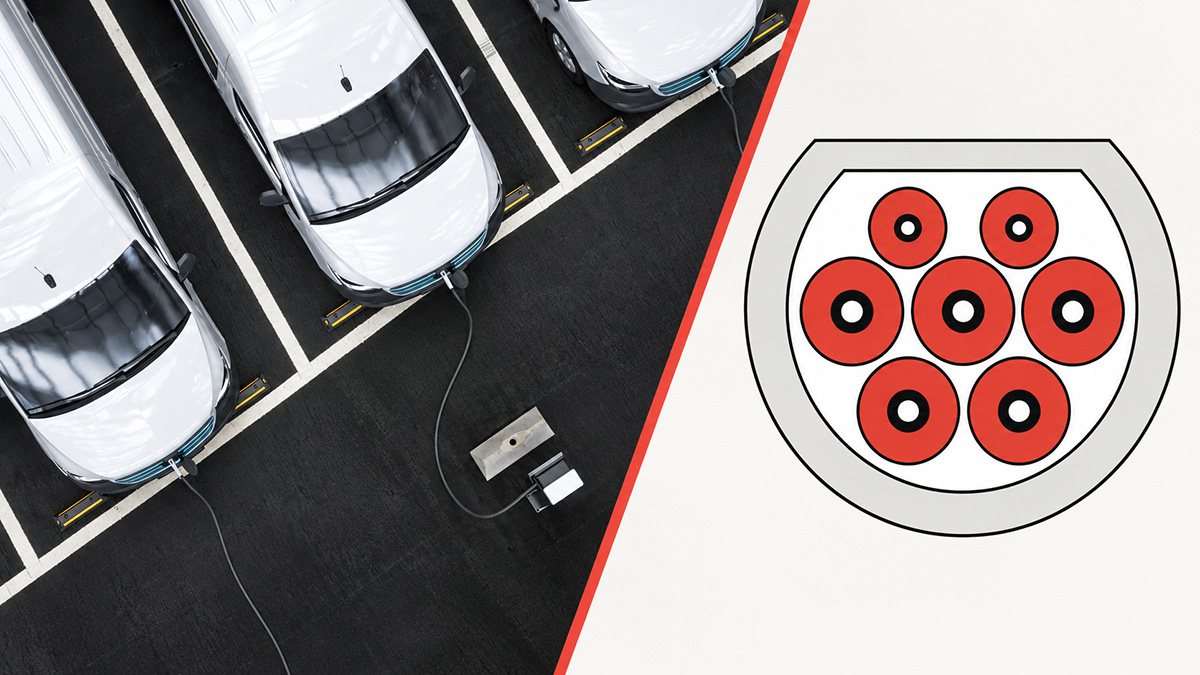
As the architectural foundation of every EV, high voltage cables are expected to deliver critical electrical performance while withstanding the harshest of environments. This protection is in no small part thanks to the inclusion of corrugated tubes – a flexible conduit that bears the brunt of shielding materials from abrasion, chemicals, moisture, and other demanding operating conditions.
However, with Original Equipment Manufacturers (OEMs) are pushing for lighter, more compact vehicle architectures to maximise driving range and improve overall vehicle efficiency, questions are arising as to whether corrugated tube has run its course as the focal point of EV cables.
Cables equipped with corrugated tubes can add anywhere from 20-60% to the cable assembly’s total weight depending on the application. Only compounding this is the fact that corrugated tubes trap heat around the cable, increasing its overall temperature and restricting heat dissipation, and eventually leading to higher power losses that accelerate cable ageing.
The evidence is clear: using corrugated cables reduces service life. Backed by the Arrhenius Rule, stating that a 10°C can approximately half insulation life, and it’s plain to see why OEMs are eager to move past this archaic approach to EV harnessing.
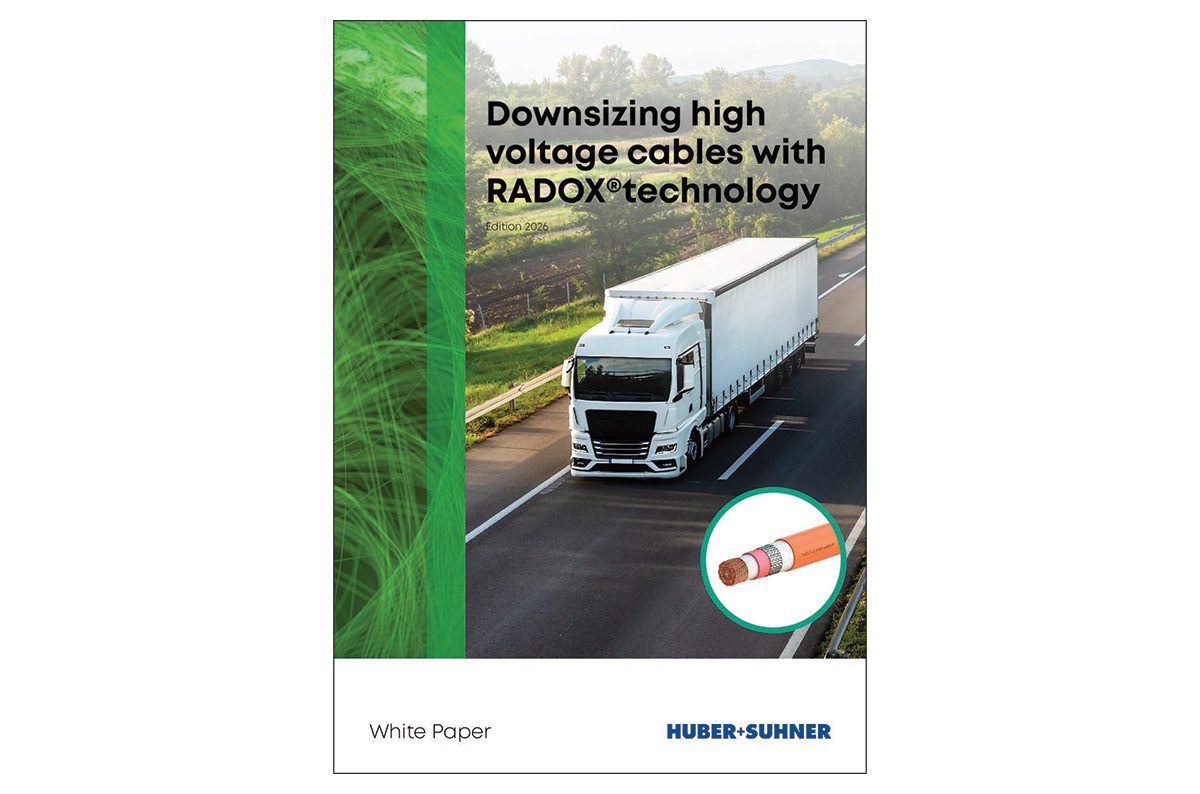
Thankfully, RADOX® technology from HUBER+SUHNER has enabled an alternative approach that combines high current-carrying capacity with significant weight and space savings. RADOX® high voltage cables use electron-beam cross-linked insulation and jacketing materials that support continuous operating temperatures of up to 150°C while providing excellent resistance to abrasion, fluids, and high temperatures.
This technology often allows cables to be routed in free air without the need for additional corrugated tubing, depending on the installation environment.
Source link