On paper, the new Chevy Bolt and Nissan Leaf were supposed to change the game for EV ownership in the U.S. In some ways they did, with the overhauled and affordable EVs delivering more range and fewer compromises than a sub-$30,000 electric model ever had. They also landed with a thud.
When General Motors unveiled the new Bolt last year, it said the car would only have a “limited run,” lasting partway into 2027. Last year, Nissan’s then-marketing chief warned that the Leaf’s rollout would be conservative, and the company has only moved 2,318 units in the U.S. this year so far. That’s fewer than the same period in 2025, before the new model went on sale.
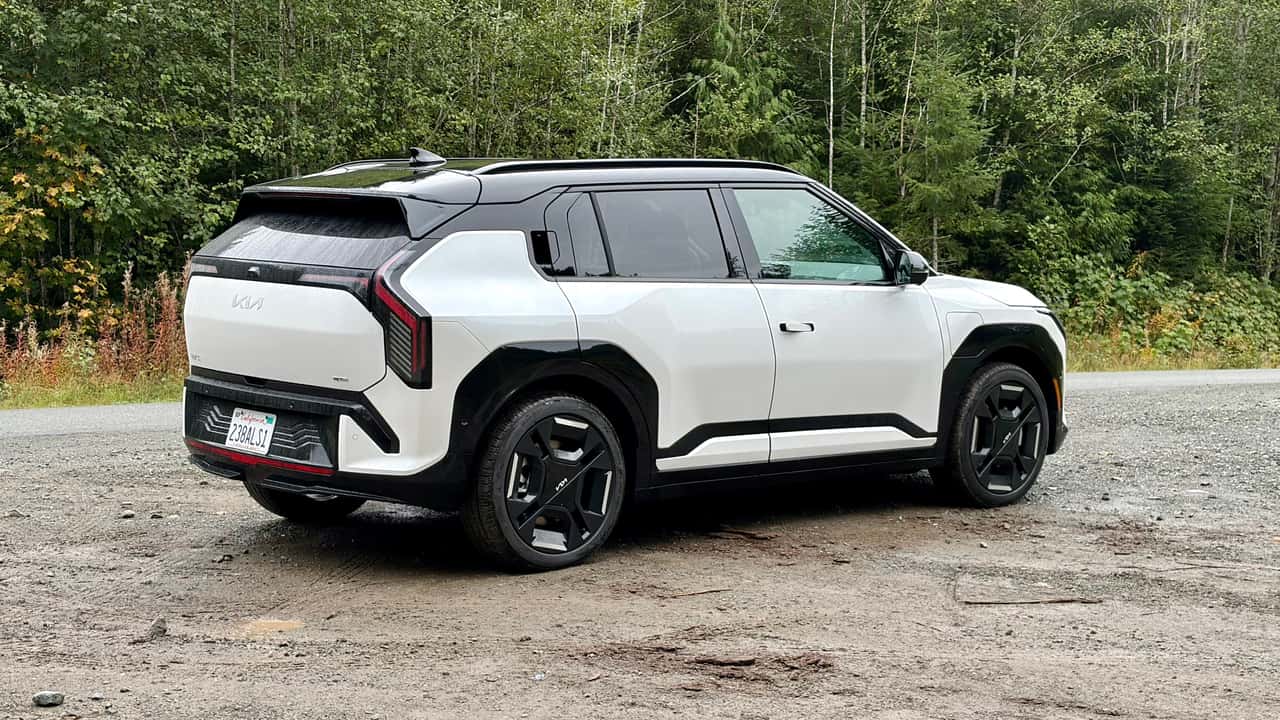
In an era without tax credits and strict fuel-economy rules, some carmakers clearly see far less potential in small, cheap EVs than they once did. Kia, though, seems more enthusiastic about the prospects of its own affordable electric offering that launched in August, the EV3.
The company expects the EV3 to be its most popular electric model in the U.S., Young Kim, the senior product planning manager responsible for the car, told me at the EV’s press drive last week. He didn’t specify when that might happen. The EV3 has already managed that feat in Europe, where it’s been on sale for a couple of years. The little car was the Hyundai Motor Group’s top electric seller in the region in the first half of 2026, with some 27,000 sales.
The EV3 launches into a much tougher market than greeted Kia’s other EV models, and a tougher one than Kia likely envisioned when it announced plans to bring the EV3 stateside in 2024.
Source link