India’s multi-energy transition to hinge on affordability, infrastructure and use cases: Industry leaders
Executives from Maruti Suzuki, Tata Motors, JSW MG Motor, Escorts Kubota, DICV say multiple powertrain technologies will coexist, with localisation, modular platforms and supplier collaboration key to managing costs.
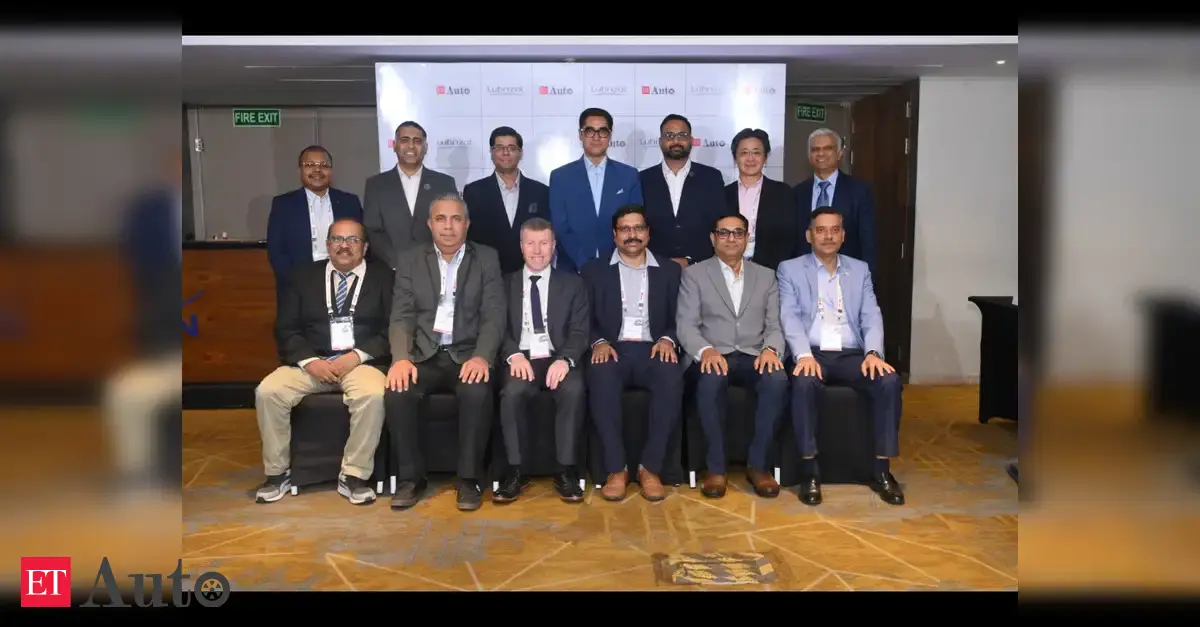
Industry leaders at the roundtable discussion titled ‘Navigating the Multi-Energy Future’ organised by ETAuto.
India's transition to cleaner mobility is unlikely to be driven by a single powertrain technology , with internal combustion engines (ICE), compressed natural gas (CNG), liquefied natural gas (LNG), hybrids, electric vehicles (EVs), flex-fuel systems and hydrogen expected to coexist across vehicle segments, industry executives said at a roundtable titled ‘Navigating the Multi-Energy Future’ organised by ETAuto. The session was chaired by Mayank Dhingra, Associate Editor, ETAuto and Mark Davies, VP Additives Technology, Lubrizol . Advt
The discussion brought together executives from passenger vehicle, two-wheeler, commercial vehicle, agricultural machinery and automotive technology companies. They said the choice of powertrain would depend on customer affordability, vehicle application, fuel and charging infrastructure, energy security and emissions requirements. The panellists also highlighted the need for modular vehicle architectures, component commonisation, greater localisation and early collaboration between original equipment manufacturers (OEMs) and suppliers to manage the cost and complexity of developing multiple technologies.
Manish Sharma, President – Agri Business, Escorts Kubota, said the country's geography and diverse customer requirements made it difficult for one powertrain to serve every application. “It's not the end of any particular powertrain, or ICE. Considering the country's topography and diverse customer requirements, each powertrain will need to coexist,” Sharma said.
Source link