Hydrogen fuel cell cars were supposed to be the next leap forward in the automotive world. They drive like electric cars, but you can refuel them with hydrogen and drive hundreds of miles without having to sit at a charger for half an hour, and best of all, there are no nasty emissions.
It sounds like the perfect solution for pretty much everybody. Yet, ask anyone if they know someone who’s driving a hydrogen car, and they’ll struggle to come up with an answer. Toyota tried (and is still trying) with the Mirai, and Hyundai is still trying with the new Nexo. BMW, General Motors, Honda, and others have also dipped their toes into the technology, with varying degrees of success.
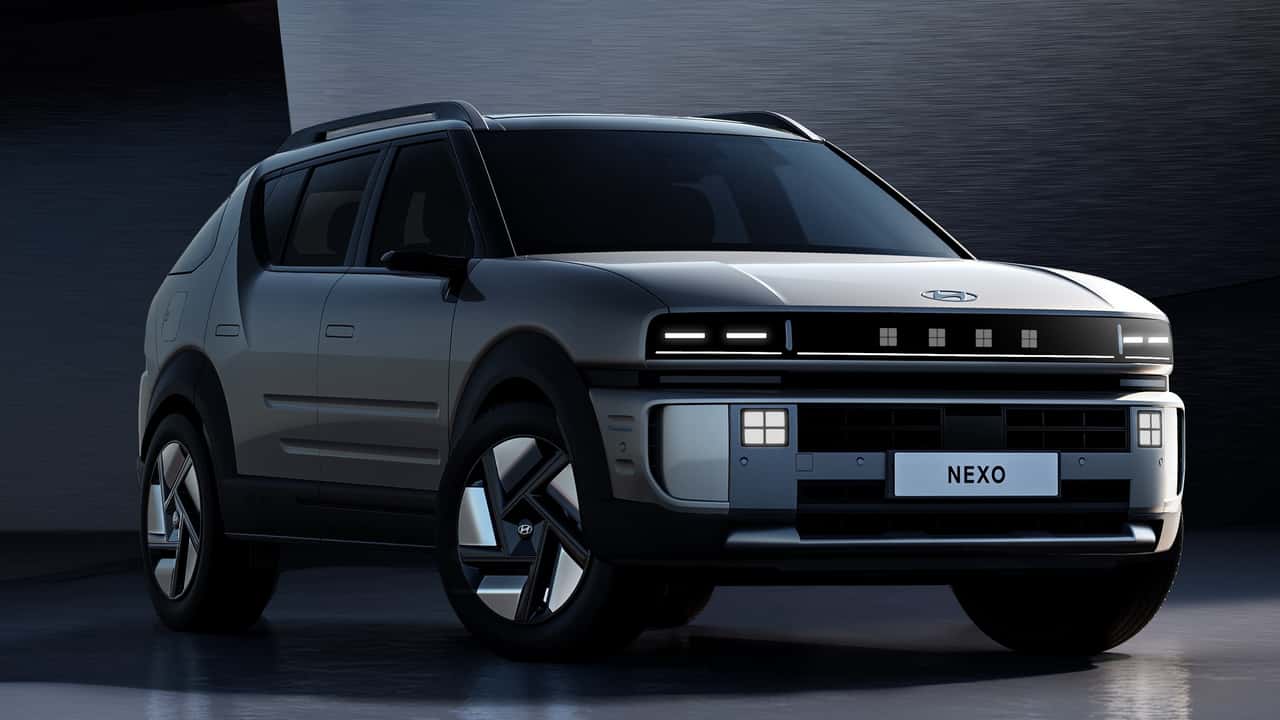
The second-generation Hyundai Nexo FCEV was unveiled in 2025, when it was touted as a global model.
But why aren’t we all driving FCEVs? For starters, there’s barely any hydrogen refueling infrastructure in place, and now a Hyundai executive has revealed that people don’t really want to buy a hydrogen car in the first place.
“The biggest thing is you’ve got to find customers, said Scott Nargar, Senior Manager of Future Mobility & Government Relations at Hyundai Australia, for CarExpert. Despite having problems finding buyers, the Hyundai representative insisted that hydrogen isn’t “dead for passenger vehicles.”
Besides having extremely limited access to refueling stations, hydrogen-powered cars are also more expensive than comparable gas and electric vehicles. That’s not exactly a good look, especially now when prices of new EVs are considerably lower than a decade ago, making them a perfect fit for those who are prepared to make the switch to electric.
Source link