
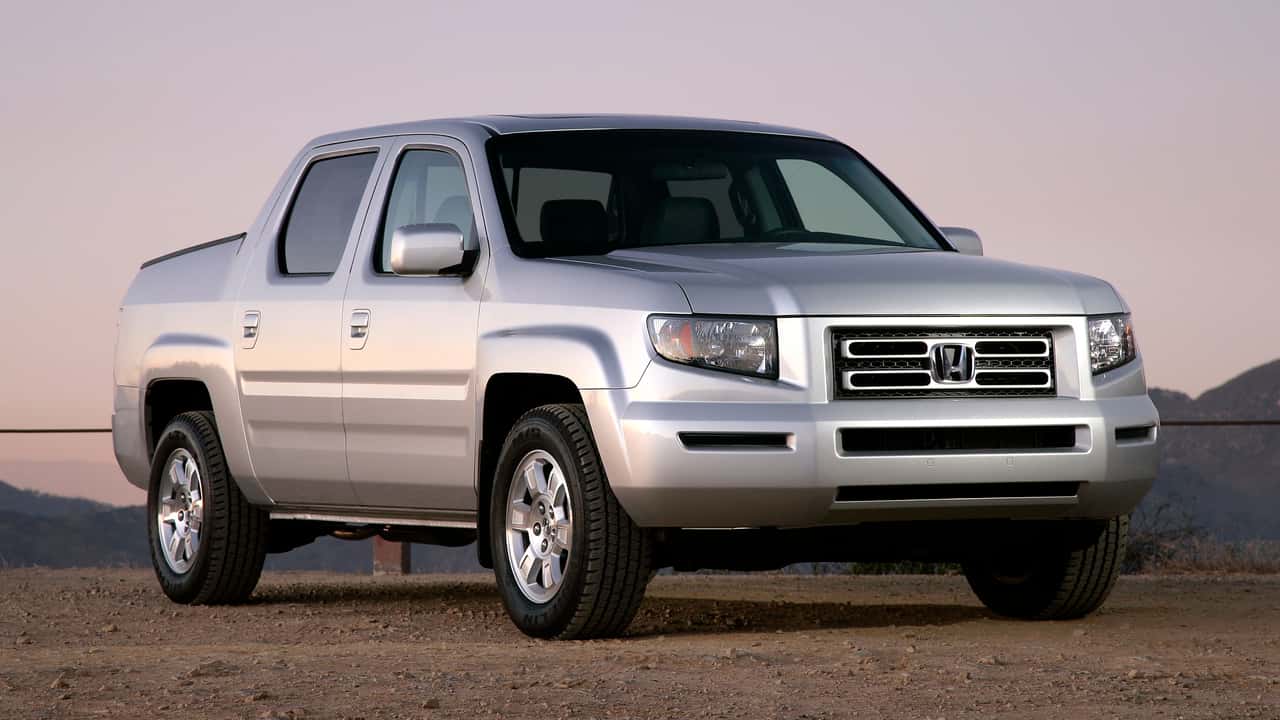
In the early 2000s, Don Herner was sketching truck concepts on his own time inside Honda's studio. The retired exterior design lead recalls the project that became the Honda Ridgeline starting as a side effort rather than a formal assignment, and its unusual construction traces back to that freedom
Herner says that same origin story helps explain why the Ridgeline has spent two decades fielding "fake truck" jokes from owners of body-on-frame rivals. The unibody pickup launched for the 2006 model year, and his account makes clear Honda set out to build something different on purpose. Herner said:
'I do not want to call it a truck because it was not really designed to be a truck, but everybody thinks it is,'
As first reported by Road & Track, he and his colleagues worked on the Ridgeline and the RDX during an unplanned sketch phase, with no executive brief pushing either project forward.
Honda's internal name for the project shows where its priorities sat. The company called it the "Advanced Capabilities Vehicle," not a pickup. Herner described the goal plainly. "The target for this was, SUV interior size," he said.
'Our competitors at the time were the Tacoma and a Ford truck. This has a lot more interior space, a lot more legroom, and a lot more couple distance than the Tacoma did at the time.'
That priority shaped the project as it neared production. Honda executives reportedly examined the interior packaging before finalizing the exterior sheet metal, a sequence closer to how the brand builds a crossover than how it builds a truck.
Source link


