Amid dwindling EV demand, GM is closing its Brownstown Battery Assembly plant and repurposing another plant that was meant for hydrogen fuel cell development.
Until relatively recently, GM was investing heavily in EV development, releasing several electric models and even pledging to become carbon-neutral by 2040. But Americans simply aren’t buying into the EV hype, and the loss of the federal EV tax credit has soured the deal quite a bit for shoppers who may have been on the fence. As a result, several automakers have had to reverse course after investing large amounts of money into alternative fuel development and losing even more when the demand never quite took off.
GM appears to be the latest automaker to pull the plug on a big part of its alternative fuels operations. The company will close its Brownstown Battery Assembly plant, a leased 480,000-square-foot facility, and repurpose another plant that was initially meant for hydrogen fuel cell development, according to an Automotive News report.
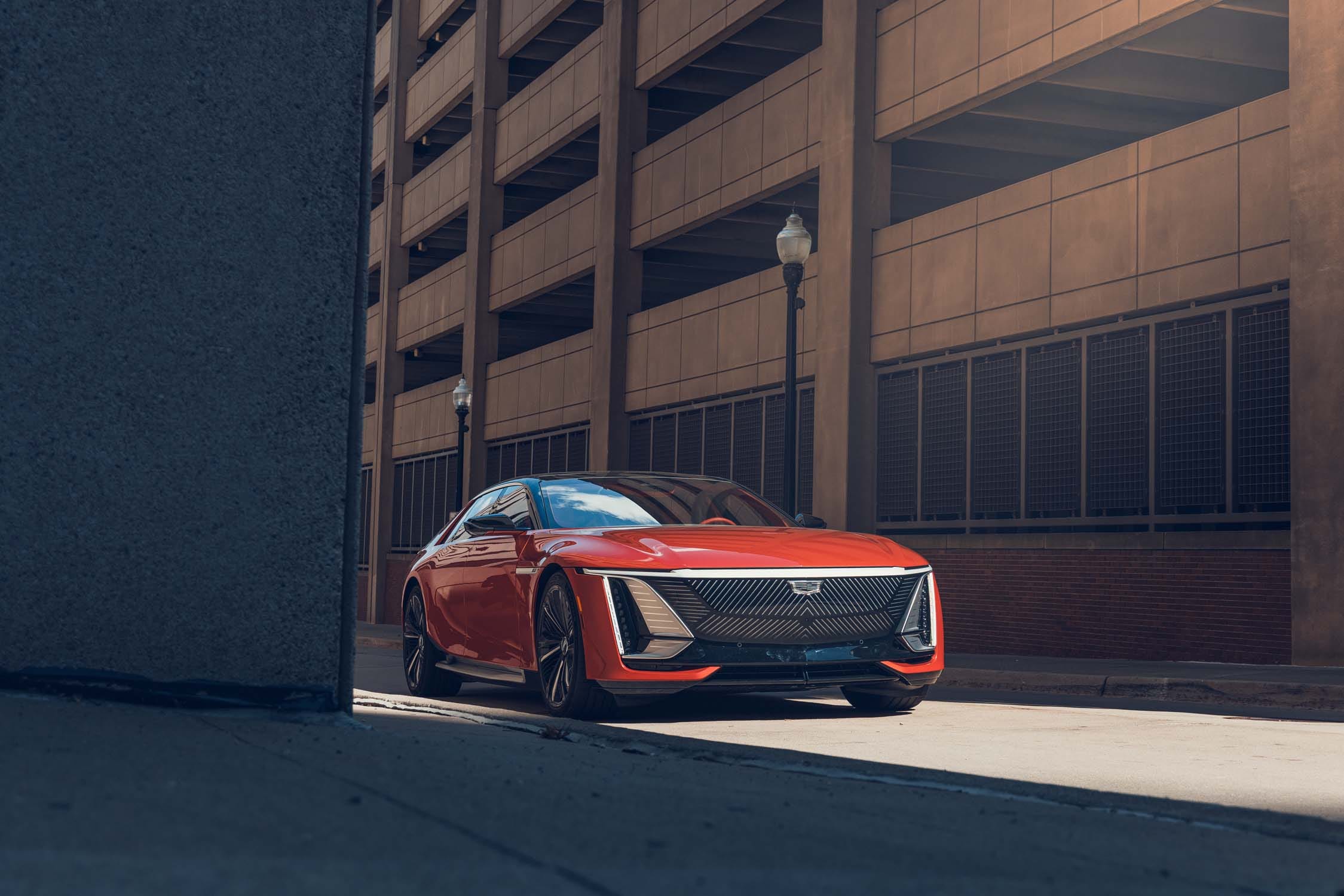
The Brownstown plant builds batteries and electric drive units for the Corvette E-Ray and batteries for the Cadillac Celestiq. While the luxe Celestiq EV remains in production for 2027, the E-Ray has been discontinued in the new model year, effectively replaced by the Corvette Grand Sport X.
In addition to building EV components, about 80,000 square feet of the Brownstown plant was reportedly used for hydrogen energy development. In 2017, GM entered a joint venture with Honda to produce a hydrogen fuel cell system. The plant served as the partnership’s headquarters for several years until the joint venture was disbanded last year.
Source link