US EV registrations dropped in July as the market entered its first full month without new federal purchase credits. Battery-electric models lost share, Tesla held roughly flat, and Toyota kept gaining ground on the strength of its hybrid lineup.
The split tells the real story. Some automakers are getting hit by the post-credit slowdown, others are riding hybrid demand, and Ford confirmed back in December 2025 that it is turning the F-150 Lightning into an extended-range EV instead of keeping it fully electric.
The federal clean-vehicle credit framework no longer covers vehicles acquired after September 30, 2025. That cutoff removed a key price offset for many EV buyers.
According to Automotive News, analysts note that shoppers who wanted the credit moved some purchases ahead of the deadline, leaving later months looking softer by comparison. Industry coverage has linked the EV slowdown to that credit cliff, along with higher interest rates and a product mix that leans on larger, more expensive battery-electric models.
Not every EV seller has taken the same hit. Tesla’s registrations are close to flat while several EV-heavy lineups have posted much steeper year-over-year declines.
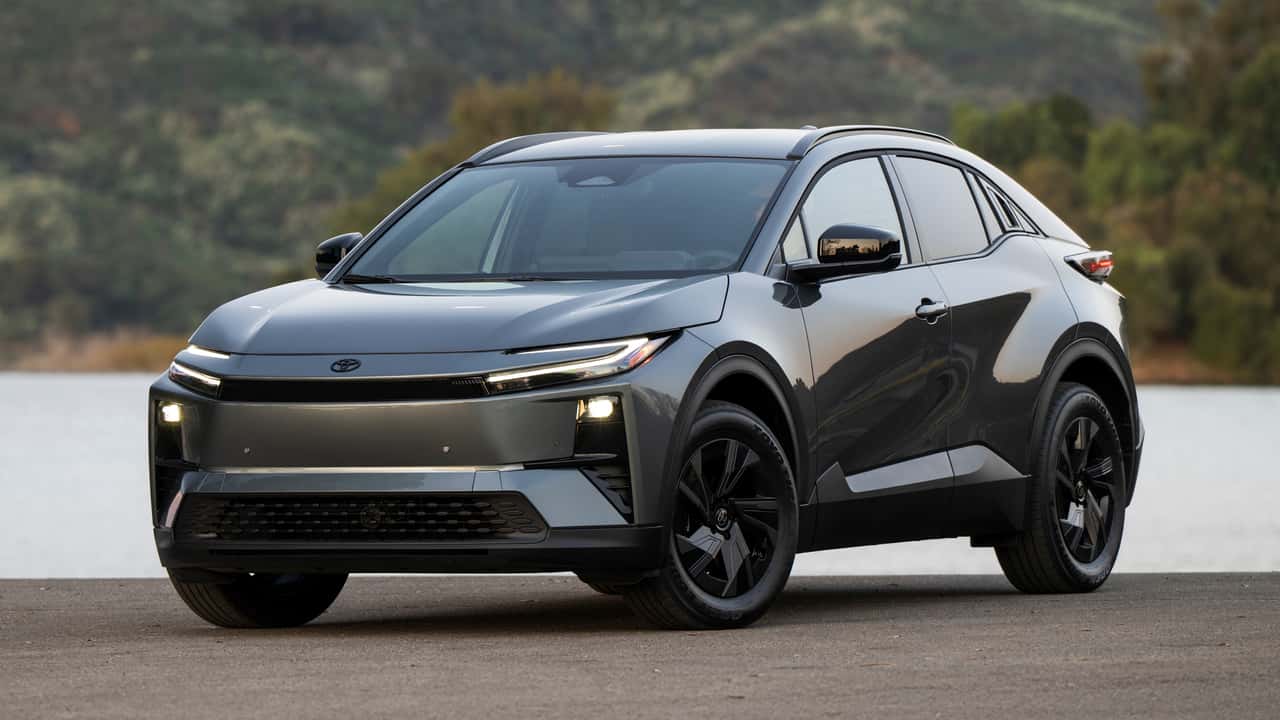
Toyota moved in the other direction entirely. Its hybrid-heavy range, led in the US by models like the RAV4 Hybrid, Corolla Hybrid, Prius and Camry Hybrid, has kept gaining buyers while several EV-focused rivals lost ground.
Recent government data show hybrid share of new light-duty vehicle sales climbing into the low-to-mid teens as a percentage of the market, while battery-electric share has edged down compared with 2025.
Source link