
After China rejected voluntary export restrictions on hybrid cars to the EU, the European Commission is now preparing import restrictions for such vehicles via a safeguard procedure. However, this could also just be a pressure tactic to negotiate a deal, as both parties have entered talks in Beijing regarding the matter.
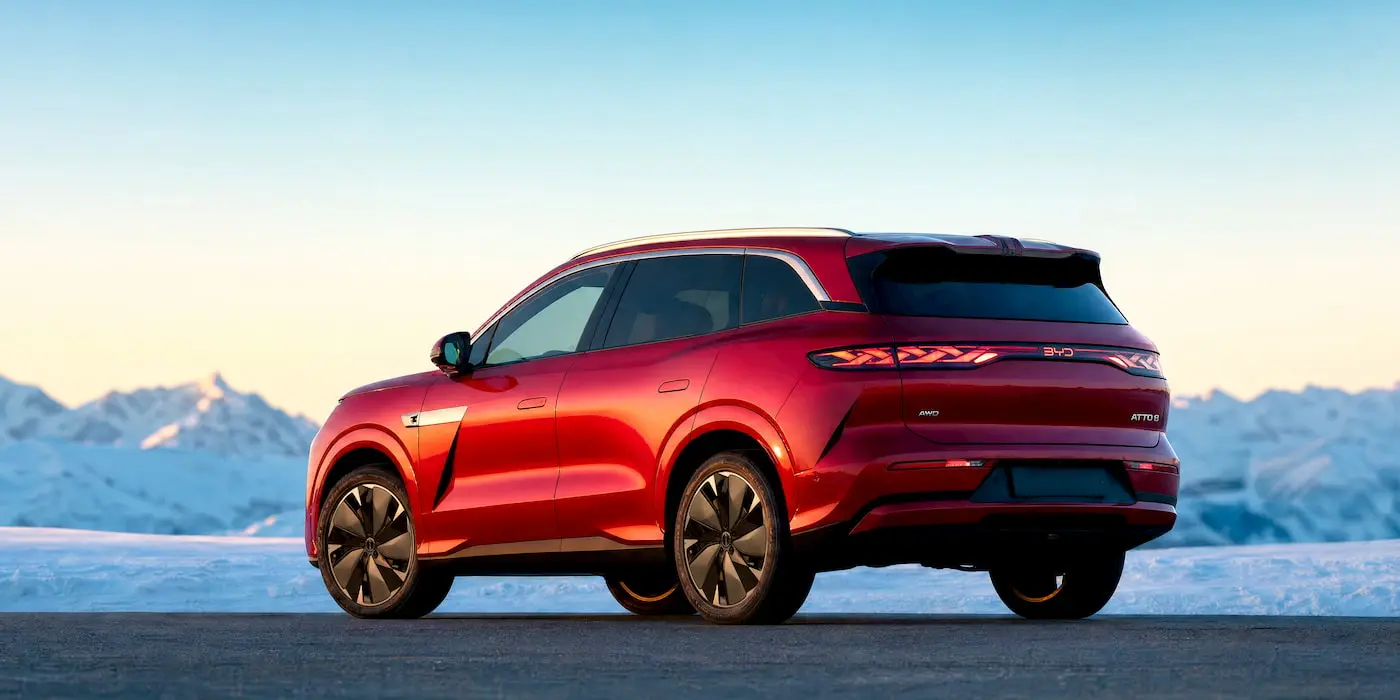
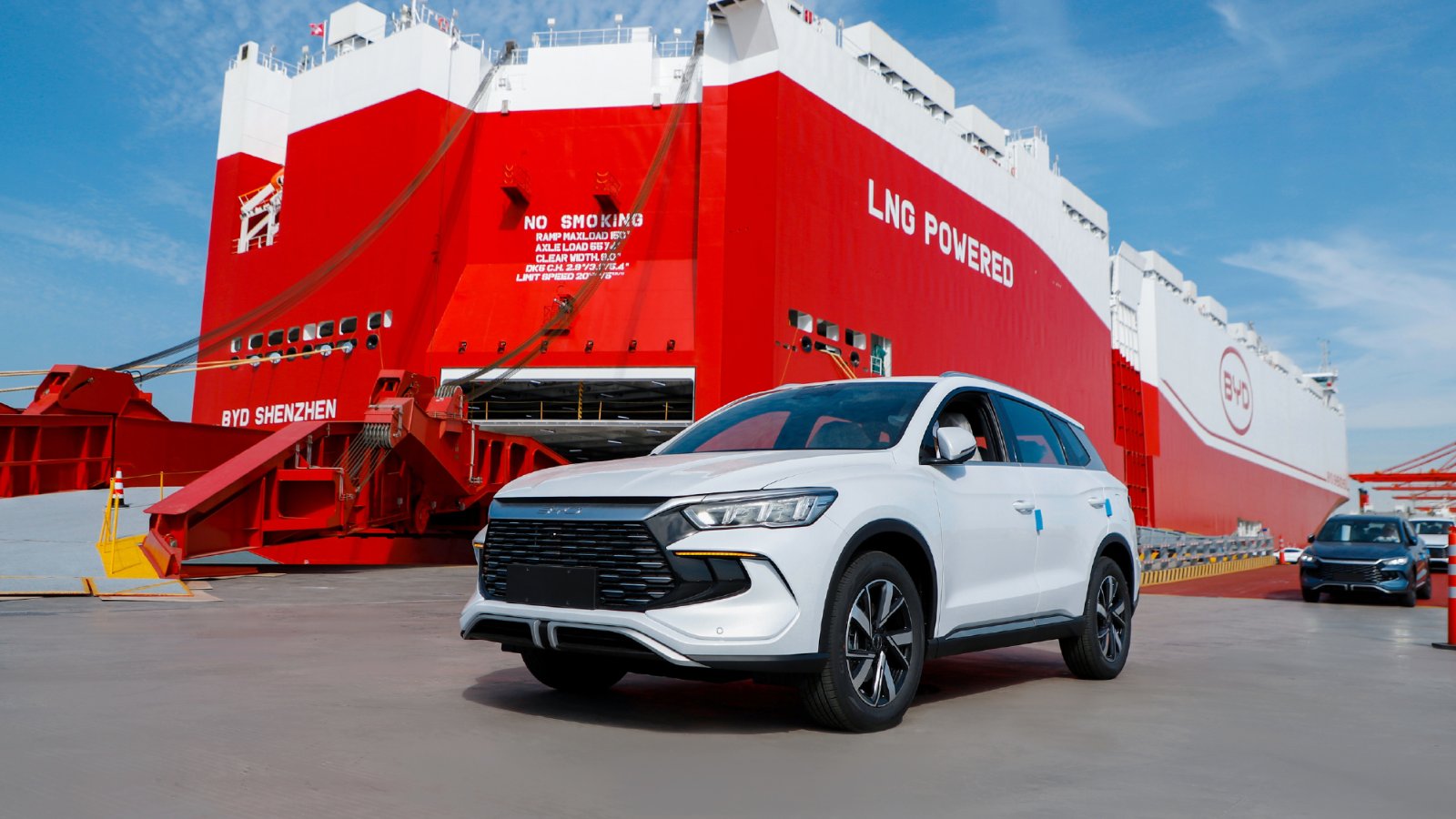
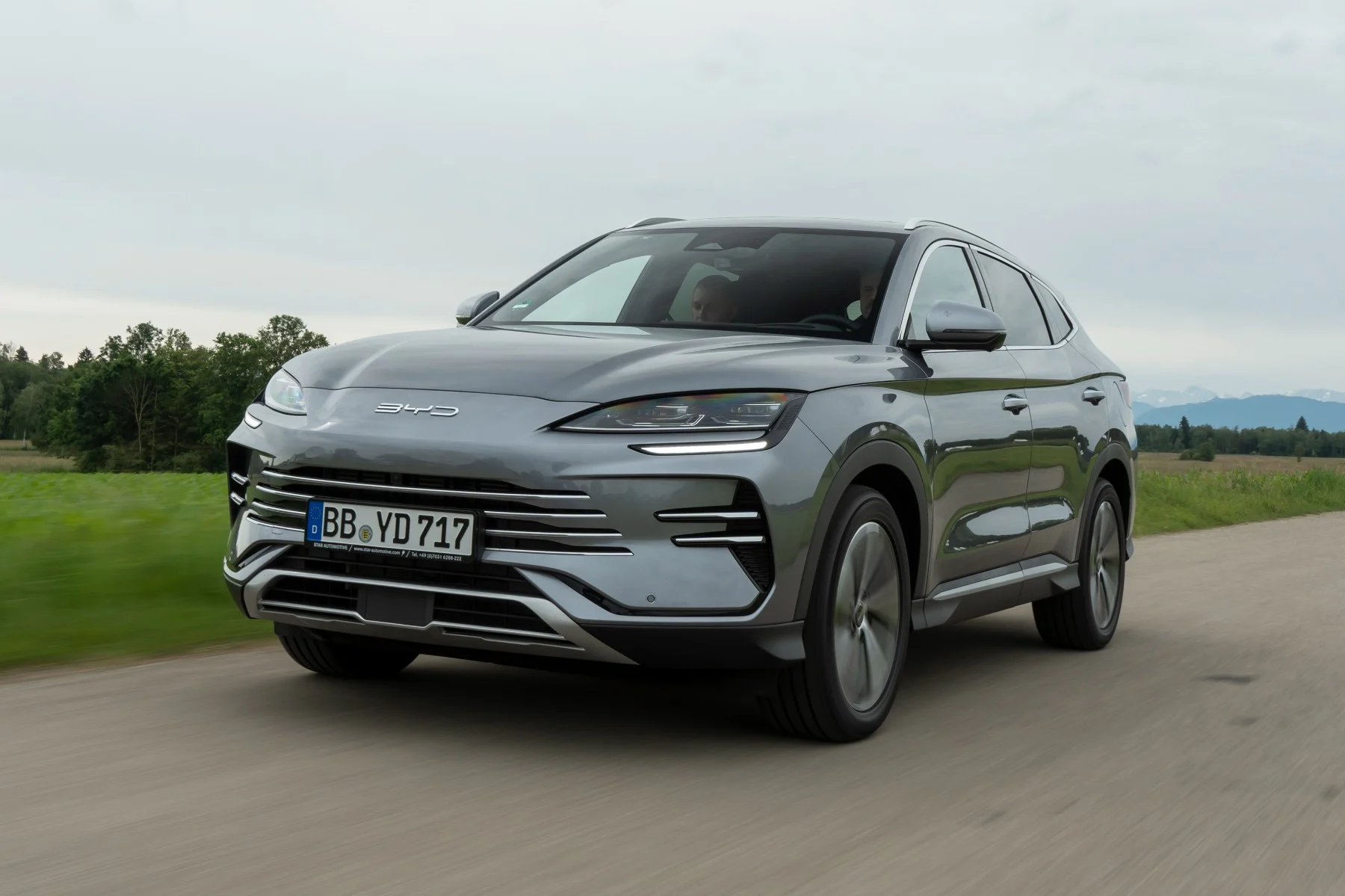
After the EU imposed special tariffs on electric cars from China of up to 35.3 per cent (depending on the manufacturer) two years ago, a similar measure for hybrid vehicles now also looks increasingly likely. Since summer 2025, it has become evident that, as a result of the punitive tariffs, particularly active Chinese brands in Europe, such as BYD and MG Motor, are increasingly focusing on hybrids. These are subject only to the regular car tariff of 10 per cent. While BYD is exclusively focusing on plug-in hybrids (PHEVs), such as the bestselling BYD Seal U DM-i – which alone has achieved 11,291 new registrations in Germany since the beginning of the year (January to September) – MG Motor also has successful full hybrids in its portfolio.
In other words: although the special tariff curbs the import of locally emission-free BEVs, it does not apply to hybrid vehicles – which combine combustion and electric motors and thus also emit CO2 locally. This is also detrimental to the EU’s climate goals.
For this reason: according to media reports, the European Union called on China several weeks ago to voluntarily restrict its exports of hybrid vehicles to Europe – but China refused .
Source link