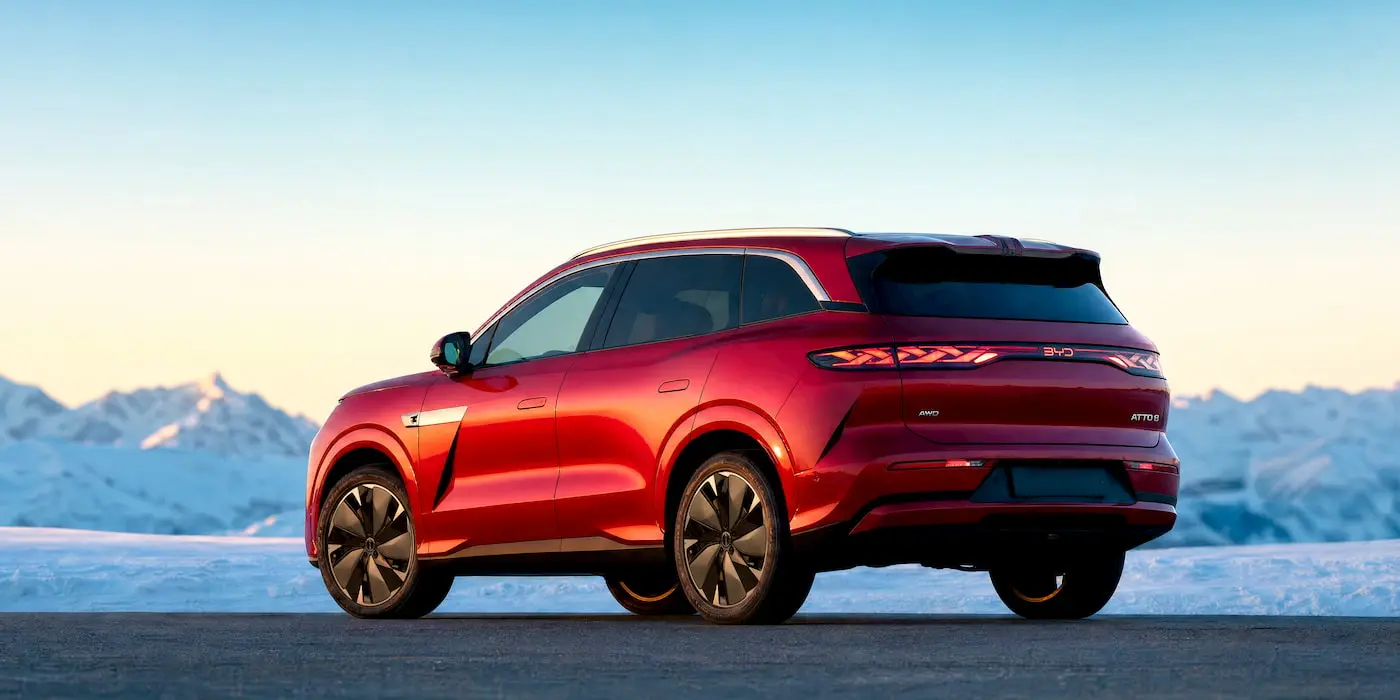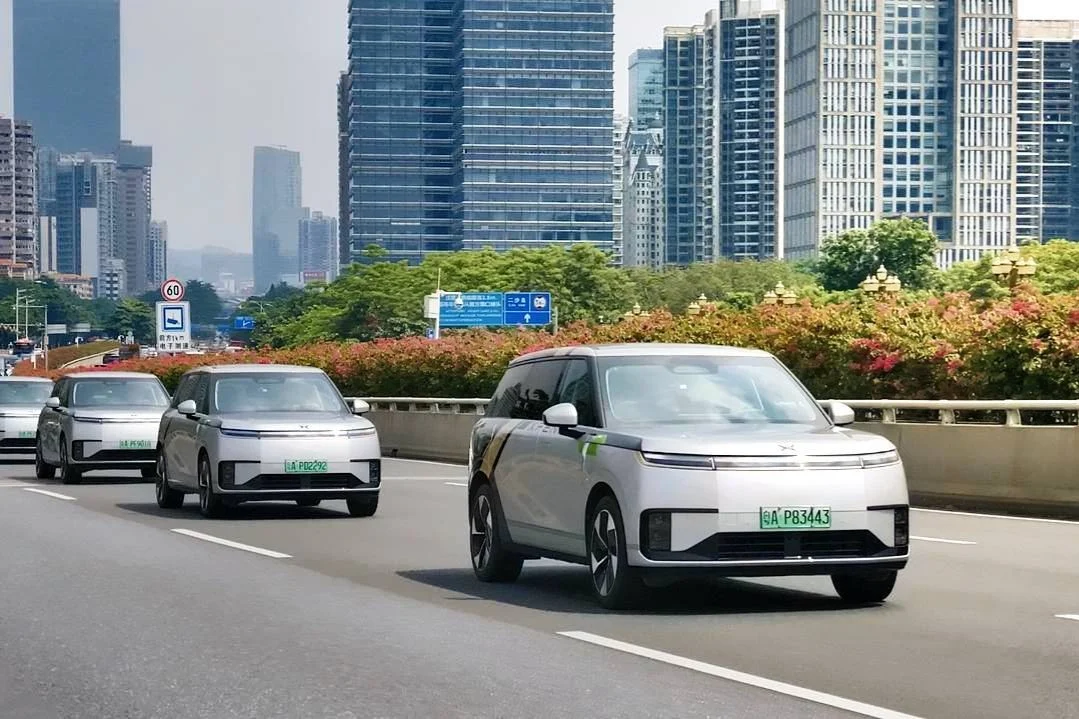
China will lower the export value-added tax (VAT) rebate rate for new energy vehicles (NEVs) from 13% to 9% starting April 1, 2027, scaling back tax support as exports become a key driver of industry growth.
The Ministry of Finance and the State Taxation Administration announced the change on Monday. The 4-percentage-point reduction could put pressure on Chinese automakers' overseas profits.
The applicable rebate rate will be determined by the export date said on the customs declaration. Existing export consumption tax rebate and exemption policies will remain unchanged for affected products subject to that tax.
The adjustment covers battery electric and plug-in hybrid passenger vehicles, as well as electric buses and electric truck tractors.
The policy comes as Chinese automakers rely on overseas growth to offset declining domestic sales. Lower rebates will add fresh pressure on profitability in that business.
China's NEV exports rose 130% year-on-year to 4.006 million vehicles in the first 9 months of this year, according to data released earlier today by the China Association of Automobile Manufacturers (CAAM).
September NEV exports jumped 160% year-on-year to 571,000 vehicles, while domestic sales fell 9.4% to 1.252 million. The figures cover both passenger and commercial vehicles.
Export tax rebates refund certain taxes paid during domestic production and distribution. A lower rebate rate means companies receive smaller refunds, all else being equal.
Deutsche Bank estimated in a research note released today that the adjustment will reduce net profit at BYD (HKEX: 1211) by about 5,000 yuan ($743) per exported vehicle, with the impact starting in the second quarter of 2027.
Source link