Many cars sold today will brake before you’ve even spotted the kid chasing a ball into the street. Some nudge the wheel when you drift, others beep about a cyclist you never saw coming. Handy stuff, honestly. Then a crash happens anyway, and everyone starts pointing fingers at the driver, at the car, at whoever wrote the software.
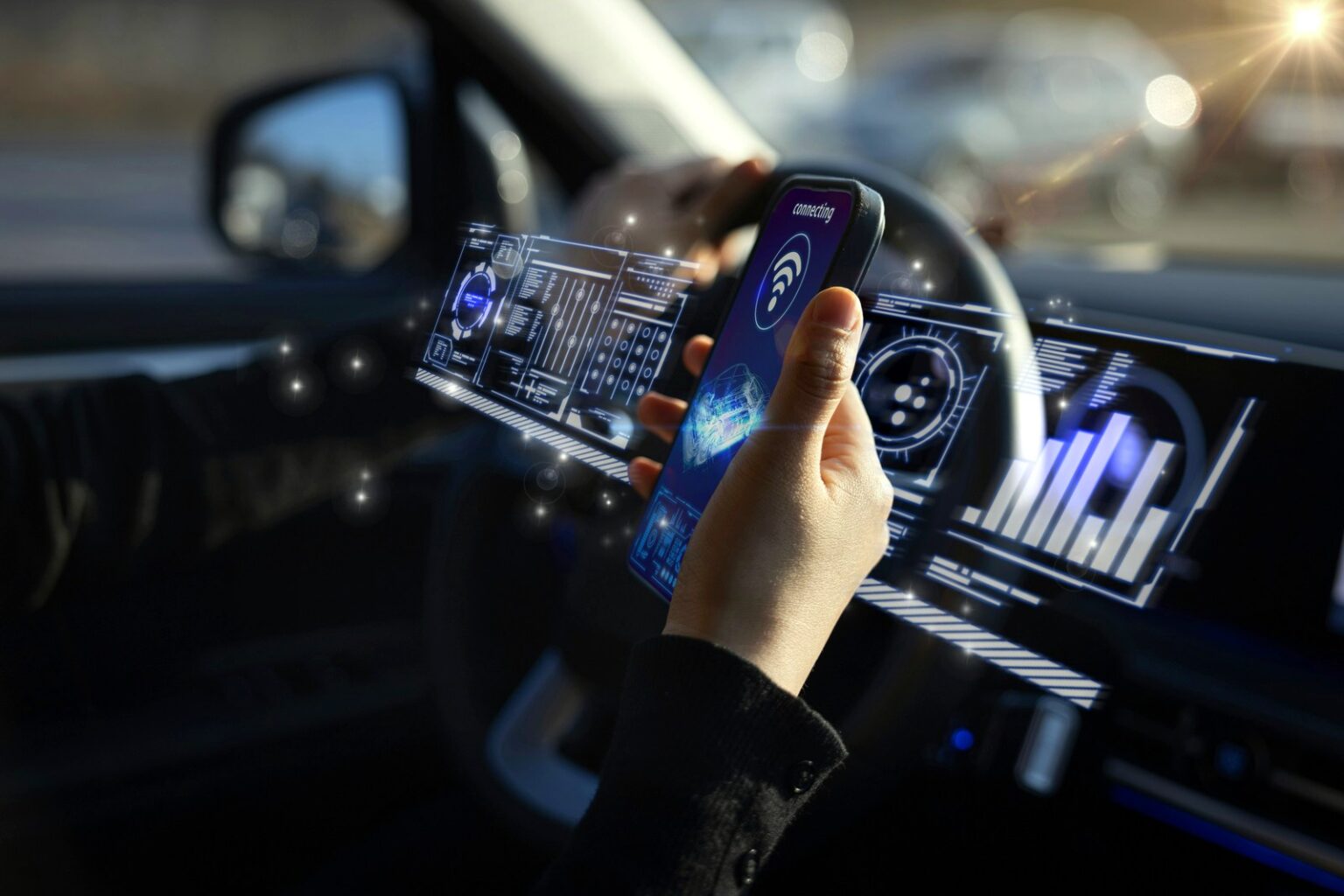
Most rear-end crashes start with a phone. Eyes down for two seconds, the car ahead stops, and the driver hits the brake too late. The radar behind the grille doesn’t glance at anything. It’s watching the whole time, and that’s pretty much the entire pitch.
By September 2029 NHTSA wants AEB in pretty much every new passenger car and light truck sold here. Automakers are still contesting parts of it in court. Either way, a feature that cuts rear-end crashes roughly in half probably shouldn’t be locked behind a pricey trim upgrade. Makes sense, right?
Here is the thing, though. Somewhere around page 300, the owner’s manual says it plainly. You’re still the driver, whatever the dashboard says. Ever driven straight into a low sun after a muddy weekend at Big Bear? The camera can’t see much either, and faded lane paint throws it off just as badly. Meanwhile, the driver who got used to the car handling everything picks a playlist.
And when something goes wrong, who gets blamed? Was the driver scrolling? Did a sensor quit? Remember Tesla’s recall in December 2023 of about two million cars over Autopilot’s driver monitoring?
Source link