The biggest difference between camping with an electric vehicle (EV) and a gas-powered car isn’t how much camping gear you can fit in the trunk. It’s how you plan for the vehicle’s energy needs throughout the trip.
Gas-powered cars benefit from a well-established, flexible refueling network. EV camping requires a bit more planning: where to charge along the way, how much range to expect with a fully loaded vehicle and whether you’ll use the vehicle’s battery to power equipment at the campsite.
That doesn’t make EVs less suitable for camping. It simply means thinking through a few extra details before heading out for the weekend.
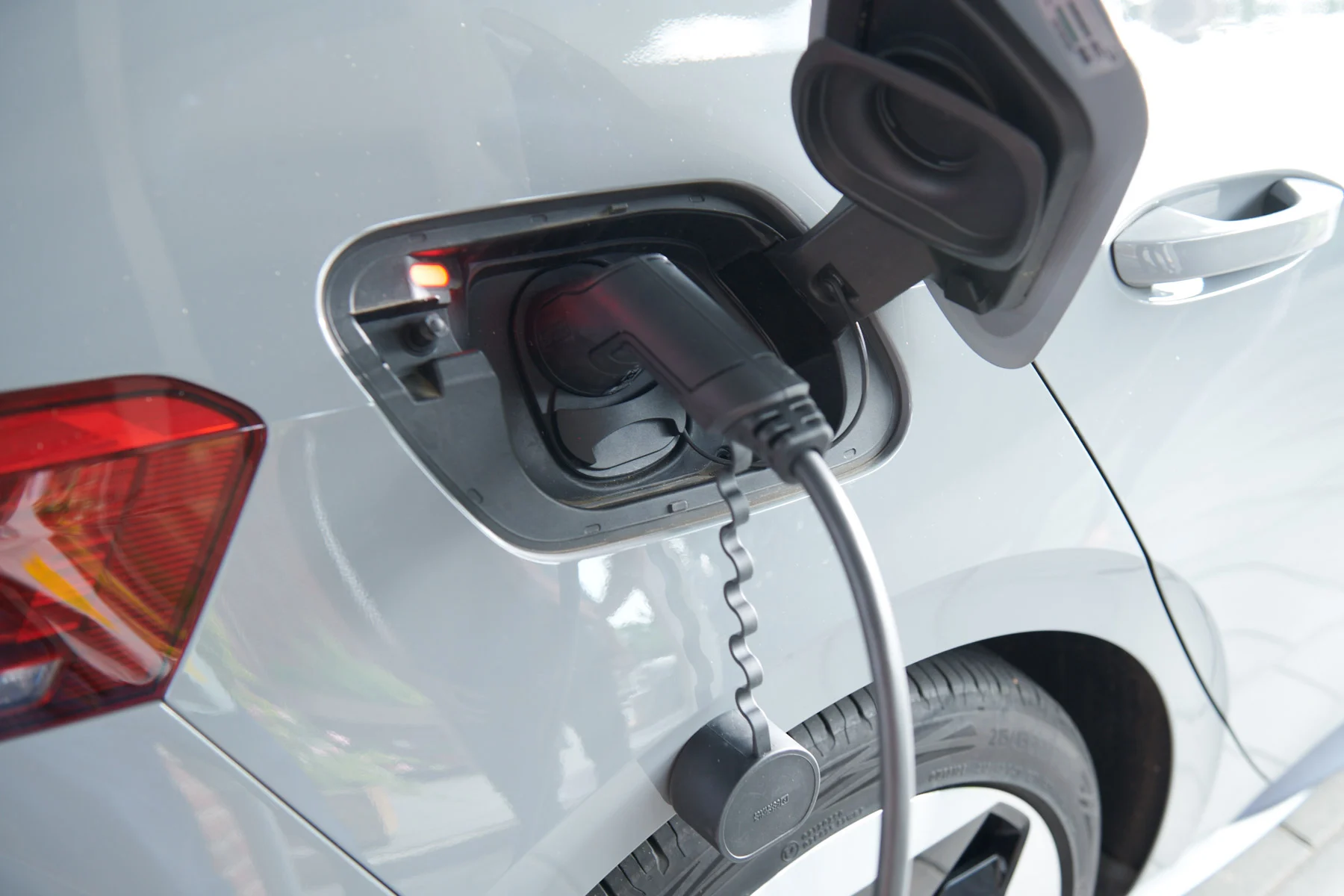
When driving a gas-powered car to a remote campground, you can usually find gas stations along the way. With an EV, you’ll need to check charging station locations, connector compatibility, charging speeds and real-time availability.
Even if your destination is just over 100 miles away, the vehicle’s advertised range alone won’t tell you whether you can make the round trip. Highway speeds, cold weather, elevation changes and vehicle load can all affect real-world energy consumption.
This matters particularly when heading into the mountains. A long uphill drive may use more energy on the way there, while consumption on the return trip may be quite different.
When mapping out your route, identify three key locations: the last reliable charging station before your destination, the campground itself, and a place to recharge on the way home.
If charging options are limited near the campground, leave enough battery capacity for unexpected detours or an out-of-service charger rather than cutting your return range too close.
Source link