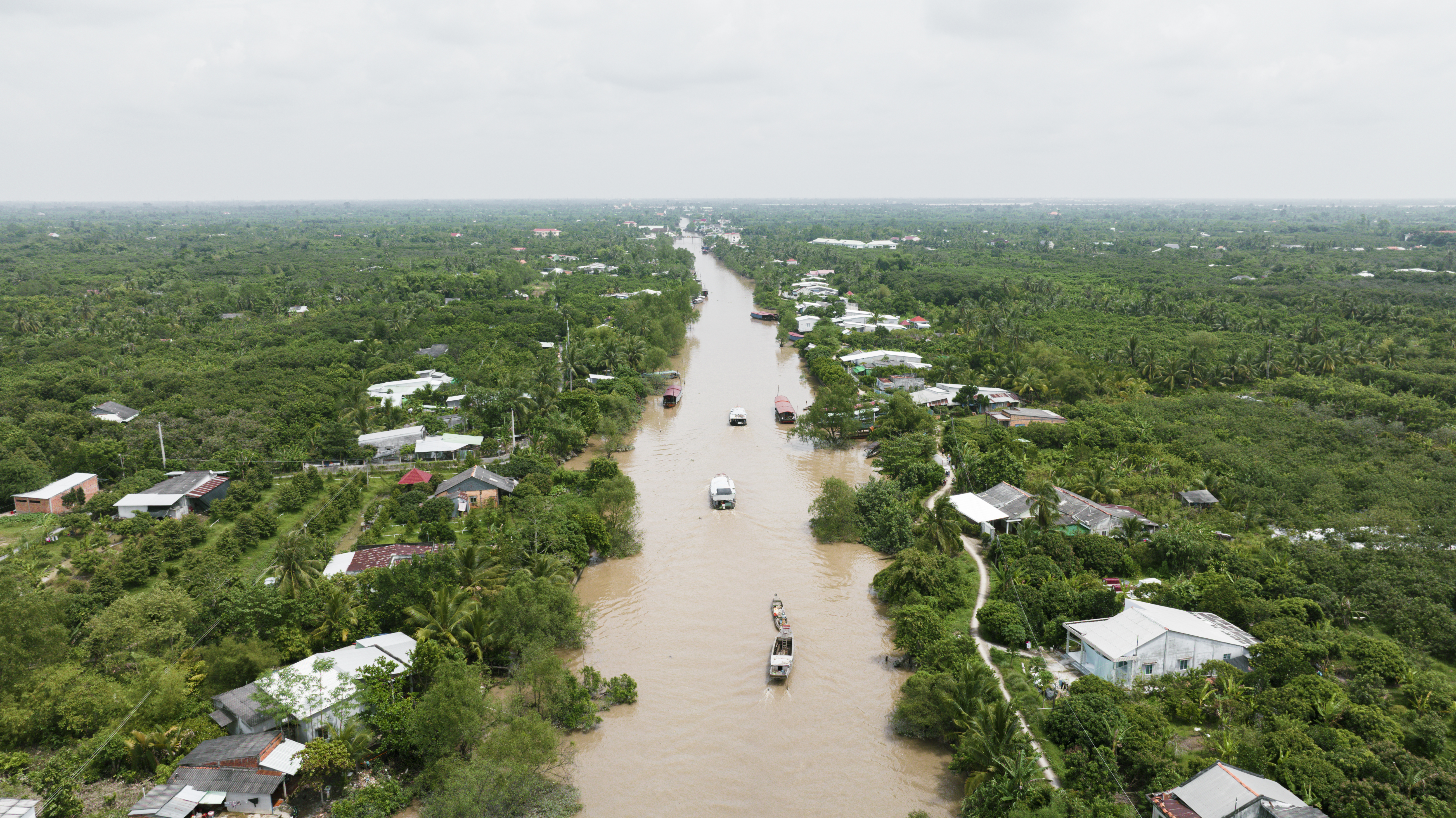
Water is a critical input for the textile industry, from cotton fields to garment finishing. But this valuable resource is under threat.
Since 2000, global water use has grown 25 percent, according to the World Wildlife Fund (WWF). And each year, 324 billion cubic meters of freshwater are lost due to a combination of droughts and practices like deforestation and wetland deterioration, a volume that the World Bank says is equivalent to the annual needs of 280 million people. Adding to the impact, this is affecting areas that are already facing water shortages. Water is also impacted by climate change, as extreme weather causes both droughts and floods, causing loss of life and impacting livelihoods in fields including cotton agriculture. Ecosystems like wetlands, rivers and lakes play an important role in protecting biodiversity and protecting communities from disasters like floods, making conservation powerful for both nature and people.
Related Stories

Case Study Outlines Keys to Scaling Organic Cotton Production in Pakistan
Amazon Backs California Watershed Restoration
Although the textile industry is a significant consumer of water, the sector can also become part of the solution by participating in initiatives to conserve water and restore water-based ecosystems. WWF’s newly released “Drop by Drop” report recounts five national WWF organizations’ water conservation projects centered around river basins in partnership with textile value chain clusters. Because of the wide effects of water availability or scarcity, WWF is taking a supply chain-wide approach to conservation.
“Water doesn’t follow the boundaries of individual farms, factories or political jurisdictions.
Source link