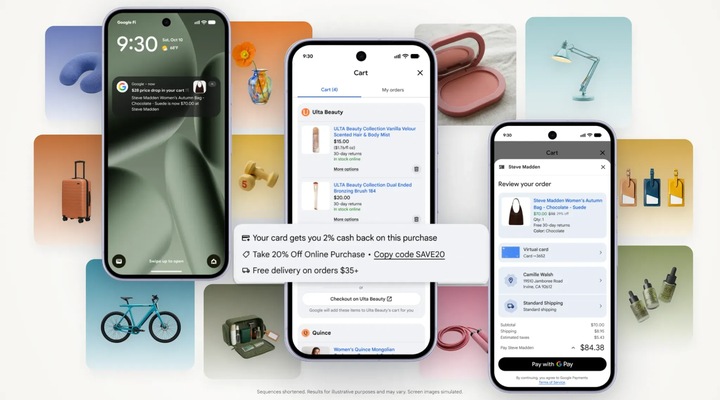
The pitch for agentic AI is beautiful. Who wouldn’t want an assistant that finds a gap in your calendar, books the flights you need, pays for them and then quietly moves the dinner you’d forgotten all about? I want it. I really do, at least until I ask what information it needs to do all that.
It needs your bank accounts, your cloud files and every password you’ve ever saved. It also needs access to the calendars of your peers and contacts, people who never agreed to any of this or were even asked. And it needs your camera roll too. If you’re anything like me, that holds a photo of Tuesday’s whiteboard session sitting between last night’s dinner and a picture of your kids.
Whenever privacy comes up, someone always says they’ve got nothing to hide. But I’ve never thought that was the point. Privacy has very little to do with hiding. It’s the right to choose who sees which version of you, and when. You’re a different person in a company meeting than you are waiting at the school gate for pick-ups. That’s completely normal and human. Article 12 of the Universal Declaration of Human Rights enshrines that right, and it has nothing to do with whether you’ve done anything wrong.
Australians seem to sense where this is heading. Ping Identity’s 2026 consumer survey found that only 18 per cent of Australians are open to letting AI make decisions on its own, compared with 70 per cent in India.
Source link